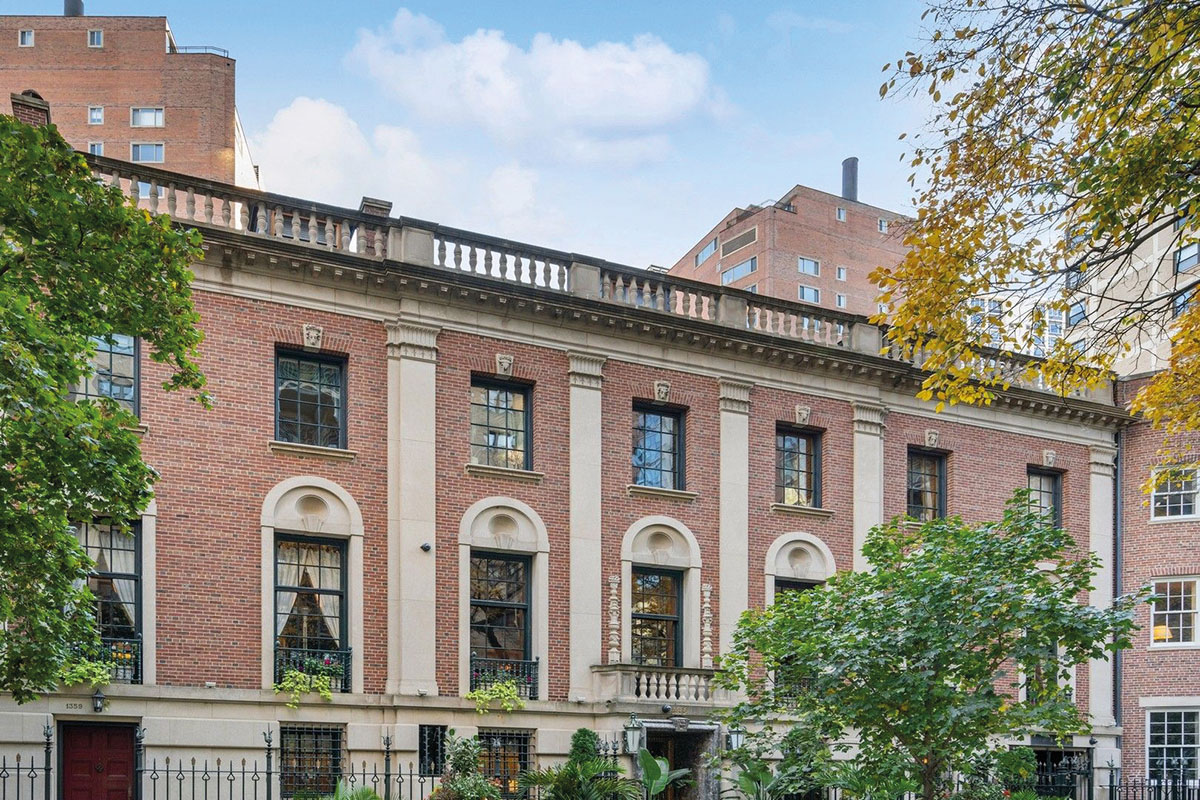
Founded by Mirka Serrato with curation by art dealer Jonny Tanna, the fair presents a carefully selected roster of galleries, shaping contemporary conceptual discourse across multiple locations. In this conversation, Mirka Serrato shares the ideas and intentions behind it and reflects on its role as a platform for community and connection.
Why did Chicago feel like the right place to stage the fair, and how does the setting shape its identity?
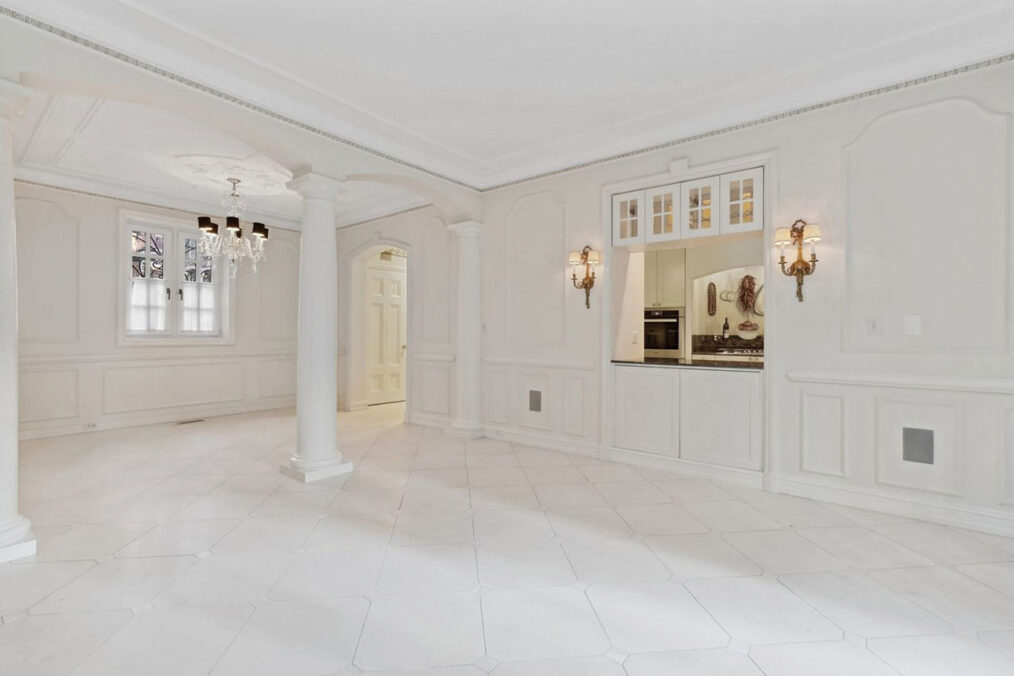
Chicago offered both grounding and tension. It is a city shaped by architecture, patronage, and cycles of cultural reinvention, yet it often operates outside the dominant narratives of the global art circuit. That distance creates space to build something precise. The fair is situated within a historic Gold Coast residence, and that decision defines its identity. The space carries memory. It has held lives, conversations, and a form of private cultural exchange that predates contemporary fair structures. By placing galleries within this context, the work is repositioned. It is no longer competing within spectacle, but entering into relation with architecture, time, and proximity. Chicago allows this to hold. The city’s scale, its seriousness, and its audiences create the conditions for attention. Neighbors Art Fair does not arrive as an interruption, but as a continuation of a longer cultural lineage that the city already understands.
You’ve introduced an ‘invite’ concept — how does that change the way participants and audiences engage with the fair?
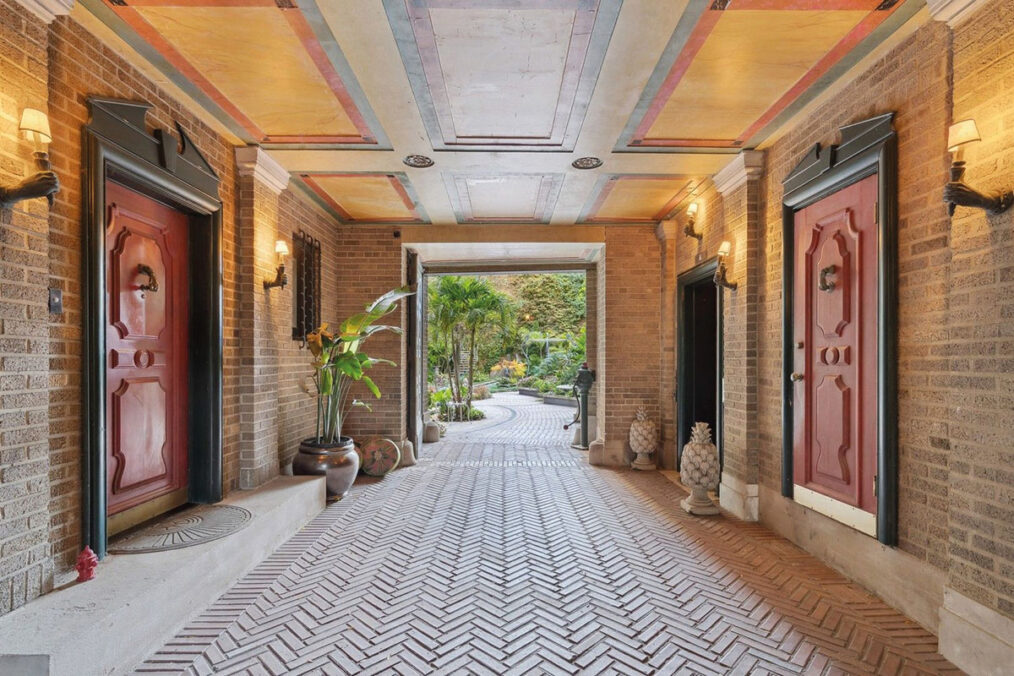
The language of invitation shifts the tone from access to intention. It establishes that entry is not transactional, but considered. This creates a different relationship to time, to space, and to one another. Being invited signals something simple but important. If someone is willing to come to the door and show interest, it is open. It returns to the art fair’s core idea. A door is opened not out of obligation, but out of curiosity, presence, and a willingness to engage.
People arrive because they want to visit, to speak, or to spend time together.
By structuring attendance through invitations and timed entry, we reduce density and restore pacing. Visitors are not moving through a crowd, but through a sequence of encounters. For participants, this removes the expectation of constant performance and allows for more deliberate exchange. The invitation becomes a gesture. It creates a shared understanding that what is taking place is built on attention, proximity, and the willingness to enter.
With terms like ‘satellite’ and ‘micro fair’, how does the fair position itself in relation to these models?
The fair engages with these categories but does not depend on them. The scale may read as micro, and the timing aligns with satellite structures, but the intention operates differently. The project begins with conditions rather than format. Proximity, attention, and spatial constraint are treated as curatorial tools. The domestic setting introduces limits that require precision, and that precision reshapes how work is selected, placed, and experienced. We aim to establish a platform that operates between the experience of a museum, a commercial fair, and an exhibition. Not as a hybrid, but as a new category with its own logic and discipline. This responds to a broader shift. As audiences reconsider their relationship to digital space, there is a growing need for physical encounters that carry depth, clarity, and continuity. Neighbors positions itself within that need, building a model that supports both the present conditions of the art world and its evolving expectations.
There’s a strong sense of collectivity around the art fair. Has building a community always been part of the intention?
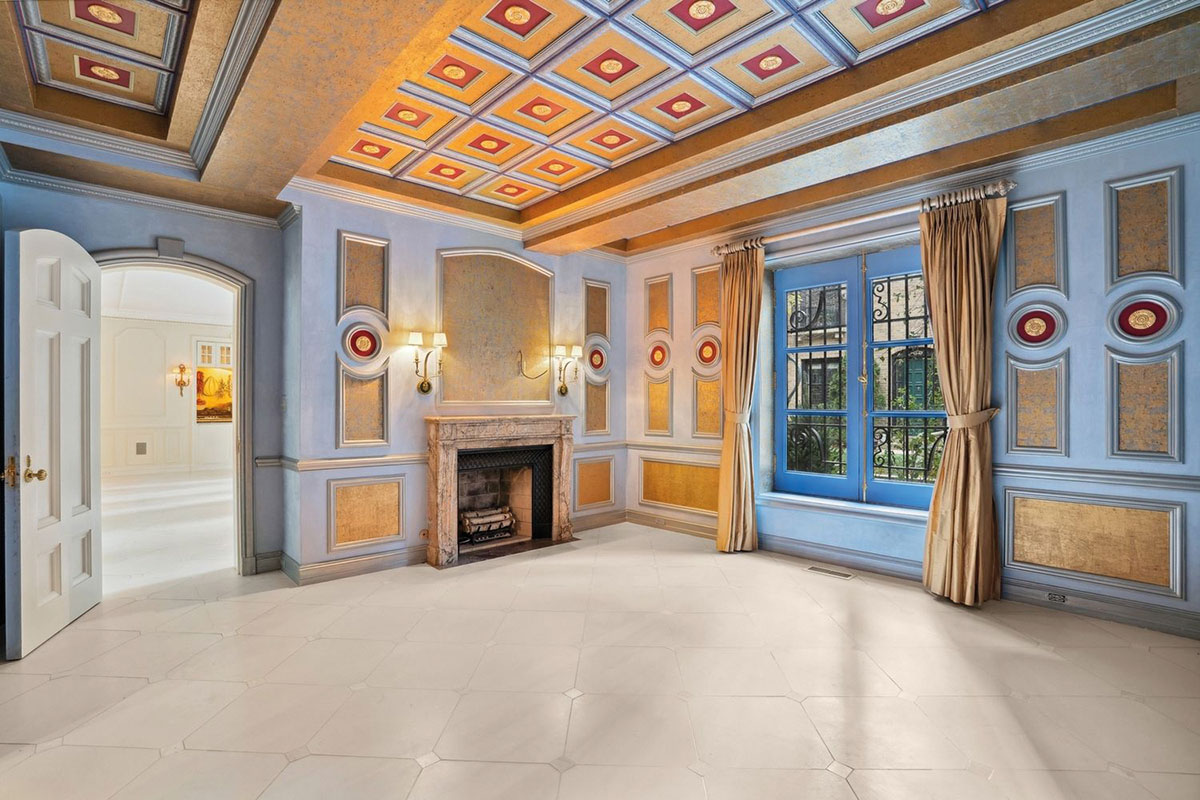
Community was not approached as a goal, but as a condition that emerges when the right structure is in place. Neighbors is built on proximity, and proximity produces awareness. By bringing together galleries from different cities within a shared domestic environment, relationships become visible. Presentations are not isolated. They exist in dialogue with one another, shaped by adjacency and sequence. This creates a form of collectivity that is not declared, but experienced. It is felt in the way conversations extend across rooms, in how audiences move between works, and in how galleries engage with one another beyond their own presentations.
The intention was to create a framework where this could happen naturally. Community, in this context, is not a branding device. It is the result of attention, shared space, and a pace that allows relationships to form with substance.
When planning the layout, what were you most interested in shaping — flow, encounters, atmosphere, or something else?
The primary focus was on the encounter. Flow and atmosphere support it, but encounter defines the experience. The layout is structured to allow for slow movement without restricting it. Rooms open into one another in a way that allows for both continuity and pause. Sightlines are considered so that works reveal themselves gradually, rather than all at once. We were interested in how people arrive at work, how long they remain, and what follows that moment. The architecture guides this. It introduces thresholds, transitions, and shifts in scale that naturally shape behavior. Atmosphere emerges from these decisions. It is not imposed, but built through light, spacing, and material presence. The goal was to create a sequence where each encounter feels distinct, yet connected. Not a linear path, but a series of moments that accumulate into a more deliberate experience of viewing.
The fair seems to draw on ideas of the home or domestic space. How does that influence how artists, galleries, and collectors experience the works?
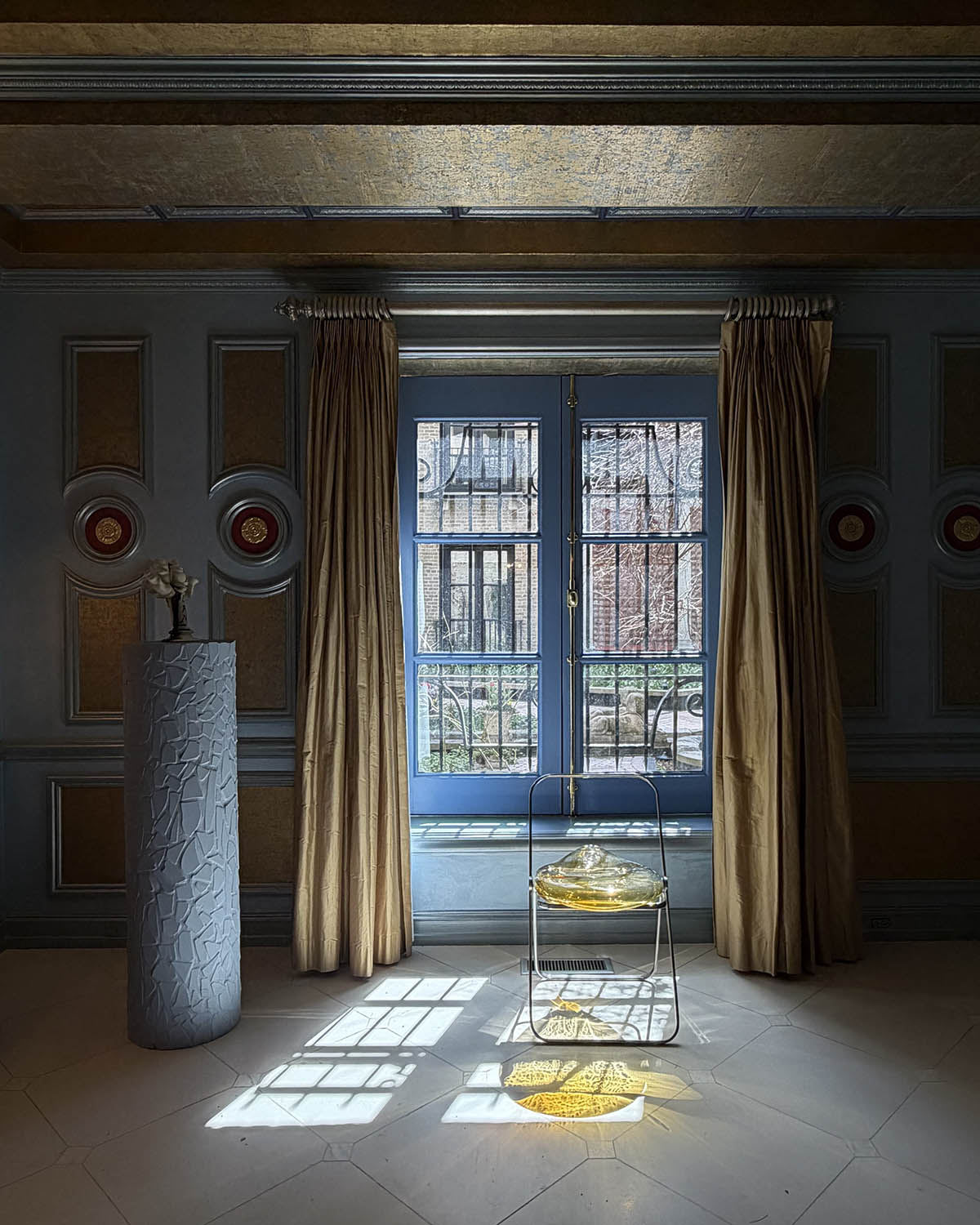
The domestic setting changes the terms of engagement. It removes the neutrality of the white cube and replaces it with a space that carries history, function, and intimacy. Within this framework, works are not simply installed; they must exist within the use of the space. A piece does not occupy a room arbitrarily. It responds to it. Bicycles positioned near a closet, works engaging religion placed at the point of entry, and light-based pieces situated within a workspace. Each decision builds a relationship between function and meaning. This requires a level of curatorial discipline. There must be a natural bridge between the use of the space, the narrative of the work, and the logic of its placement. When these elements align, the presentation holds with clarity. It feels neither imposed nor decorative, but necessary. For galleries and collectors, this produces a more grounded encounter. The work is experienced not in abstraction, but in context, where it gains resonance through proximity to lived space.
Which artists or gallery presentations do you feel best reflect the curatorial direction of the fair?
All of the artists and galleries represent the curatorial direction of the fair. The line-up was intentional from the outset. We followed their programs closely over time, understanding not only the works they present, but the narratives they build and the ways they position artists beyond their own spaces. What was important was not selecting isolated works, but inviting practices that already operate with a shared discipline. There is a consistency in how these galleries think, how they install, and how they extend their artists into new contexts. That trust allowed the presentations to be held within Chicago. They arrived with an understanding of how to engage a space that is not theirs, while remaining precise in their vision. They brought with them their own neighbors in practice. A proximity of thought, of rigor, and of intention that aligns across the exhibition. The title is not thematic. It is philosophical. It reflects a way of working where relation, placement, and shared discipline define the experience.
Art fairs can feel very moment-driven. How are you thinking about Neighbours continuing to exist or resonate beyond fair week?
It is structured with continuity in mind. The physical exhibition is one moment within a longer editorial and archival process. Through Miri, the project is documented, written, and reframed so that its ideas extend beyond the duration of the fair. Essays, interviews, and image archives translate the experience into a form that can be revisited and studied. At the same time, we are building toward a platform that sits between a museum, a commercial fair, and an exhibition, creating a new category that allows these experiences to extend beyond a fixed moment. This responds to how audiences are evolving. As digital presence becomes more saturated, there is a stronger demand for physical environments that offer depth and meaning, but also continuity beyond the visit itself. The intention is to build memory, not just visibility. What happens within Neighbors is designed to remain active, both physically and editorially, long after the week concludes.
Neighbors Art Fair
April 8th–12th 2026
You can find the program and all further information at: www.neighbors.art