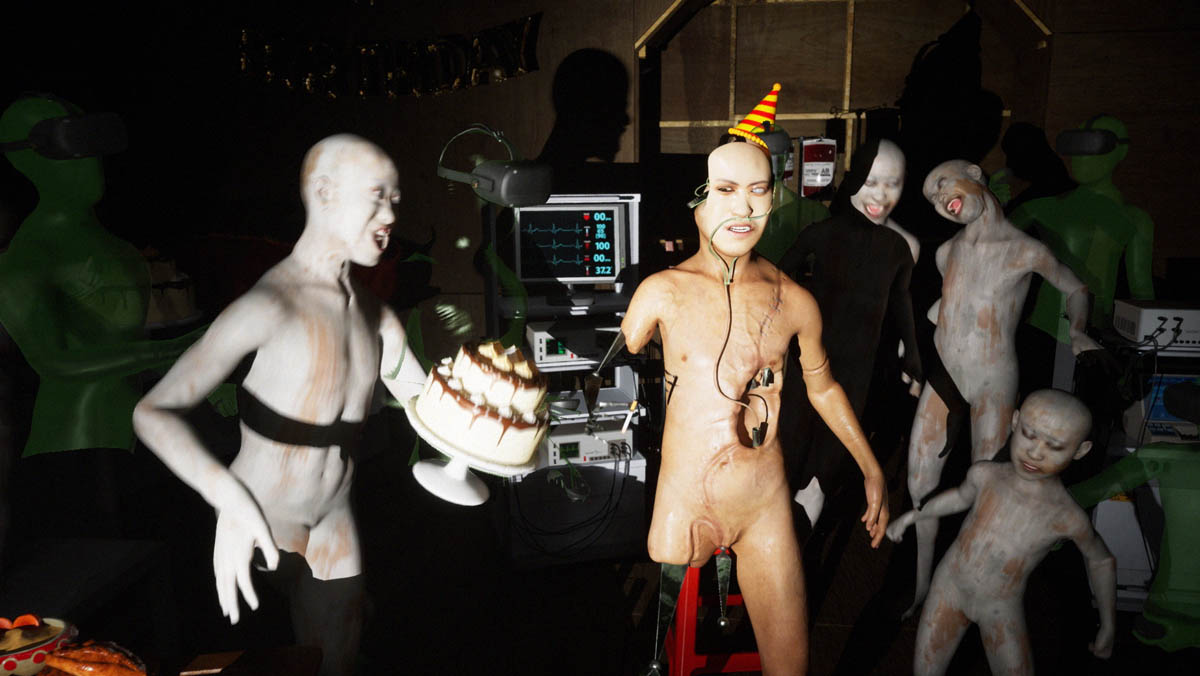
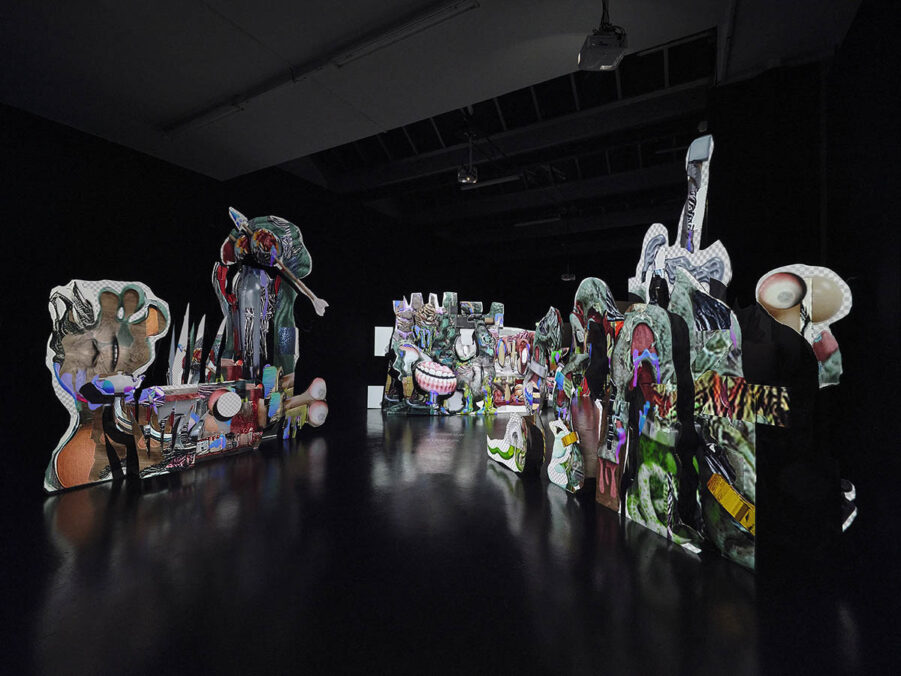
At just 36, Li Yi-Fan will represent Taiwan in Venice Biennale 2026 with his exhibition ‚Screen Melancholy‘, curated by Raphael Fonseca, the current curator of modern and contemporary Latin American art at the Denver Art Museum in the USA. We had the chance to talk with Yi-Fan, an artist who describes his process as staging a death match between himself and the software he uses, allowing a narrative work to quietly emerge from the aftermath of their confrontation.
Your practice engages strongly with digital realism and virtual environments. Do you see these spaces as extensions of reality, or as speculative sites where reality can be tested?
I studied realist painting in school, and even now, I still enjoy the process of building a realistic scene. Creating textures and models requires a deep observation of reality; you have to think about how to represent the physical world within the frameworks we have.
For me, the fun part is realizing how our virtual environments are structured by these existing workflows and pipelines. I would describe the virtual scenes in my work as a ‚playground‘ or a ’safe house‘ I build for myself, but at the same time, my work always seems to question whether that space is truly safe.
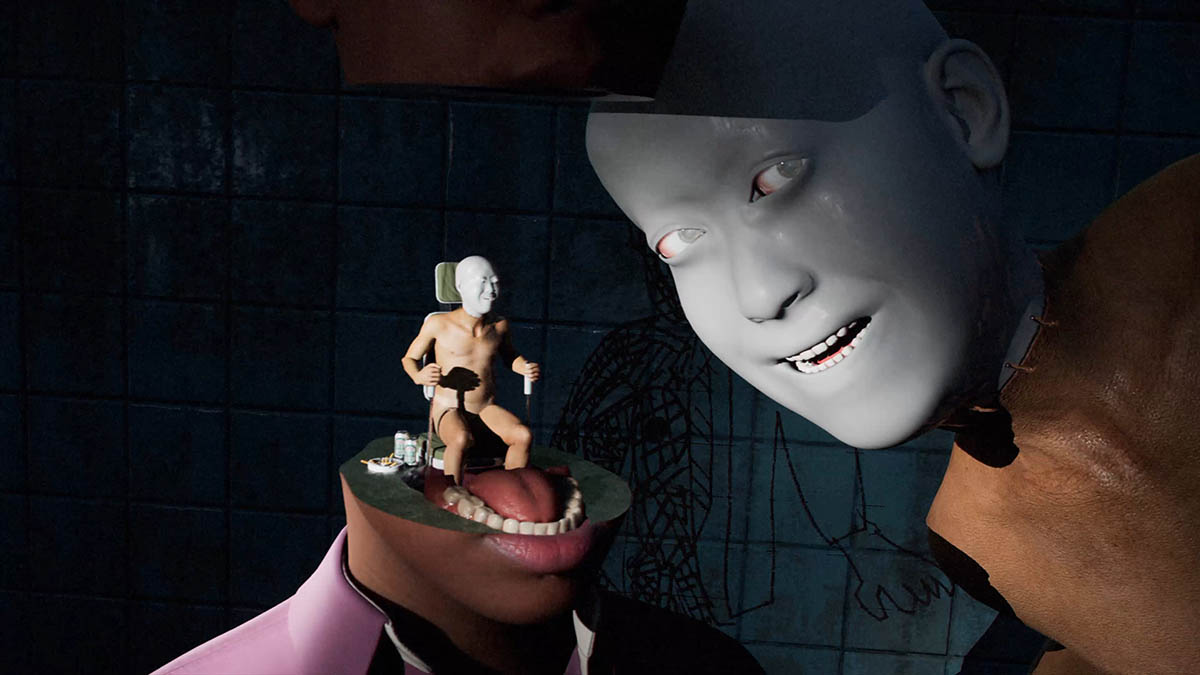
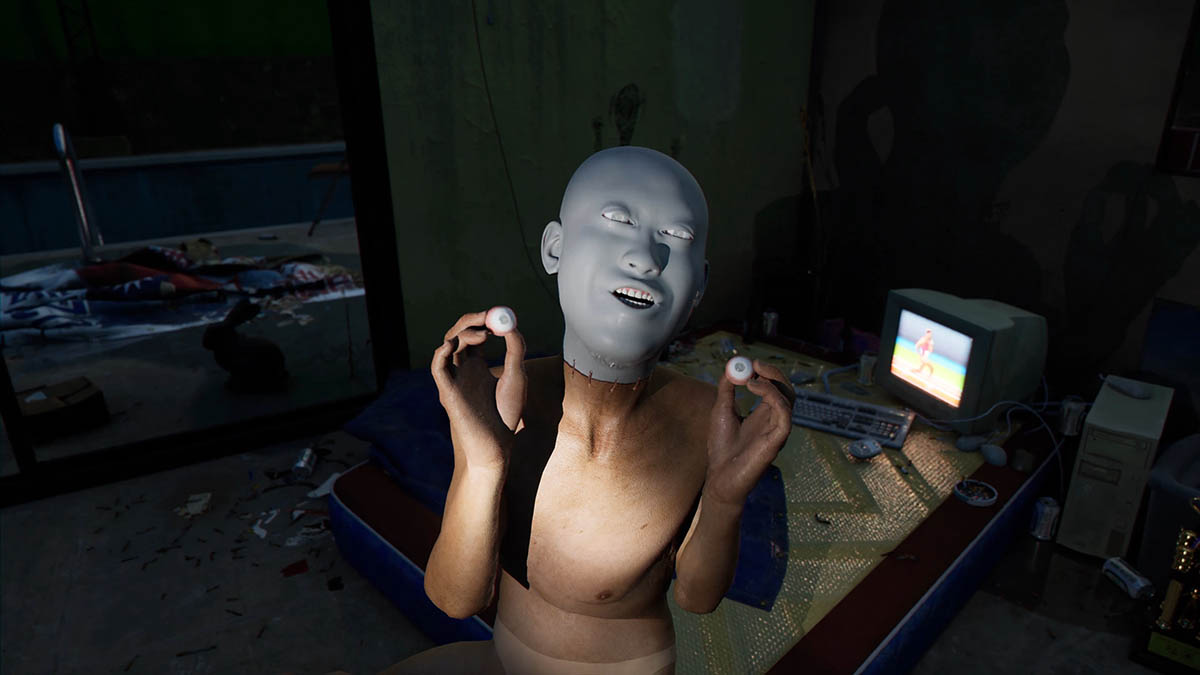
I could describe your works as an intersection of simulation, labor, and systems of control. When you begin a new project, do you start from a narrative, a technical structure, or a lived observation, and how do these elements connect?
I start with the technical structure most of the time. I have been developing a VR digital puppet system inside a game engine for years, and I’m always trying to build new game mechanics and props for the system. I also write randomly every day. At a certain point, when I feel like the mechanics and the writing can form some kind of narrative (mostly when I realize there is a deadline), I’ll start building the scene, and the narrative emerges afterward.
I see the process as creating a structured framework that gives me room to explore and experiment.
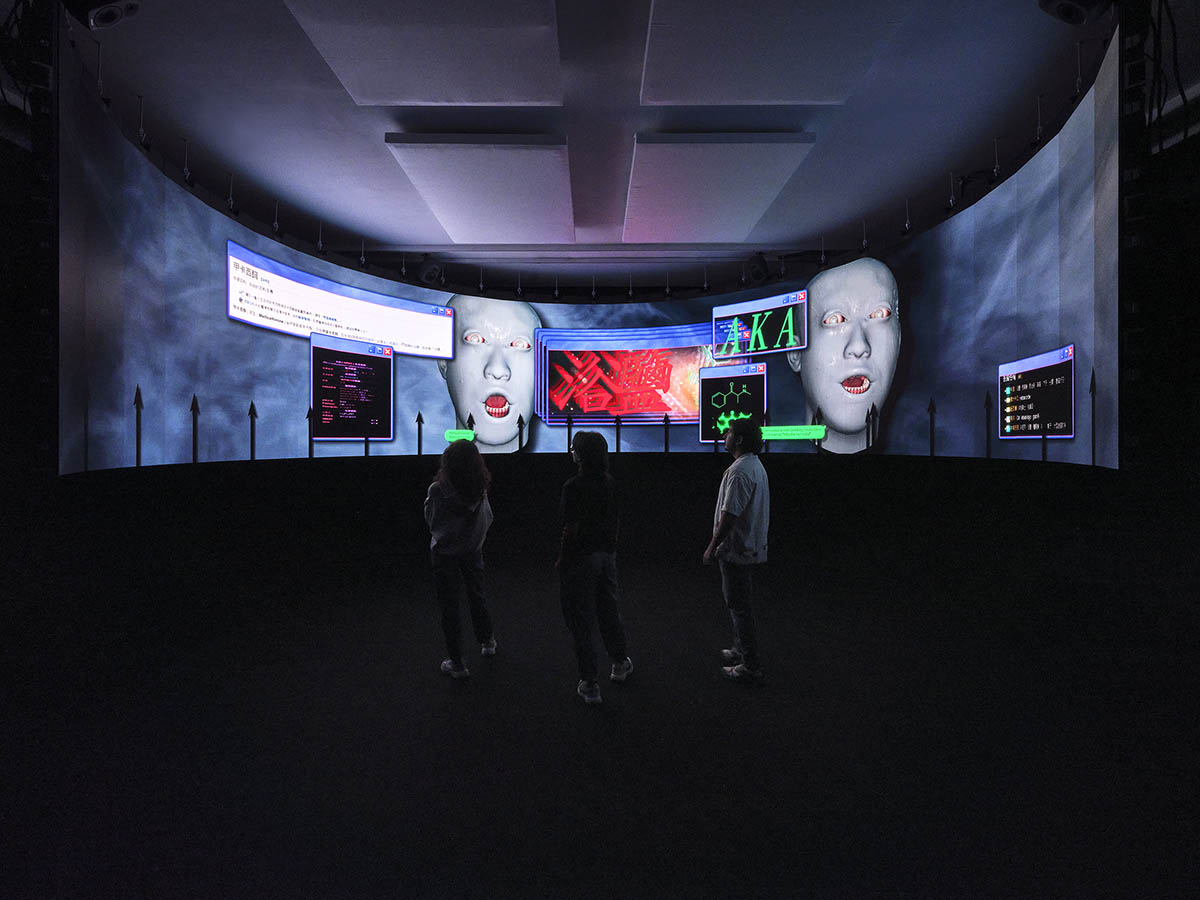
Do you think of your works as “finished systems,” or as fragments of larger worlds that could continue to evolve beyond the exhibition space?
I think I never really finished my work. If there is no deadline, I probably am going to work on the same piece forever. That’s why my work doesn’t have a proper structure or plot; it’s always fragments, or more like a snapshot of a certain time.
How do you think about the position of the viewer within your works: as an observer, a user, a worker, or a participant inside the system you construct?
I think „observer“ is a perfect description of my audience. As my work consists of fragments and murmurs, the audience catches a glimpse of my life, though they are left uncertain of what is real and what is fiction. I strive to make this process of observation an engaging and playful experience.
You are currently developing work within the framework of the Rijksakademie. How has the studio environment there—its emphasis on experimentation, peer exchange, and long-term research—affected the way you think about systems, realism, and duration in your practice?
Before coming to the Rijksakademie, I spent most of my life in Taiwan. Being here has allowed me to immerse myself in a different cultural environment, while also allowing me to look back at my work from a new perspective. Although my pieces often incorporate dark humor, I have begun to rethink the anxiety in my practice, viewing it now through a more political lens.
Since my work relies heavily on spoken language, and I have recently started having funny dreams in English, I feel it is time for me to create a multilingual narrative piece.
How your daily working routine look like?
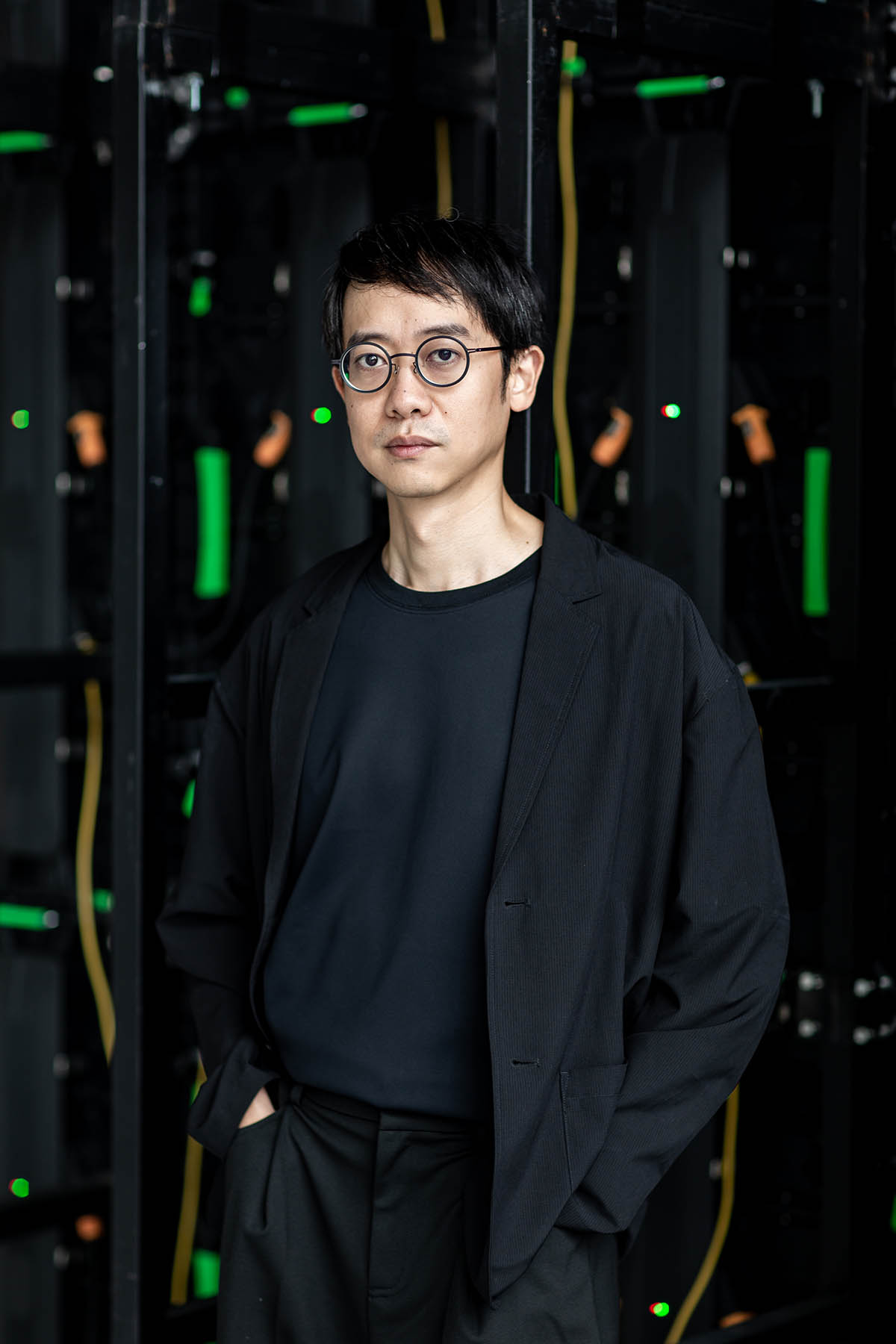
I am a person of routine, working 9-5 almost every day. Since moving to the Netherlands, I have started cooking on the weekends, mostly ‚long cooks‘ where the process feels like rendering an animation. I also play competitive video games at night, although I am playing really badly.
Li Yi-Fan – www.instagram.com/liyifanyifanli
Born in Taipei in 1989, Li Yi-Fan (he/him) holds an MFA in New Media Art from Taipei National University of the Arts and is currently an artist-in-residence at the Rijksakademie in the Netherlands. His notable accolades include the 20th Taishin Arts Award for Visual Arts (2022) and the Kaohsiung Award (2020). He has completed artist residencies across Japan and Europe, with his work exhibited in Taiwan, France, Spain, and Belgium. His pieces are held in both domestic and international collections. Li Yi-Fan’s practice, spanning sculpture, painting, video projection, and game engines, often employs monologues to delve into the intricate relationship between humanity and technology. Through his art, he frequently illustrates the interwoven dimensions of storytelling, daily lif,e and creative mediums that characterise his process. (Source: www.framerframed.nl)