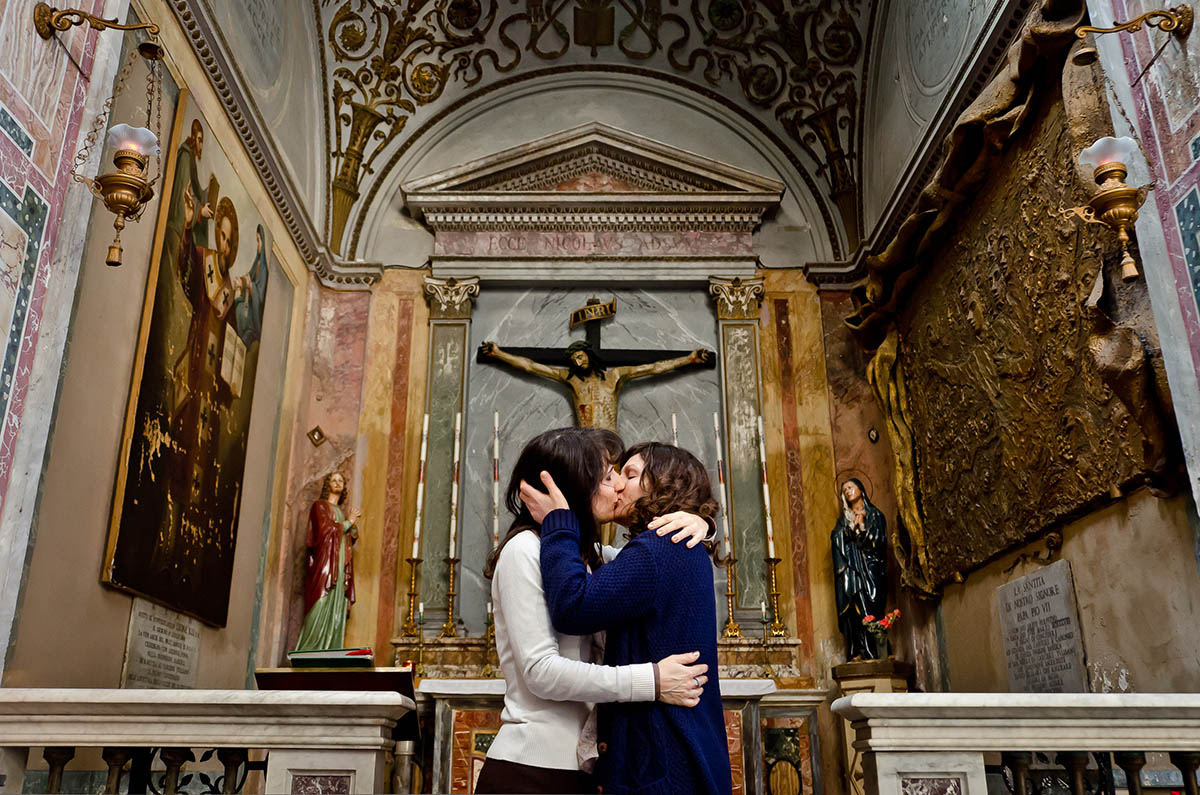
Consent and self-sacrifice, agreement and being overwhelmed by instinct and emotion are set against one another in the works of the 20th century. Power and gender relations, as well as the (de)constructions of relationships and identity, are brought to light. We spoke to the curatorial team.
The title is borrowed from a very famous song by Joy Division. Can you tell us more about the title and how you chose it? How does the title relate to the exhibition and the accompanying program?
Love Will Tear Us Apart was penned and performed by the iconic English rock band Joy Division and has become a cultural cornerstone in music. The song has not only been cited as the greatest single of all time, but also endures as a timeless song since its release in 1980. The lyrics refer to the lead singer Ian Curtis’ marital problems caused by his supposed emotional affair with a woman outside his marriage. The single became a hit after Curtis’ untimely death. The song speaks perfectly to the ambiguity of Love and the moment when a relationship becomes so all-consuming, resulting in complete enmeshment with a partner. Yet emotional cracks still appear that cannot be ignored.
The exhibition explored this painful and specific aspect of romantic relationships to examine how it is portrayed in art. We brought artworks from our extensive woodcut collection to the fore and positioned these with contemporary artworks by living artists in the museum. Depending on visitors’ experiences, we find that interpretations of individual works and the exhibition concept as a whole vary widely, as everyone brings their experiences to the exhibition. We have had many interesting conversations around the topic so far.
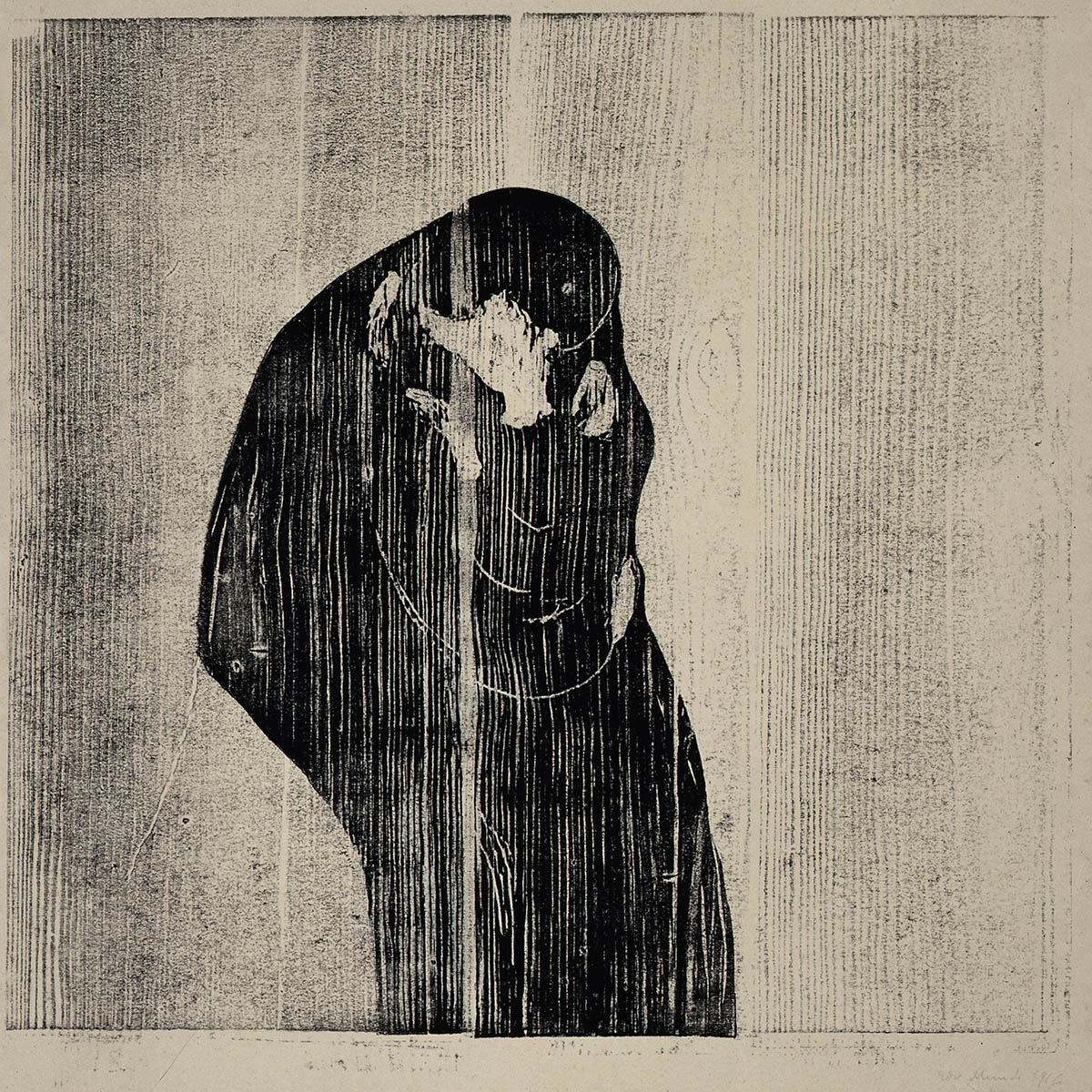
The woodcut print of The Kiss (1902/1916) by Edvard Munch is a starting point for the relations between the works from the collection of Kunstmuseum Reutlingen; historical works meet contemporary positions with the latest work from 2025 by Alice Billaud or Jérémie Danon. Why did you choose Munch’s work as the conceptual anchor for the entire exhibition?
We selected The Kiss by Edvard Munch as it provides a solid ground for our undertaking to investigate ambiguity in depictions of love throughout art history. In the artist’s print, the couple’s actual kiss remains imaginary: where their faces meet, the superimposed printing block leaves a blank area, allowing the underlying print of the sheet to remain visible. The background does not situate the motif topographically, but instead refers to the artistic process itself: the fine lines reveal the grain of the wood of the printing block, cut longitudinally along the grain. By making the material itself visible, the artwork acquires a particular significance, heightening the visual tension inherent in The Kiss. In the work held in our collection, however, the materiality of the wood takes on a particular significance. Munch used a printing block that he had made himself and with which he printed for the first time in 1902. Fourteen years later, he worked with it again to create the print in our collection. Over the intervening years, the wood of the block had warped and had almost split apart at the centre of the motif. Considering the artist’s own conception of his practice, the use of such a printing block must be understood as an intentional decision, particularly since the sheet is both signed and explicitly dated by Munch himself.
The gap between the subjects, as well as small particles of dirt that must have originated in the printing process, deliberately intensify the ambiguity of the image. Romanticised readings of the couple’s union as a merging of two individuals oscillate with the threat of self-effacement and the loss of individual identity. The ambiguous reading and the particular art-historical significance of Munch’s The Kiss, which was explored for the first time in the conception of the exhibition, made the work a pivotal point of reference to which contemporary works could also connect.
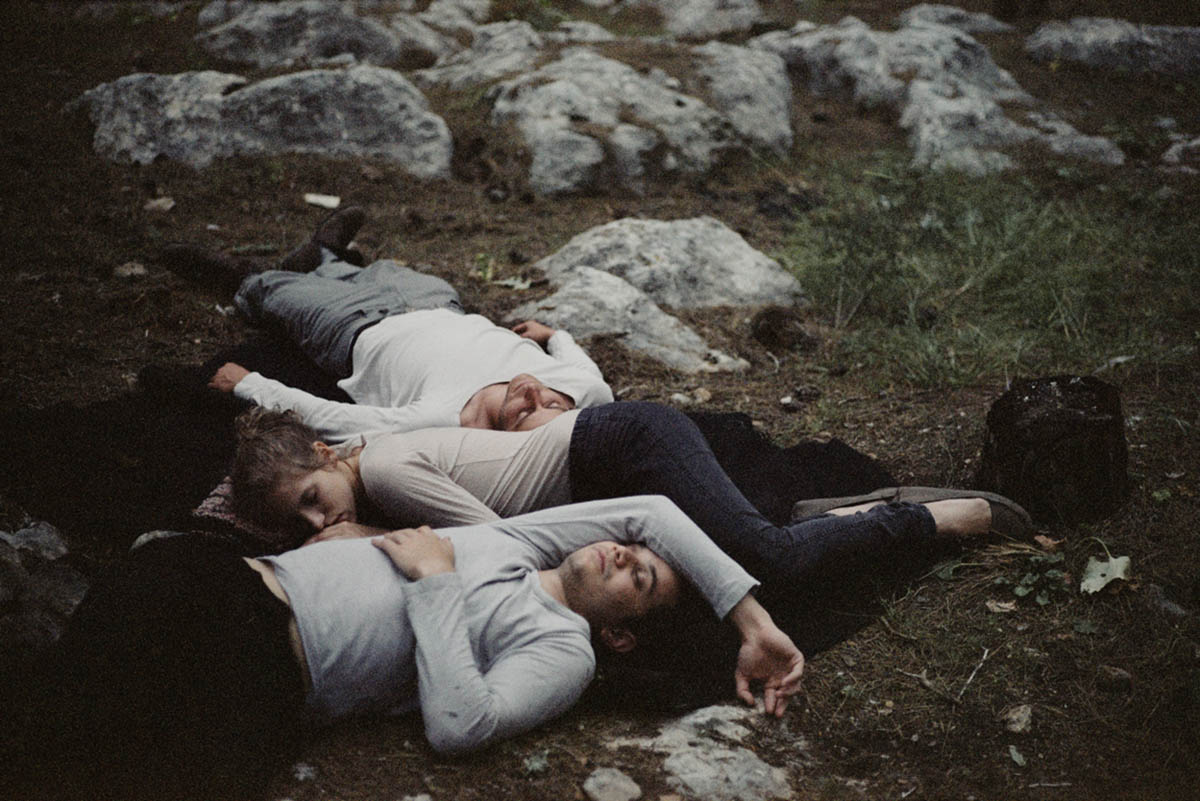
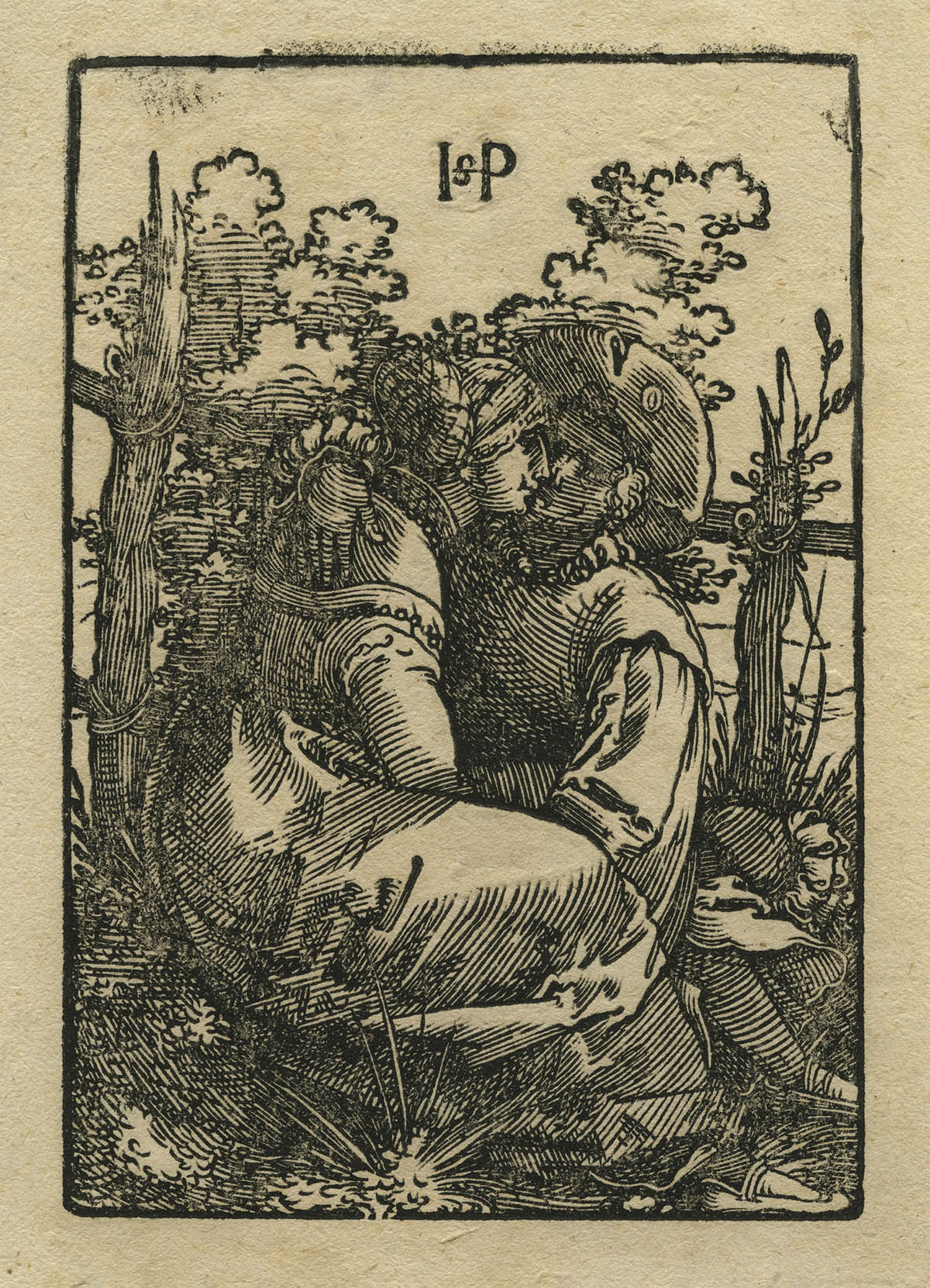
Bringing a contemporary position in connection to the historical, new readings appear: how does the video work by Amit Berlowitz Woods (Awakening) (2013) contribute to the new reading of, for example, a woodcut by Hans Sebald Beham Liebespaar (1522) or another historical work?
In the exhibition, numerous works from different periods have been deliberately arranged side by side to explore the tensions this creates and the different interpretations this gives rise to among visitors. In the case of Berlowitz and Beham, two works that are separated by centuries in their creation, we witness clandestine encounters between, in this case, heterosexual people. The subjects in the respective artworks engage in sexual acts in the dead of night or in a secluded and semi-hidden area out in what appears to be a paddock. The outdoor setting, surrounded by nature, reflects this theme, which has been revisited time and again throughout history. Namely, encounters that are risky and speak to the idea of Love as a fleeting adventure. This is perhaps nothing new; in this exhibition, artworks representing different media are exhibited together for the first time in a space where the video work and the print speak to one another and to visitors in new and interesting ways.
On view are works by Jérémie Danon in different media: a painting, a ceramic, and a tapestry; again, a contemporary position; how do the works exhibited relate to the topic at large?
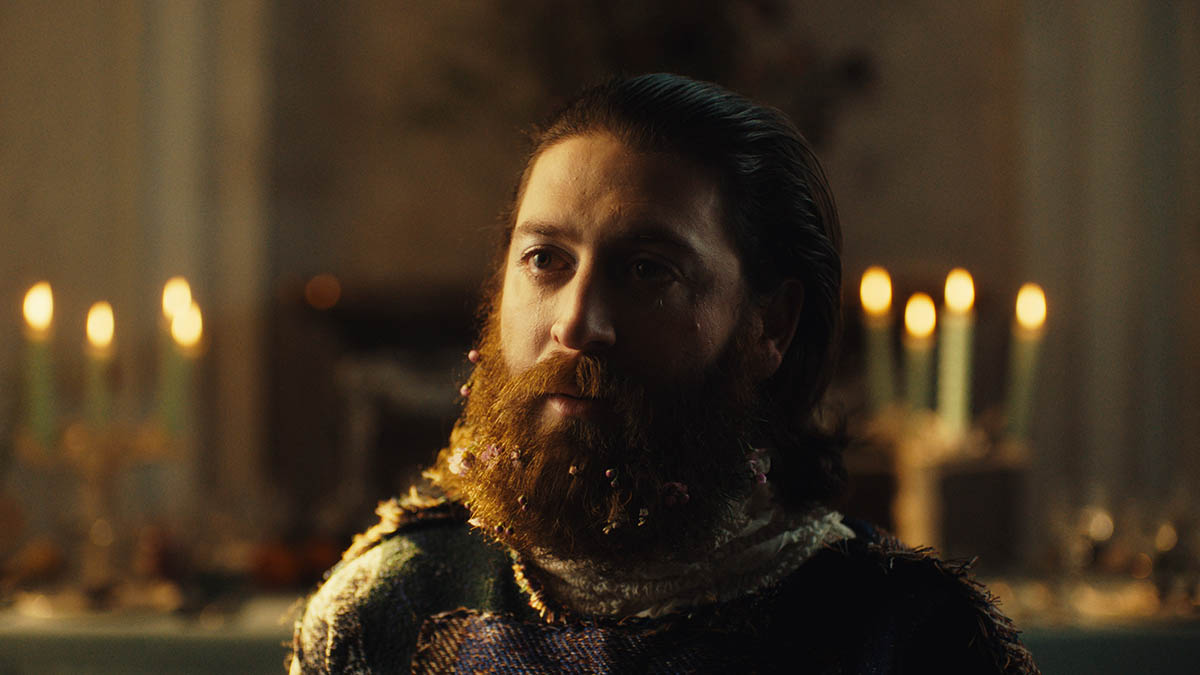
We wondered what shapes our understanding of love and identity within society. Particularly in Europe, fairy tales are deeply embedded in the cultural memory. This made IL ÉTAIT UNE FOIS ENTHÉORIE (2025) by Jérémie Danon especially fascinating to us: his film work becomes an updated, contemporary fairy tale that deconstructs notions of gender and social roles in love and society by referencing stories of heroes and heroines from the Middle Ages to the present day — an immensely layered negotiation of cultural conditioning. The drawings, paintings, ceramic objects by Alice Billaud, and works made from jacquard fabric are taken from the film and directly extend the fictional universe of ENTHÉORIE into the exhibition space. In exploring the contours of one’s own identity, the notion of a supposedly predetermined fate is called into question, while the determinism of imposed social roles is disrupted. The process of becoming aware of these ambiguities in Love is the thread throughout the exhibition.
How does the spatial arrangement of the works influence the relationships between them? Were there categories involved, such as strong thematic or aesthetic similarities among the works, or did the groups form naturally?
Bringing together works from different centuries and very various media may seem like an unusual approach – but in the context of love, a subject that has always preoccupied humanity and, consequently, art, it becomes a significant inquiry. We have developed thematic focal points whose approaches intersect, complement, and question one another.
Through contemporary artistic perspectives, visitors are introduced to 21st-century viewpoints and encouraged to reflect on them in new ways.
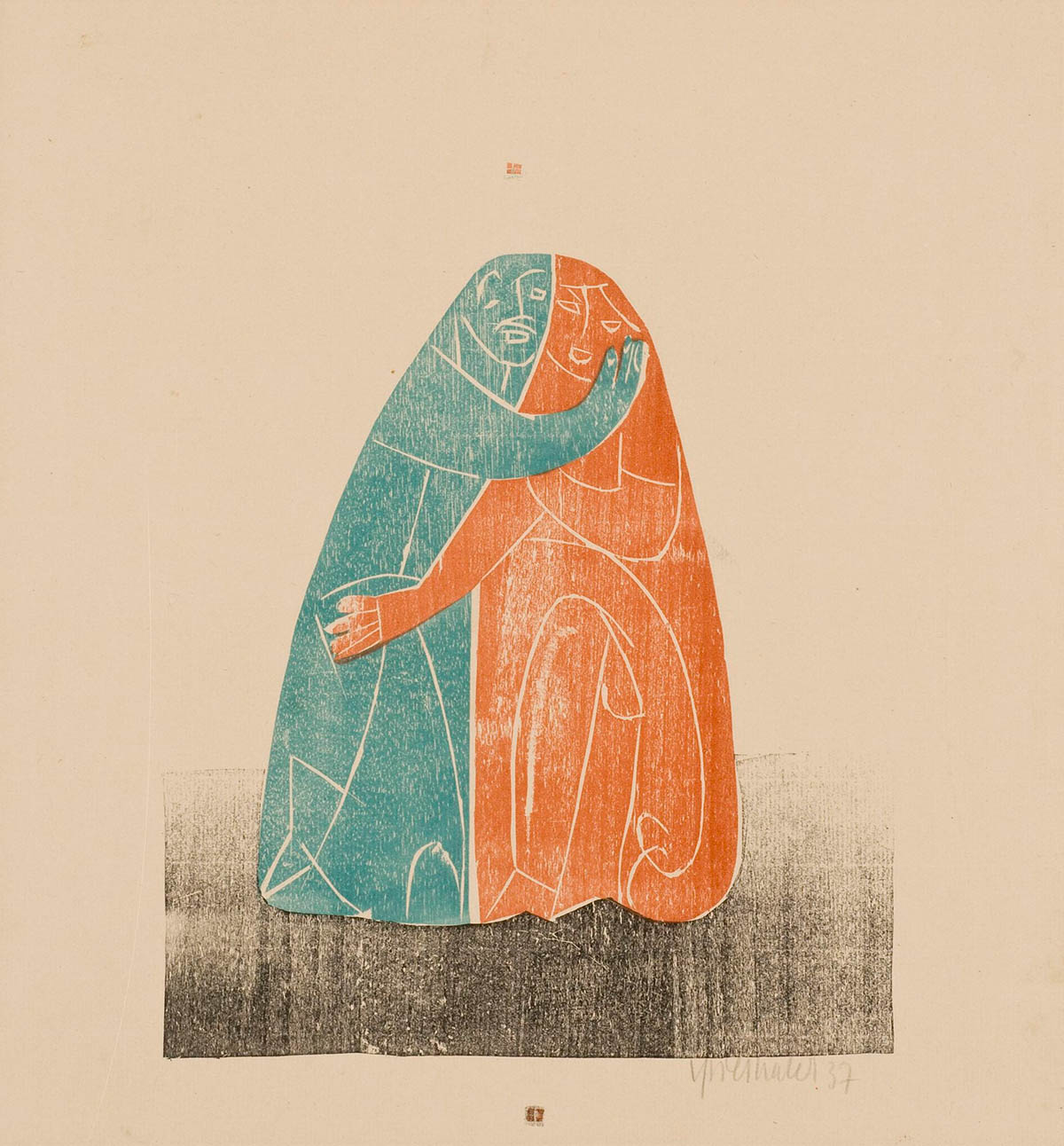
One example is the representation of women, which has become central to current debates around love and relationships. In this context, we have juxtaposed a fan recording featuring German rapper Ikkimel with Emma Talbot’s woodcut The Woman Who Dreams She’s Alive (2018), which explores the quest for self-determined female sexuality. In contrast, we have placed a woodcut by Max Pechstein, Woman Desired by Man (1919), in which femininity is portrayed as threatening alongside racist modes of thinking – a fear also understood within a patriarchal context.
The juxtapositions and connections established in the exhibition are unusual and bold, intended to challenge visitors and stimulate discussion and debate.
In the exhibition, not only on the psychological sides of love, but also on ideological and political dimensions of relationships and intimacy. Since the private becomes public more and more. Can you share some works that represent this political dimension of love, and, on the contrary, some that do not?
With this exhibition, we also hypothesise that love is often political. The nature of our feelings, their expression, and the way we engage with love are, even if we are not always aware of it, expressions of society. We learn this when we take a look at history or consider the various interpretations of the artworks in the exhibition. In contrast, are there really abstract dimensions of love, or is that an illusion?
One work that addresses this question directly and visually within the exhibition is an untitled work by Bethan Huws from 2013, on loan from the Mercedes-Benz Art Collection. The work displays cases by this Welsh artist and is reminiscent of information boards found in government offices or restaurants. Using white letters that can be arranged flexibly, Huws appropriates the medium to create a critical wordplay. In the artistic position, the initial word ÉPOUSE, from the French meaning wife or spouse, gives rise to thematically charged words that come into associative contact with one another using the same root:
Épouse/Wife or Spouse
Épouser/to marry
Épousseter/to dust, to dust off
Époustouflant/ breathtaking, stunning, amazing
Épouvantable/ dreadful, terrible, horrifying
The concept of marriage, particularly the role of the married woman, dissolves through the repetition of the word. It loses its meaning and is overtaken by a sense of impending danger regarding outdated role models.
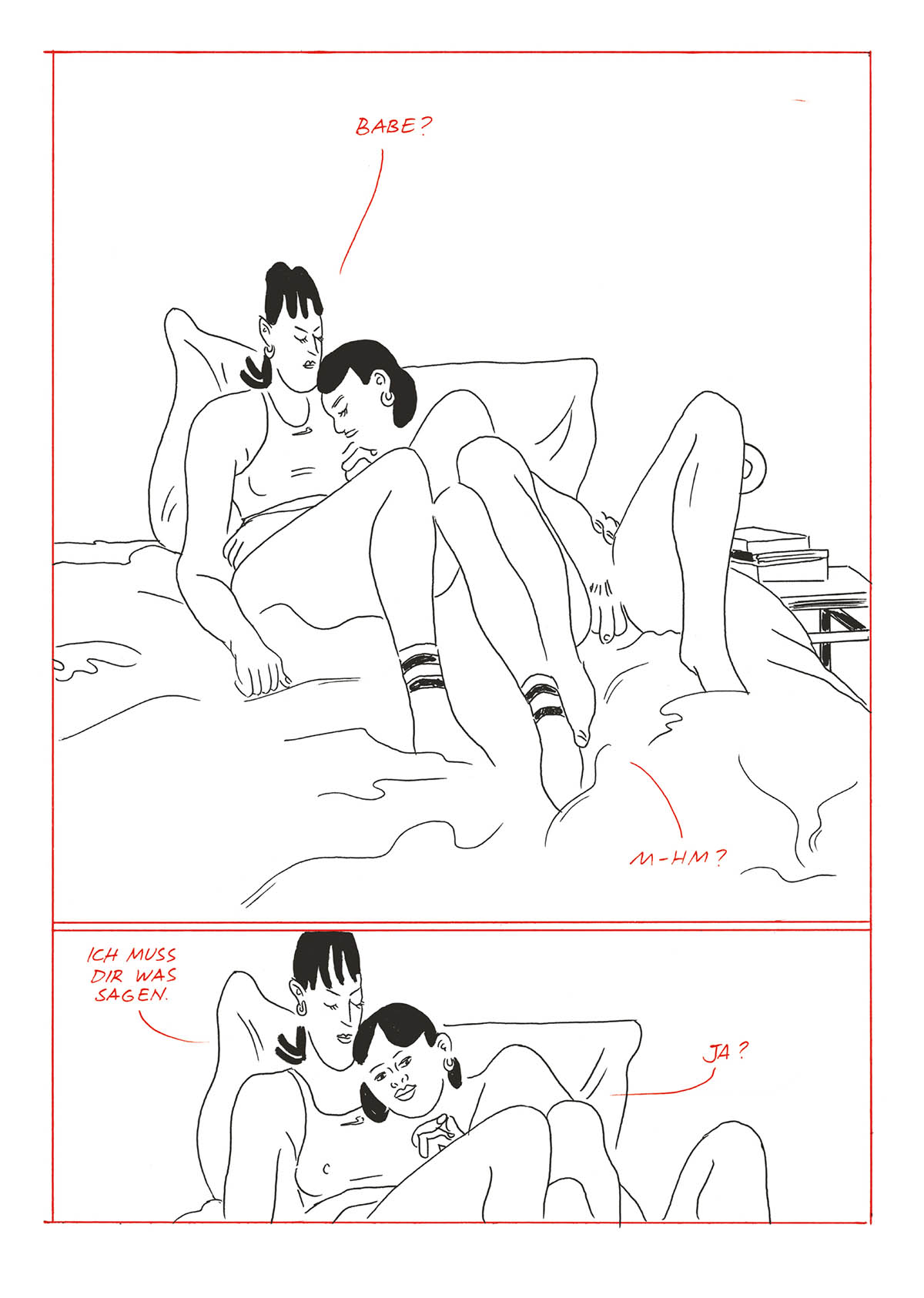
Nino Bulling’s Sometimes when we kiss, it feels like I am drinking water from your mouth (19)(2022) is also on view. How does this interpretation speak to the rest of the works, and tell us a bit about Bulling?
This work is part of a series of 23 ink prints on silk, first exhibited at documenta fifteen in 2022. The series is based on Bulling’s graphic novel firebugs from the same year. Edition Moderne published the graphic novel. It tells the story of a queer couple who navigate their trans identities while in a relationship with one another. While one of them has undergone their transition and lives their life as a female, their partner, Ingken, comes out as a trans male in the graphic novel and begins to navigate their personal journey. In the story, we witness the couple in their day-to-day and Ingken’s struggle to come to terms with their changing identity, as well as societal norms that define gender, making gender non-conformity somewhat difficult to traverse.
The artwork in the exhibition is not a scene from the graphic novel itself; rather, it is part of a stand-alone series. The protagonist is a recurring visual cue. It was important for us to include a queer perspective in the curatorial vision for this exhibition. Several works in the exhibition point to the sexual aspect of relationships—intense kissing in Amit Berlowitz’s and Andy Warhol’s respective works, and even Sebald Beham’s print from the 1500s of a couple in the midst of a sexual act. We wanted to present a queer perspective not in the way that it becomes voyeurism, as is often the case from a predominantly heterosexual view. But in a way that depicts a relationship which, whilst seemingly calm and peaceful, is on the brink of upheaval and change. We wanted to point to the interstices in relationships where seemingly not much happens; on the contrary, much is happening.
We also selected a page from the comic and used it to create a 16 x 12.75-meter installation, mounted on the outside of the museum’s façade. The scene is very tense when one of the characters says they need to tell their partner something. There is an underlying unease that comes with this scene since we don’t know what happens next. It moreover illustrates intimacy and vulnerability as it is set in the couple’s bed while they cuddle. The work faces a busy road going through Reutlingen, and we wanted to take the exhibition outside and show the ambiguity in such works that leave the ending open in public.
Nino Bulling is a multidisciplinary artist. He works across genres such as graphic novels and textiles, using storytelling to provide a significant insight into queer lives.
How does the exhibition explore non-romantic forms of intimacy and love (familial, platonic, communal), or is the focus exclusively on couple relationships?
Given the exhibition’s title and the song that inspired this project, we focused on couples and romantic relationships that are more often the subject of intense intertwinement and the resulting loss of one’s identity. As with most projects, it was important to focus on the essentials; otherwise, the exhibition would have required a much larger space and an even larger team of curators.
Exhibition: Love Will Tear Us Apart
Curated by: Charlotte Baumann, Dr. Stefanie Kogler-Heimburger, Johannes Krause-Schenk, Stephan Rößler
Artists: Marina Abramović, Ulay, Max Beckmann, Sebald Beham, Peter Behrens, Amit Berlowitz, Alice Billaud, Nino Bulling, Holger Bunk, Marc Chagall, Jérémie Danon, Otto Dix, Arthur Fauser, HAP Grieshaber, Wilhelm Heckrott, Annemarie Hein, Klaus Hoffmann, Bethan Huws, Wilhelm Laage, Matthias Mansen, Edvard Munch, Paul Nash, Hartmut Neumann, Gonzalo Orquín, Emma Talbot, Félix Vallotton, Andy Warhol
On view: Until 1 November 2026
Opening hours: Tuesday to Sunday / public holidays: 11 am–5 pm; Thursday (free admission): 11 am–8 pm | Closed on Mondays
Address and contact:
Kunstmuseum Reutlingen | Spendhaus
Spendhausstraße 4, 72764 Reutlingen
www.kunstmuseum-reutlingen.de
View all upcoming events here.
Stephan Rößler has served as Director of the Kunstmuseum Reutlingen since 2024. With a background in political theory and art history, he is convinced that love is inherently political.
Johannes Krause-Schenk has been a curator at Kunstmuseum Reutlingen since 2021.
Charlotte Baumann worked at the University of Tübingen, specialising in Early Modern art, and has been undertaking an academic internship at Kunstmuseum Reutlingen since the beginning of 2026.
Stefanie Kogler-Heimburger holds a PhD in art history from the University of Essex, UK; she has worked in various capacities at Kunstmuseum Reutlingen since 2019 and initiated a series of artist residencies in the UK in 2016.