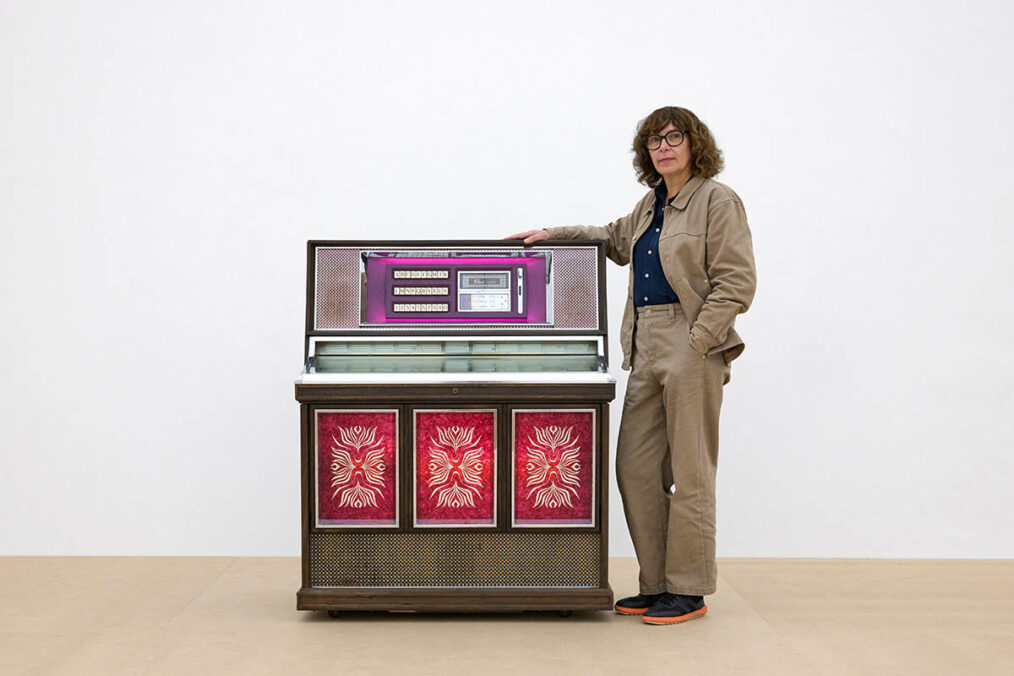
To prepare for the exhibition Radical Hope, you traveled to the Pyrenees, following the footsteps of Walter Benjamin and his escape aide, Lisa Fittko.
I had originally gone there in 2021, after the lockdown ended, and then I returned in the summer of 2026. This route is perhaps the best-known escape route of the twentieth century. It was used in both directions, first by partisans fleeing the Franco regime from Spain to France. Then, in autumn 1940, Lisa Fittko rediscovered the route. She and her husband Hans led hundreds of people fleeing the Nazis along the route in the opposite direction.
To understand Benjamin’s journey, it’s important to know that he needed several travel documents to leave France and reach the United States: a U.S. visa, a Spanish transit visa, and a French exit visa. Although he had an identity document, he had been stripped of his German citizenship in 1939. The exit visa was the biggest problem for him. The Vichy authorities, who collaborated with Nazi Germany, made it difficult for refugees like Benjamin to get one. Without it, he had to leave France illegally.
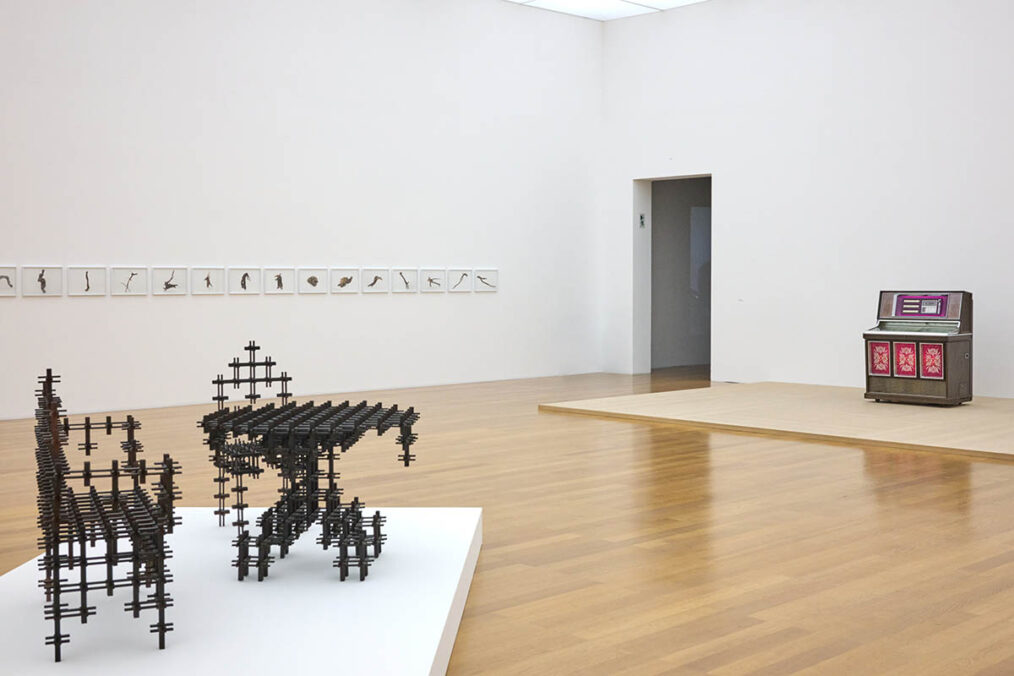
The Spanish border guards usually admitted people arriving from France without demanding a French exit visa. The day before the crossing, the group, including Benjamin and Fittko, walked the first third of the route, which was still legal, as it involved walking only on the French side. They needed to learn the path because they would have to set out around three in the morning, pretending to be day laborers heading to work for the local winegrowers. These workers took the route several times a day, and blending in with them would keep the group from standing out.
After three hours of walking, Benjamin was in severe pain from his heart condition and general poor health. The others wanted to turn back, but he refused. He said it was already too much for him, that he would never manage the whole route the next day, and preferred to stay where he was. He would rather not walk back down to Banyuls and then climb the same path again in the morning, so he spent the night outside in a small clearing on the mountain. The others went back to the village, and early the next morning they found him waiting there. Together they continued over the Pyrenees to Portbou, the first town on the Spanish side. When they arrived, the Spanish police told them the border had just been closed to refugees without a French exit visa and that they would be sent back to France. That night, on September 26, 1940, Benjamin took an overdose of morphine in his room at the Hotel de Francia in Portbou and died. He is believed to have been carrying a black briefcase with a manuscript, which went missing after his death.
Which side of the route did you start on? And did the experience remind you of your past?
We started on the French side of the Pyrenees and followed the Lisa Fittko Trail, which stretches for 17.8 km between Banyuls-sur-Mer and Portbou. At the summit of Coll de Rumpissó, a simple fence marks the border between France and Spain. Fittko described this place in her autobiography, Escape Through the Pyrenees, recalling the beauty of the view that left her speechless. It’s really fascinating to stand there in person.
The first time we went, in autumn, it was a relatively easy walk. But last summer it was brutal because of the sun and heat. We had to start at three in the morning, and even then, we still had two terrible hours of walking in full sun.
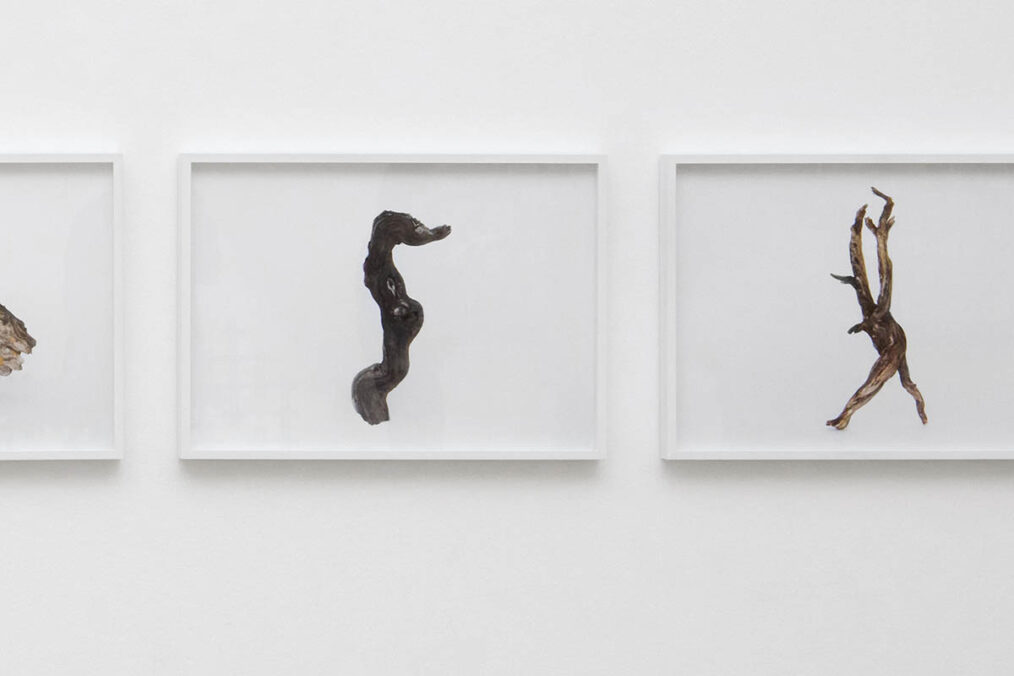
I collected things I found along the way on both occasions I went there. Among them were grapevine roots that could be up to 100 years old, silent witnesses to the people who fled along this route in the past, and perhaps even witnesses to Benjamin and Fittko themselves. When I saw these roots, they reminded me of animals or toys, and I thought of Walter Benjamin, who was a passionate collector of toys as well. I wondered whether he might have seen them similarly.
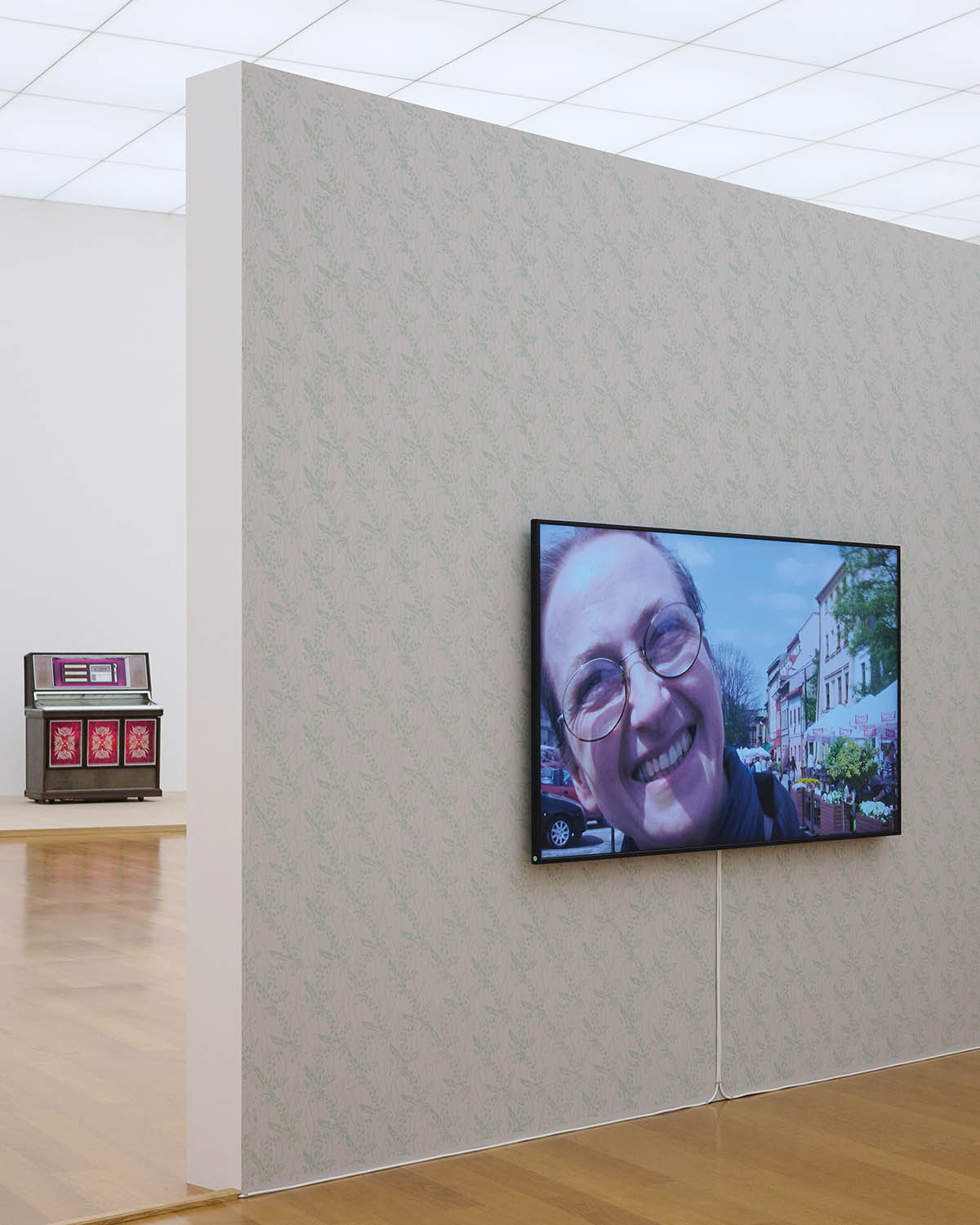
I researched everything available on Lisa Fittko, too. There’s another work of mine about the person who helped me escape; it’s titled Aleksandra Wysokińska / 20 Years Later / 35 Years Later (2009/2026). In this film, I revisit her story and how I reconnected with her many years later. The work explores how a stranger’s act of kindness can change someone’s entire life. The work is also on display in the exhibition at Kunstmuseum Liechtenstein, including its second part, which was recently finished.
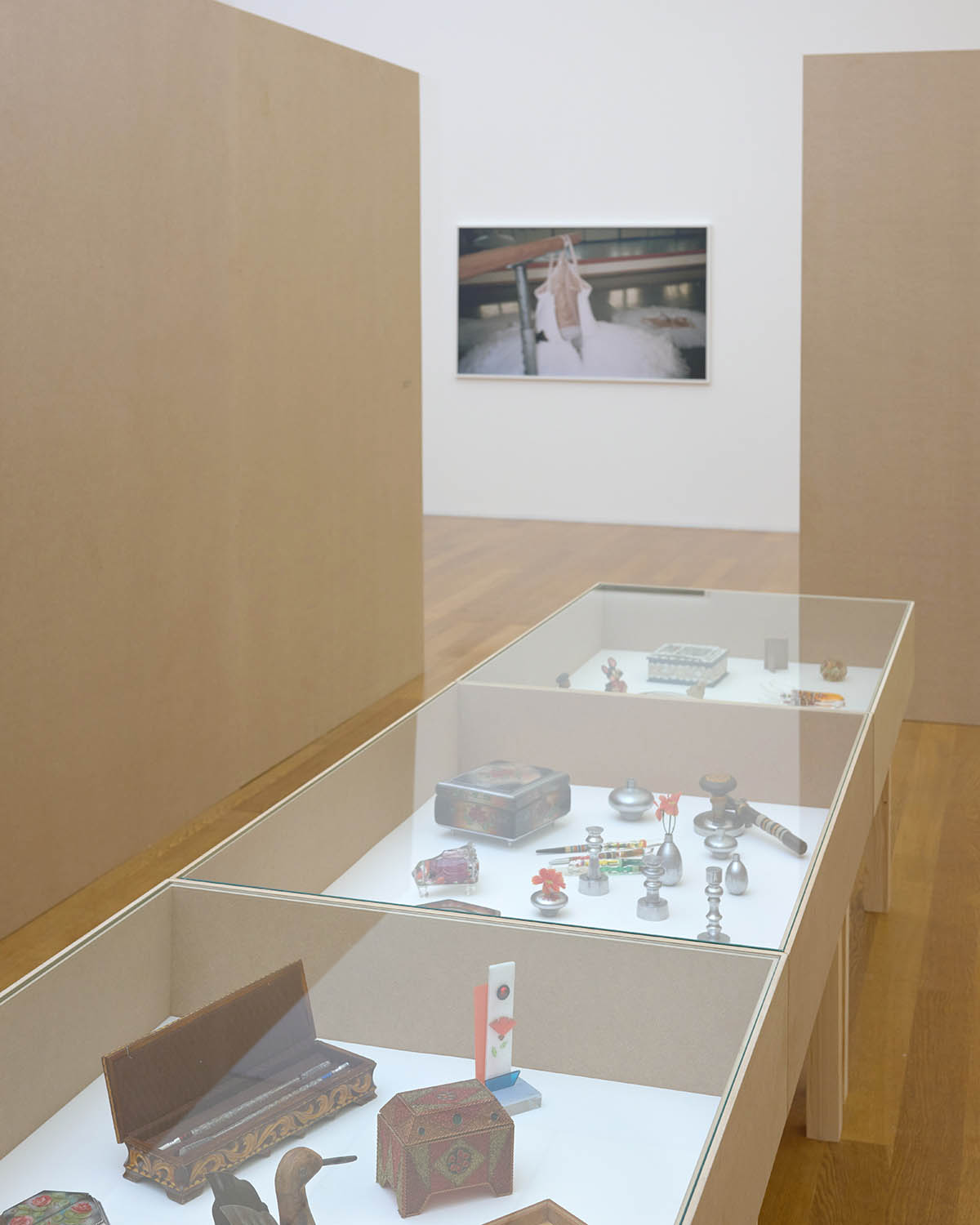
For the exhibition title, you were inspired by Jonathan Lear’s book Radical Hope: Ethics in the Face of Cultural Devastation. How would you describe radical hope in your words, and why is it important to be persistent in this hope?
The aspect of radical hope runs through several works in the exhibition. This is especially evident in Museum of Radical Hope (2026), a collection of handmade objects created by prisoners incarcerated in the Soviet Union. Made from whatever materials were available, these objects tell stories of suffering, confinement, and loss. And yet, their very existence demonstrates the strength to create under the bleakest circumstances, revealing a sliver of hope: a future, imaginable or not.
I found Lear’s idea fascinating. The question in the book is, „How can you even imagine a future amid this kind of collapse—social, cultural, physical?“ Radical hope is something you can’t even imagine yet, because, based on experience, it can only exist when everything around you is gone, when almost nothing is left, and yet hope can still be felt. This is what he calls “radical hope.”
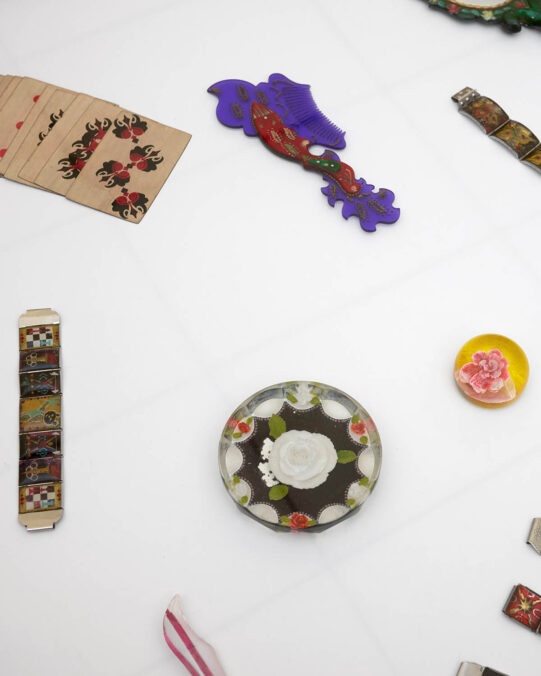
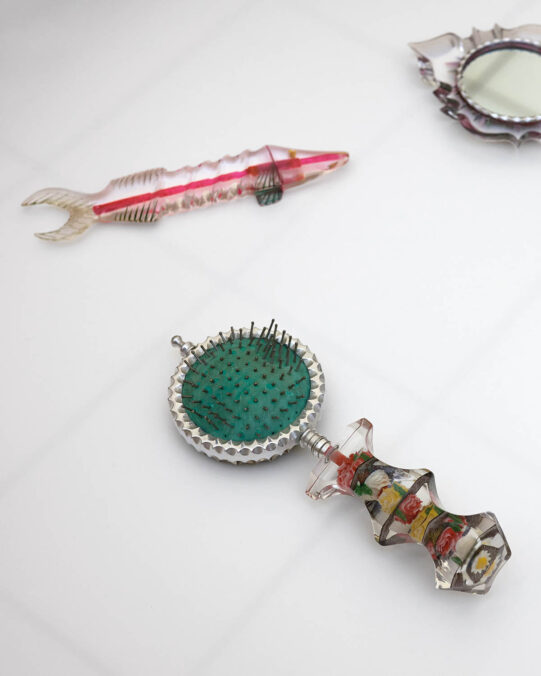
The prison souvenirs are made of a range of materials and different techniques, and they come from prisons in Kyrgyzstan, Ukraine, Russia, Armenia, and other former Soviet republics. How do you get hold of them?
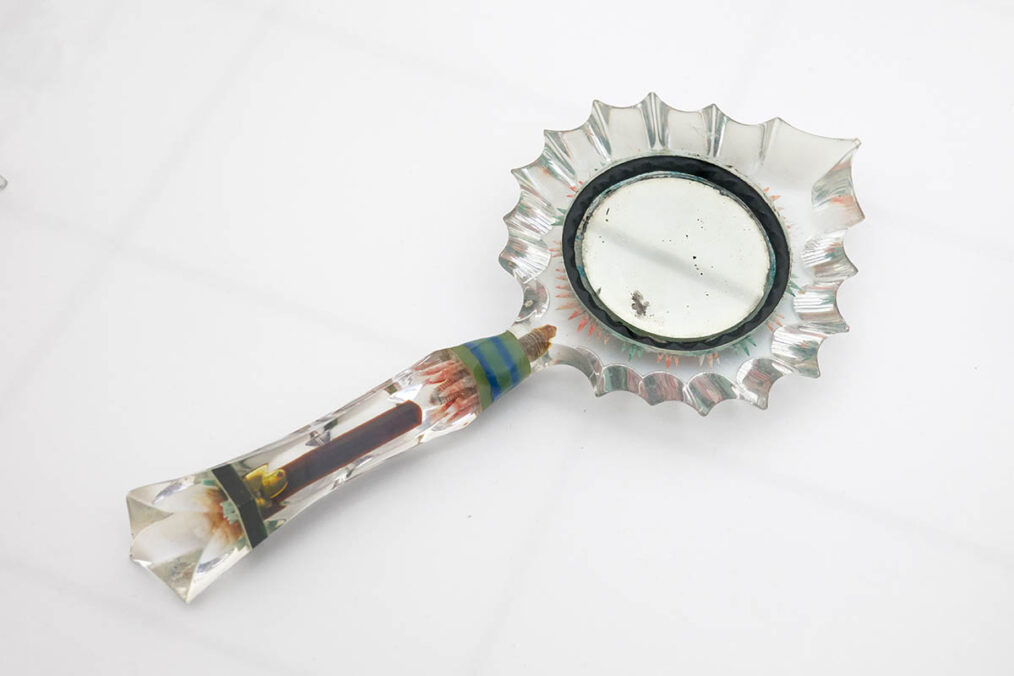
Since discovering them, I have found them on Russian online marketplaces similar to eBay. They’re like gemstones, so beautiful. They’re usually made of variously colored Plexiglas, or sometimes even from bread: chewed bread mixed with salt, which then becomes a plastic-like material, which is then painted with ink from ballpoint pens, or even blood in some cases, whatever was on hand.
Plexiglas, for example, was used in the Soviet Union’s military-industrial production, mainly for aviation equipment. Prisoners were put to work in these production sites and could smuggle out production residues. They secretly crafted objects from the material. The objects were valued not only for their beauty but also for being smuggled out of the prison to loved ones. Inside the prison, they circulated as a form of currency, forming their own small economy. They could be exchanged for cigarettes or tea.
Your immigrant background plays a central role in your artistic practice. Thinking about the idea of radical hope, when you had to flee to Austria in 1989, how did you imagine what lay ahead of you, if at all?
I had to flee; it’s not like I really wanted to. The notorious article “Article 70”, banning “anti-Soviet agitation and propaganda”, was used against us; the very last such case was when this article was used in the history of the Soviet Union. Dissidents from Leningrad and Moscow founded the first opposition party back then, and I was involved in it from the very beginning. My partner and I published the party newspaper every Saturday in our apartment for a year and a half. One day the KGB came to search the apartment, and an investigation was opened. Their search of our 33-square-meter apartment took almost ten hours, and they took my artworks back then, the whole archive, everything. There was constant reporting about us, from all sides, in part by Western émigré outlets and Radio Svoboda, but also in official media. I once asked the journalist who reported on us from Munich why we were in such focus, and he said everyone was watching because it was the time to see whether the screws would be tightened again in Russia. We were summoned for interrogations, our home was searched, and my parents and teachers were questioned, too. We no longer felt safe sleeping at home, and the constant pressure eventually forced us to flee. Vienna was a coincidence. We wanted to go to West Berlin; it was still a few months before the Berlin Wall fell in May 1989.
How did you end up in Vienna?
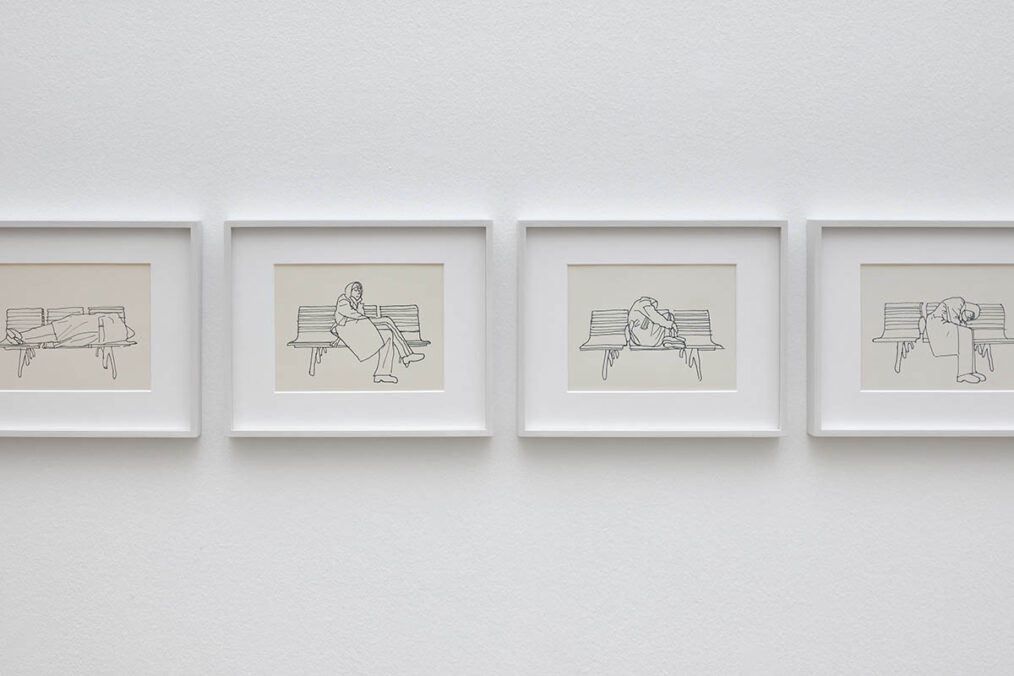
I had never been abroad before. When we arrived in Warsaw, we had an address in Krakow that had been given to us. We had spent the last of our money getting there and knocked on the door of a woman we didn’t know, Alexandra. She opened the door and took us in. From that point on, she helped us and made it possible for us to reach Vienna. First, we said we wanted to go to West Berlin, and it was not possible, so she got an idea to flee to Vienna. She bought bus tickets for herself and us on a shopping bus to Vienna. She also arranged visas for us and accompanied us on the journey. We arrived at Vienna’s Westbahnhof train station without money, without anything. I later made a work about this experience, about sleeping and living at Westbahnhof for days; the work is titled Research for Sleeping Positions (2026).
You are a professor of experimental art at the Art University of Linz. And you represented Austria at the Venice Biennale in 2024. Looking back at the different stages of your life, how do you reflect on the path that has brought you here?
I wouldn’t want to have missed much of what I have experienced, because maybe I now see the world differently because of it. But when I present myself in this context, my personal story is not the focus. I want to raise awareness of all those who are forced to flee, and encourage people to see them differently.”
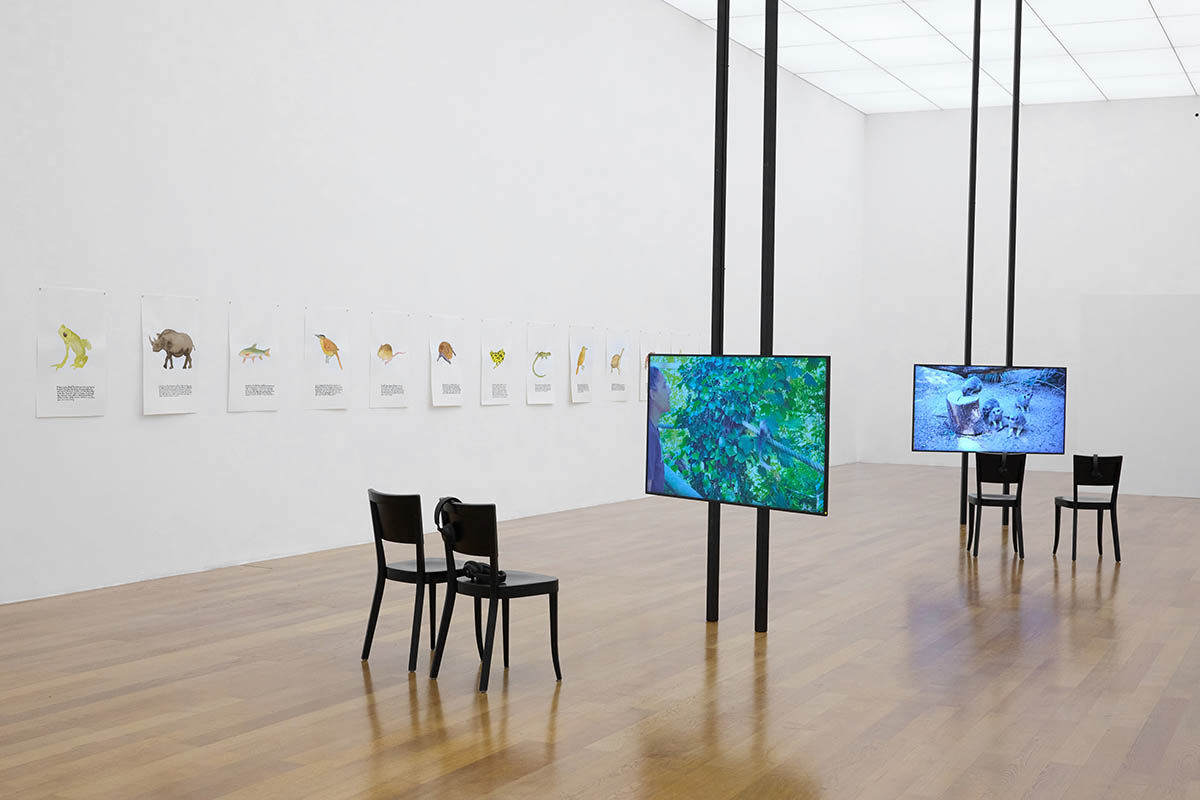
There’s a whole range of media in the works exhibited, but the works themselves do not address the technical aspect of the media used, but use them for conceptual reasons. For example, Last Seen Since 1970 (2025–ongoing), it isn’t about the technique of watercolor painting as such, but about the entire narrative behind it, the idea behind it. When I look at your works from this perspective, it feels like reading a memoir. It has this strong narrative aspect, which is deeply rooted in the reality of your life. Did you think about publishing something like a memoir? Do you like writing?
When they saw my watercolors, people were surprised that I painted so realistically. In the Soviet Union, I learned classical painting. In Vienna, before getting accepted, I was rejected five times by the Academy of Fine Arts. There I discovered this new medium for myself: video, photography. I developed a passion for the medium, and for a long time it came to dominate my work. Now, when it fits conceptually, as with the animal series, I return to what I learned. Important for the concept of Last Seen Since 1970 is that I paint the works myself, rather than having someone else paint them. This makes the work even more personal.
Regarding writing, I write many notes and also a lot of personal notes. When it comes to writing a memoir, I don’t like writing enough for that. While working, I don’t start with the medium at all. I develop concepts, and afterward I look at which medium they can be realized in, whether video, drawing, or something else. This is how I learned it, and this is how I teach, too.
Exhibition: Anna Jermolaewa – Radical Hope
Curated by Christiane Meyer-Stoll and Henrik Utermöhle
Exhibition duration: 30 October 2026 – 29 March 2027
Wednesday, 24 March 2027, 7–11 pm:
WEDNESDAY XL
Jukebox
Artist talk with Anna Jermolaewa and Christiane Meyer-Stoll, followed by a concert featuring the Liechtenstein School of Music’s jazz and pop choir Scream and Shout, conducted by Johannes Uthoff. The evening concludes with a DJ set by Heinz Mühlegg.
An extensive catalogue will accompany the exhibition, produced by Kunstmuseum Liechtenstein.
Address and contact:
Kunstmuseum Liechtenstein
Städtle 32, 9490 Vaduz, Liechtenstein
www.kunstmuseum.li
Anna Jermolaewa – www.jermolaewa.com, www.instagram.com/annajermolaewa2/
View all upcoming events here.