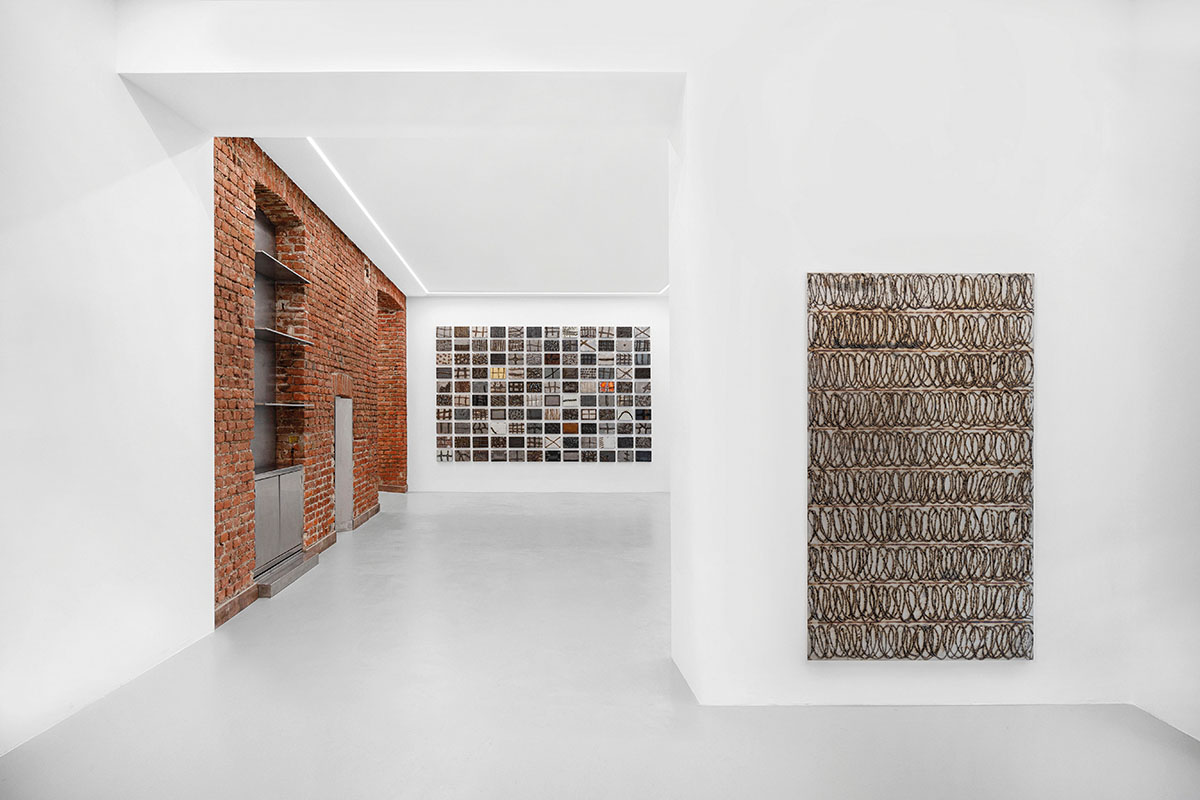
What does participating mean to you today?
Very important, especially as we have just opened a second gallery in Milan. This is our second time taking part, and our goal is to become part of miart and grow alongside the fair and Italian collectors.
Is it a platform for research, a marketplace, or both?
miart is an important marketplace, but also an opportunity to present something new. For example, it’s the first time we are bringing Winnie Mo Rielly to the fair, and we want to use this occasion as a research moment for the gallery—to experiment with new dialogues between our artists, something we cannot always do within the gallery space. It’s really both.
What criteria do you use to select the artists you present at the art fair?
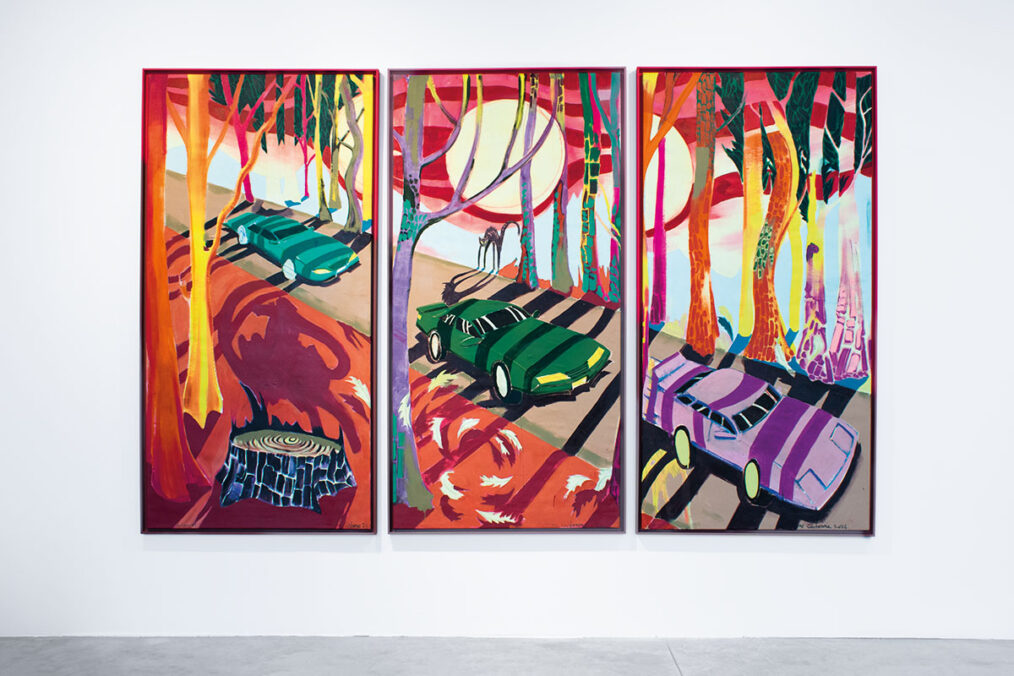
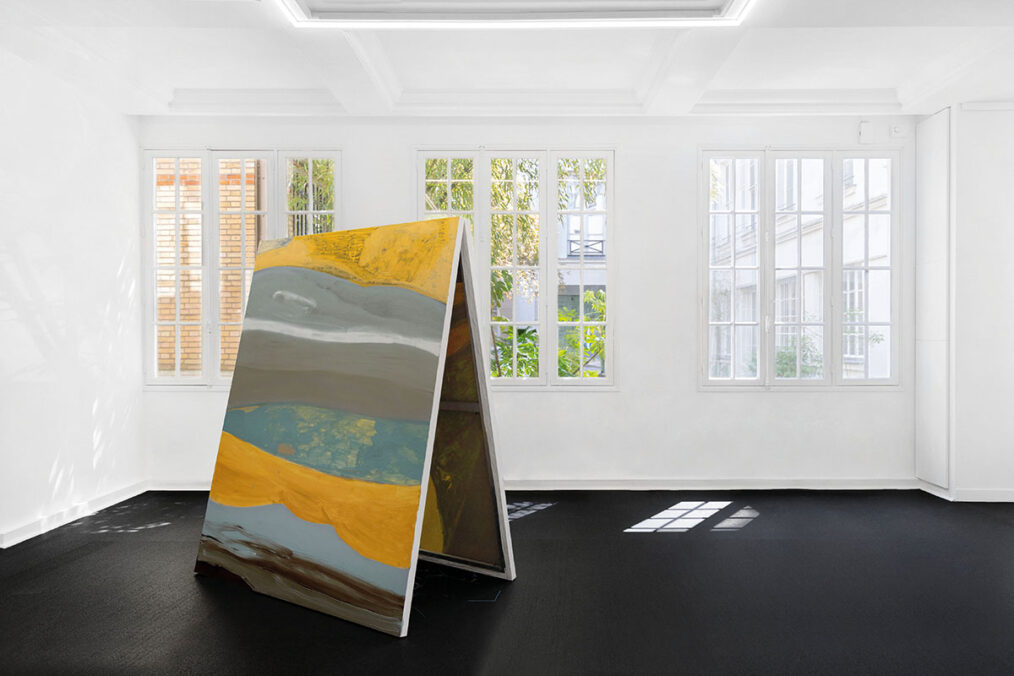
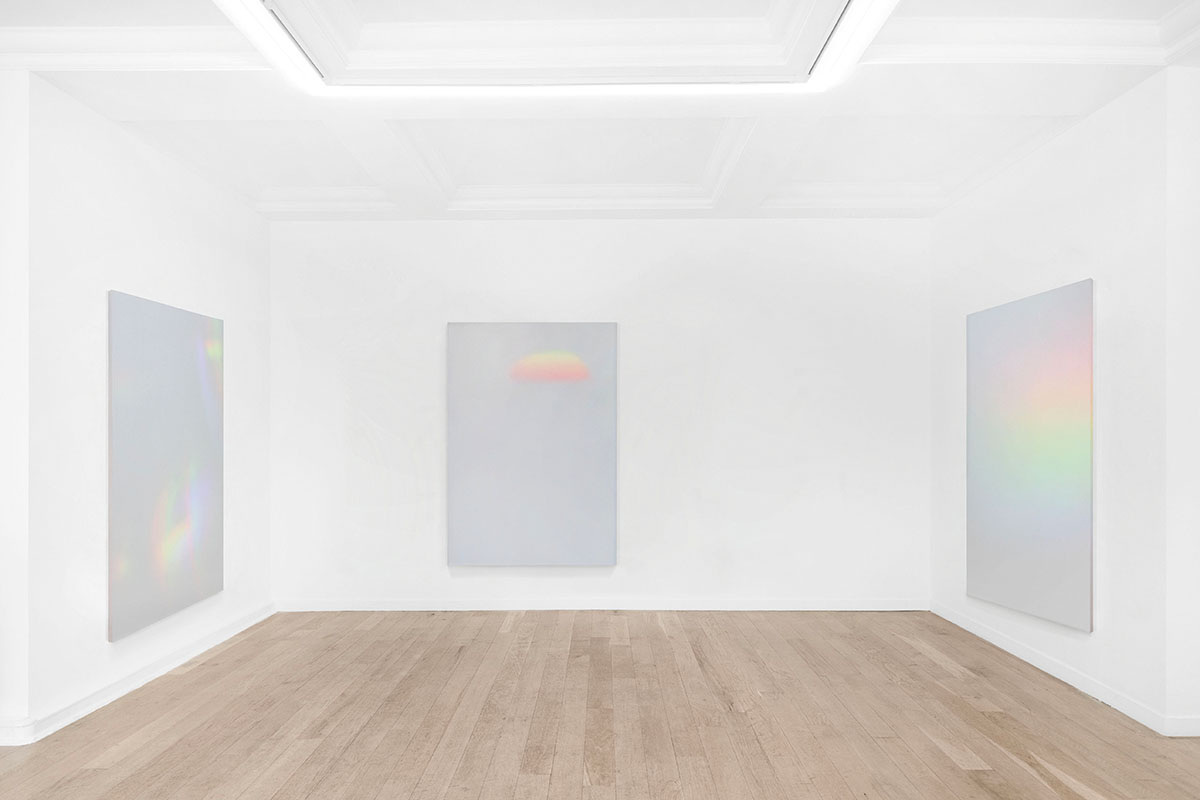
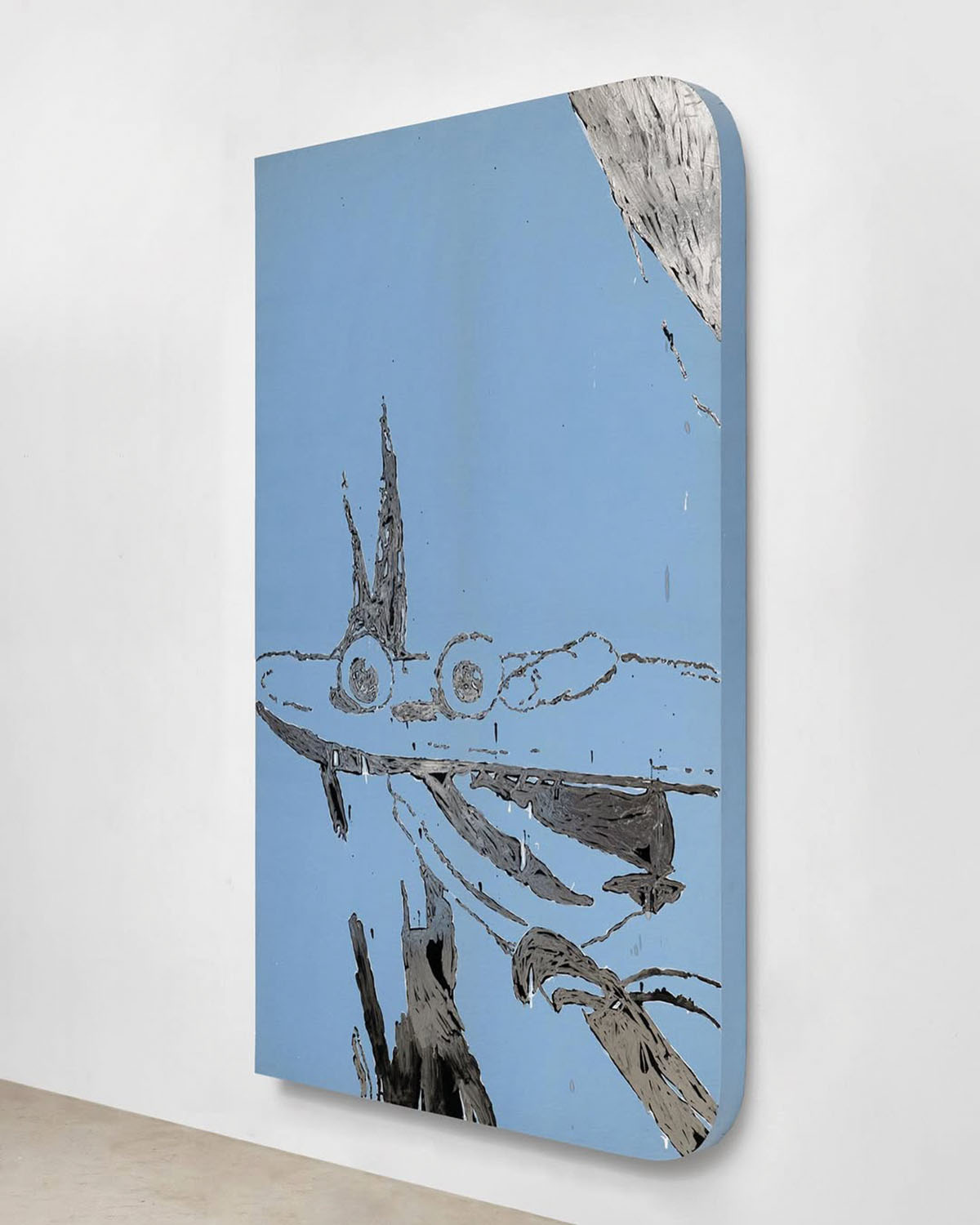
We took miart as an opportunity to work with artists we have never collaborated with before, or with whom we don’t work often, to show what the French scene—particularly the Parisian one—can bring. We selected Antoine Carbonne’s large figurative paintings, Louis Jacquot’s minimal works, Winnie Mo Rielly’s sculptural photographs, and a sculpture by Matisse Mesnil, who is currently exhibiting in our Milan space, creating a link to the fair. The idea is to present four different artists working across different media. We chose a truly multidisciplinary group.
What differences do you notice between Italian and French collectors?
From our experience, French collectors enjoy buying and supporting international artists. Italian collectors also buy internationally, but they strongly support their local scene. French collectors tend to take more time—they often come back more than once before acquiring a work. For Italian collectors, the coup de cœur (love at first sight) approach seems to work more often.
What is the most challenging compromise between artistic research and the market in your work?
As a gallery, we have an economic reality to consider, but the curatorial aspect is extremely important to us, and it involves a great deal of care and research. We always aim to find a good balance between the two, without ever betraying our identity.
What makes a stand successful beyond sales?
It’s when we achieve a strong cohesion between all the artists in the booth. That’s why we usually exhibit within 40–50 square meters and choose to present no more than four artists: we want to maintain this sense of cohesion and think of the booth as a group exhibition rather than a commercial stand. We want visitors to recognize that the space has a clear identity and has been thoughtfully conceived by our gallery.
How would you describe the stand you are preparing in three words?
Multidisciplinary, eclectic, sculptural.
Paris has returned to a central position in the contemporary art system. Is Milan a real alternative or a secondary context?
We know that Paris is rising again and is central to the art world today, but we believe Milan is moving in the same direction. Many new galleries and foundations are opening, and the fair is doing strong work on programming and communication. Milan represents a real opportunity: our Paris space is beautiful, but not as large as our Milan gallery, which allows us to develop more institutional-scale exhibitions and allows our artists to present works they could not show in Paris.
What music would ideally be playing in your stand?
I would choose music by Daniele Rienzo, an artist who created an installation with Matisse Mesnil for his solo show in our Milan gallery. His work is very experimental, with layered sounds and complex rhythms, which align with our curation.
Romero Paprocki – www.romeropaprocki.com. www.instagram.com/romeropaprocki
Romero Paprocki was founded in 2020 by Guido Romero Pierini and Tristan Paprocki, who first collaborated by choosing spaces for their museum-like scale in order to offer a first visibility to emerging artists and match the quality of the works that are being displayed in them. After the opening of the first gallery venue in Le Marais in 2022, they focused on mid-career artists with a steady desire to formulate a discourse both scenographic and legible at the artists‘ service. Romero Paprocki continues its mission to host compelling exhibitions for its diverse cast of rising artists, while fostering creativity and inspiring the Parisian community, and beyond, thanks to international art fairs.