How long have you been in Zagreb? Tell us about your beginnings.
I’ve been in Zagreb on and off since 2014. When I applied to the Academy of Fine Arts in Zagreb, I was more interested in figurative painting; during my studies, I received excellent technical training in painting. At the beginning of my studies, I was inspired by video games, animation, and everything I saw on screen. I traced things from screens, which eventually resurfaced. Works seen in the current exhibition THE SAME PLACE at Kolekcionart in Zagreb were also developed through my use of online maps, almost as an anchor point. I kept myself grounded in one place and knew where each image was coming from during the process.
Over the years, murals have always fascinated me. Eventually, this led me to consider that my works could exist in public spaces so people wouldn’t necessarily have to enter galleries or museums to experience art. I really like that approach. Often, people are surprised when they are suddenly confronted with art in public spaces, completely unprepared, and once they’ve seen it, the artwork stays with them more strongly.
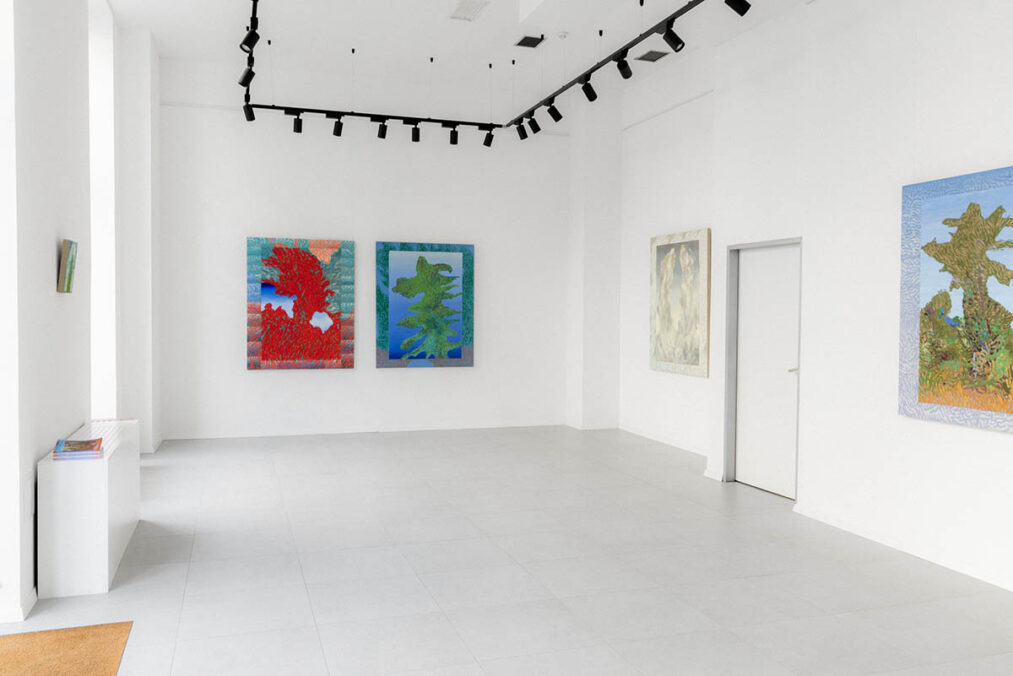
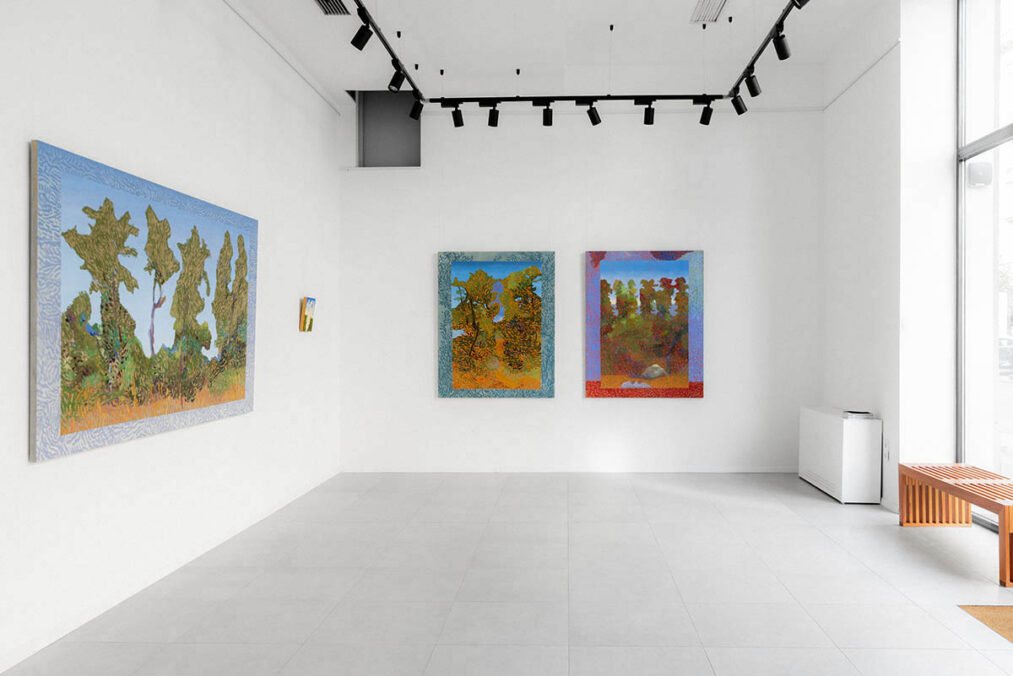
So, after finishing my studies, I did murals for three years. My first work in a public space was in collaboration with various street and music festivals. After a while, I realized I was building one style through the murals and an entirely different style in the studio, and it was difficult to connect the two.
Eventually, I set the murals aside and focused on painting practice. I concentrated on oil painting. At the time, it was important to me to experiment more and more and develop my own style. I think there’s always this pressure to prove your ability as a painter. I wanted to see what would happen if I let go of the idea that everything had to be perfect and allowed my paintings to feel more personal.
Can you explain the moment you recognized the specific brushstroke technique as your signature?
I paint every day. It’s a free line I have, but I need to go through many steps to get to the flow and freedom visible in these works. I like to think about something a lot before I make a move; that’s why I write alongside my drawing practice. The hours I spend painting vary; sometimes it’s just an hour, sometimes half the day. I have been learning to stop when I feel I should, when nothing is happening anymore.
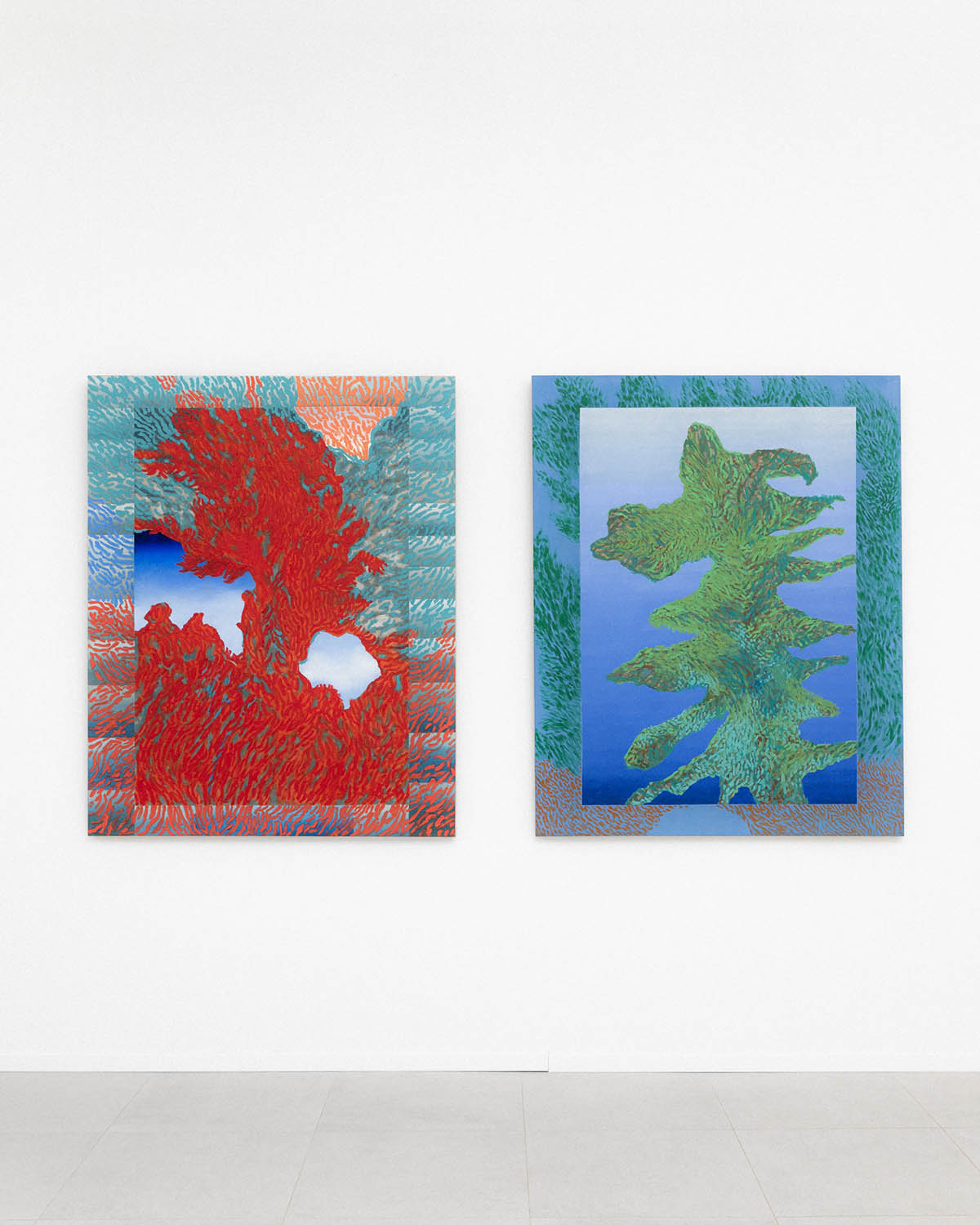
There’s this moment in painting where I feel like I’m writing rather than painting. I’m putting down thoughts, and I’m confident about them. That’s when the painting starts to make sense: the way writing makes sense.
What’s your process for capturing your ideas?
I constantly have a sketchbook with me; it’s a big part of my everyday life.
Your paintings are connected to the most fundamental elements of painting: line, the movement of the line, color, light, and composition. Even though these elements drive them, they ultimately don’t look traditional at all. What I’d like to hear about next is THE SAME PLACE, your solo exhibition about this place you kept referring to throughout all the works on view.
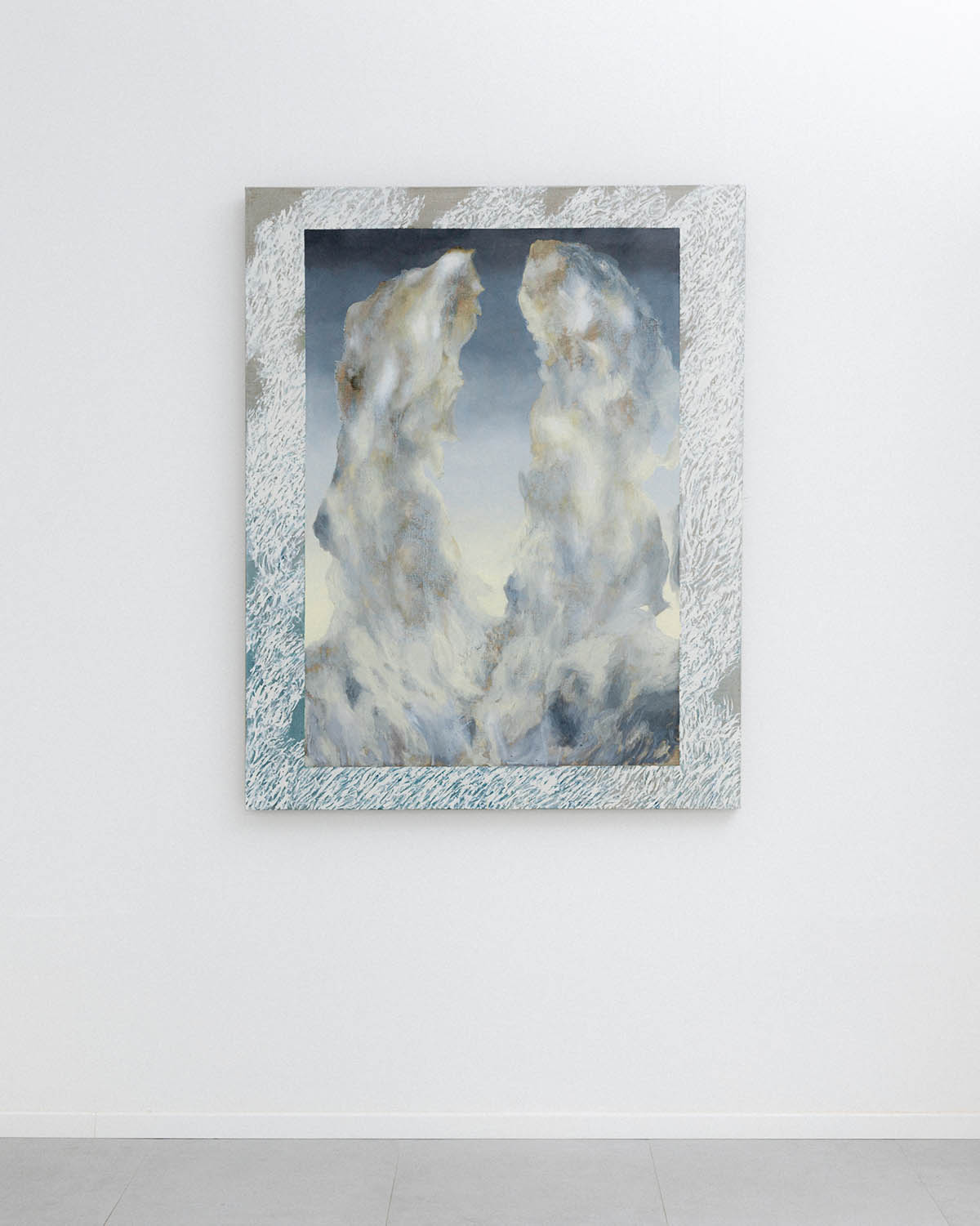
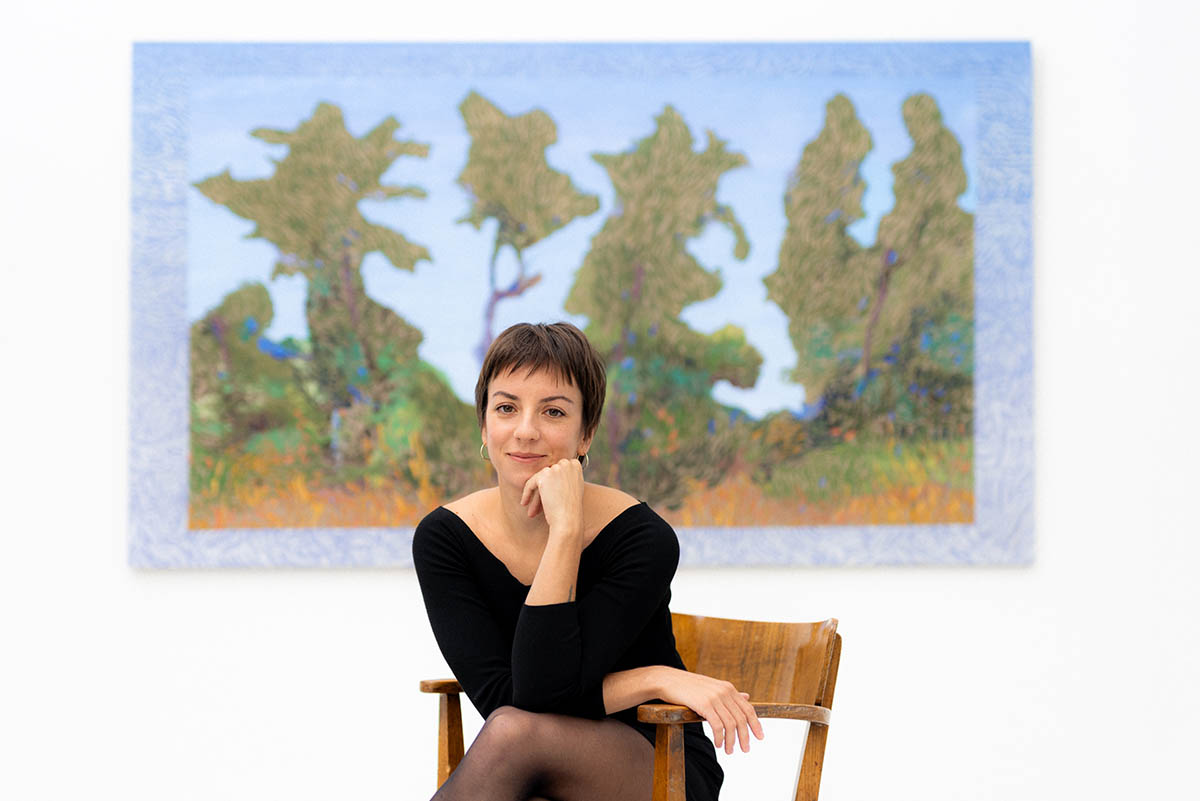
Many of my works start from this idea of giving meaning to something until it becomes important. The whole point of painting for me is to make people look at something they usually wouldn’t and try to make them understand why this specific thing matters to me.
I grew up in Zadar, a small town on the Croatian Adriatic coast, and there’s a special place in the city that served as the conceptual basis for every work in the exhibition. What I also liked about this place was the fact that nobody had an opinion about it. Nobody had ever said to me, “Oh, this place is beautiful.” But I attached significance to it because it had become so important to me. I don’t want people to know exactly where it is, because that’s not what the exhibition is about.
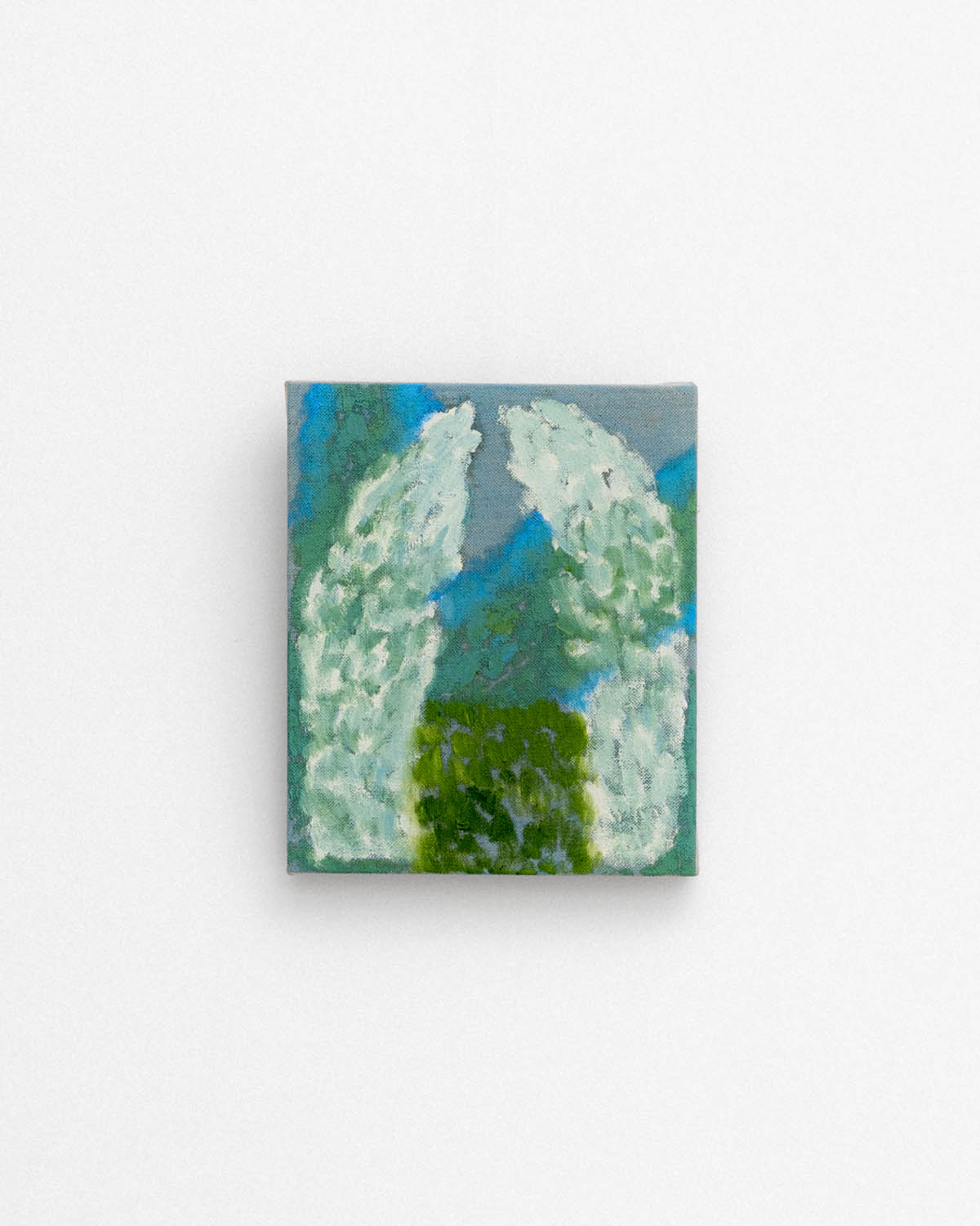
While preparing for the exhibition, many memories of this place came alive. With the help of satellite images and maps, I then explored it in even more detail. In reality, it is a group of trees near my neighborhood. It always reminded me of a scene from Da Vinci’s Virgin of the Rocks, a sense of shelter, or a safe space. It’s fascinating that no place can ever look the same twice.
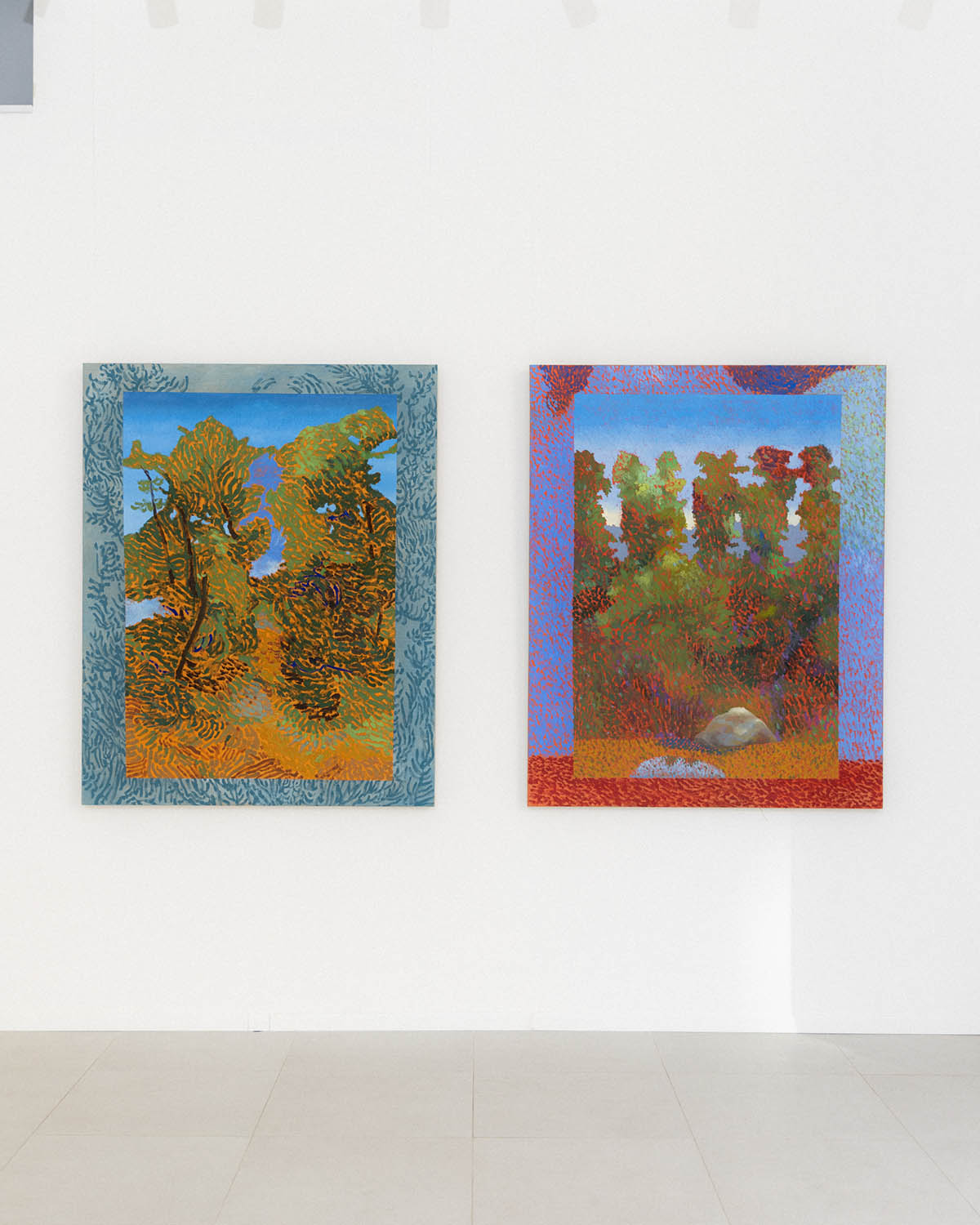
I realized that I’d been passing this place for a long time, and every time I saw it, it looked unchanged. But I was a different person each time I passed it. I used that place as a kind of checkpoint, or an endpoint for my journeys. Journey, getting from one place to another, and the passing of time: those are important themes in my work. I decided not to take any photos of it because I could remember it clearly. However, while painting these ten paintings, I kept maps open on the spot the whole time. Each painting became one state of mind. I imagined what the place would look like if I felt the way I was feeling in that moment, saw it the way I had seen it back then, and so on. I’m in favor of filtering emotions through space. I wanted to pick a motif that feels approachable, something anyone could relate to. A story around it; for example, a tree has become a strong symbol in this series.
Do you believe this location also bleeds a certain ideal and romantic quality?
Even in melancholic scenes, there’s always a romantic edge. In this case, it’s me romanticizing one banal place. I always think I carry this big sadness or anger in me, but when I paint, I constantly try to make it beautiful. I can’t run away from this poetic instinct.
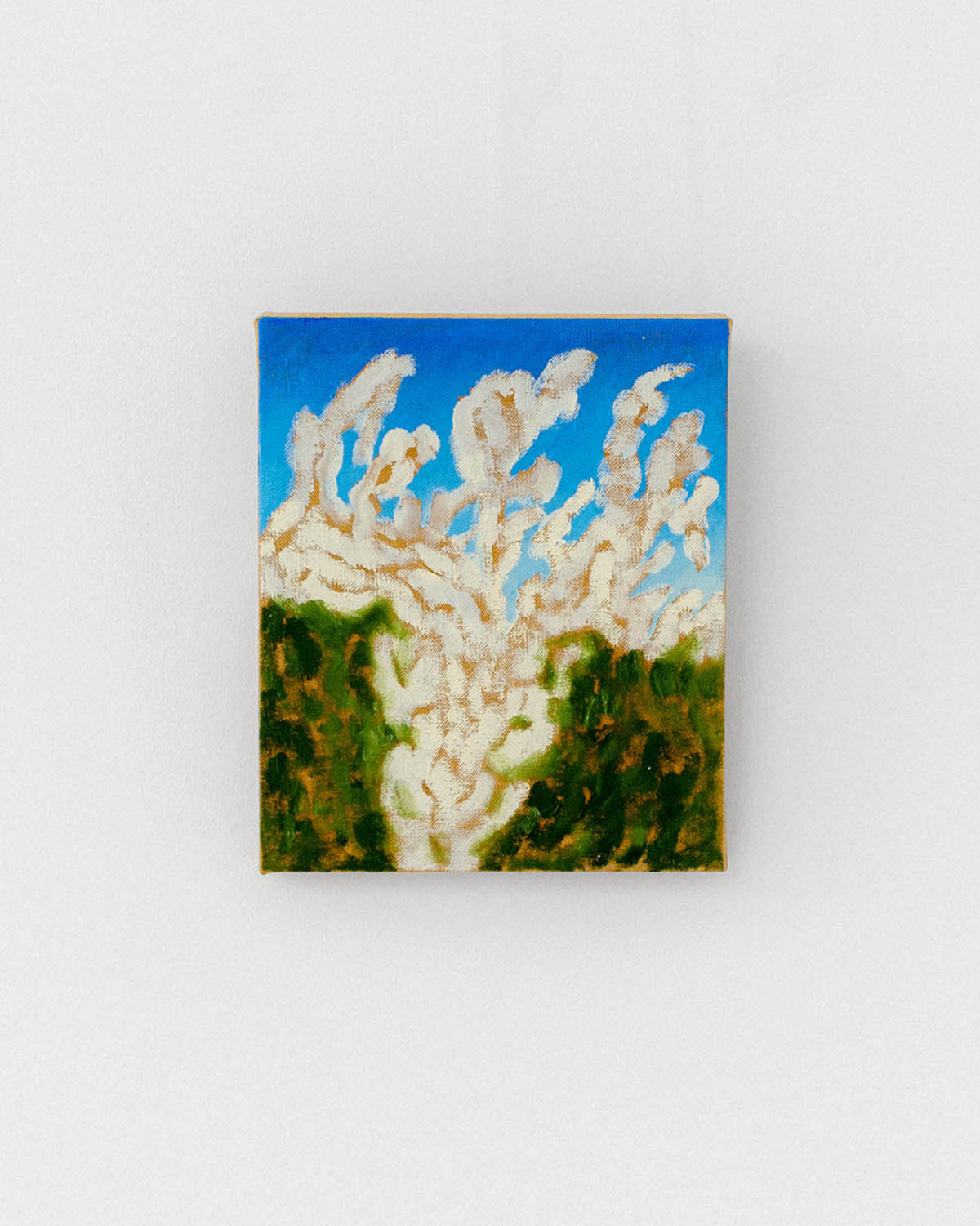
What is your general connection to nature? Do you think this special place is romanticized because you come from a smaller city closer to the sea? More natural surroundings, and now you live in a bigger and more urban city? There’s a longing or pull toward nature for you.
My parents are really into hiking and nature, and I never liked it as a teenager; I never appreciated how beautiful nature was until maybe the last few years. When I moved to Zagreb, I slowly started realizing how much I missed living somewhere with more accessible nature.
In nature, you have to let go of all the ideas you already have in your head and notice what your thoughts ultimately focus on. You can only observe. If I lived somewhere else, I probably wouldn’t even create this work. My studio is in the middle of city traffic and is surrounded by a gray environment, so naturally, I often have this idyllic image in my mind’s eye.
You seem to feel comfortable working in public spaces. That might not be the typical way painters work. How does working in public spaces differ for you from working alone in your studio?
Outside, I’d say there’s more pressure; it comes from the people around me. In the studio, the pressure comes more from me. Outside, people will always judge, but some of them aren’t connected to the art world, so their opinions can actually be more honest and sometimes even helpful. People outside the art world make you think about wholly different things than people who come to exhibitions.
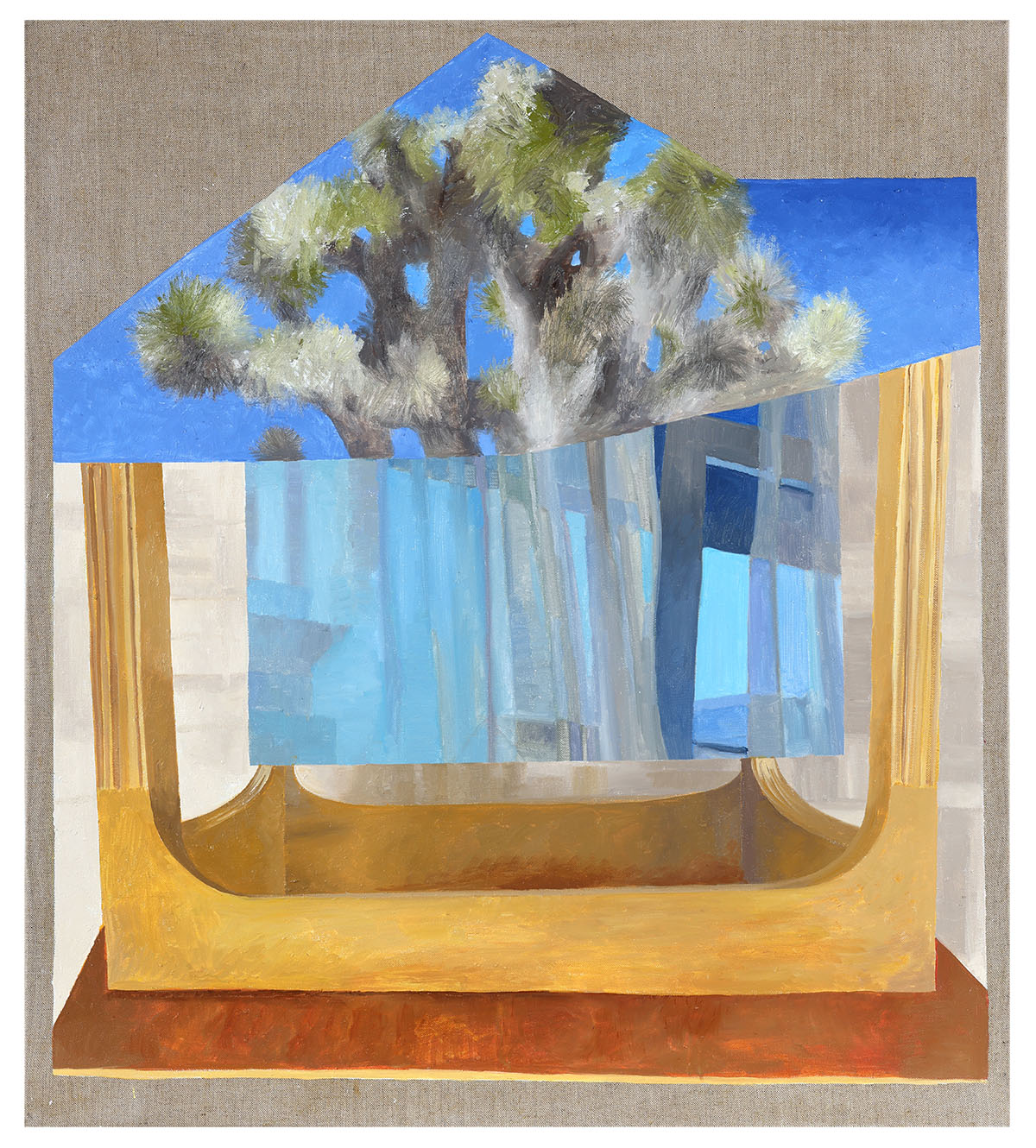
In the studio, I love the exploring part; not everything has to become a finished painting. Outside is the difference; what you do stays. In the studio, you can always paint over it or change it. For me, it’s a drastically different process. I was thirteen when I first painted outdoors. It was actually embarrassing; I painted the first motif underneath the security camera at school.
One of my favorite works of yours is from the series AM I THERE YET (2026). Can you elaborate on these works?
Those were my morning sketches. I’d draw the floor plan of a house, and each morning I’d fill in one or two rooms depending on how I was feeling. I wanted to be as honest as possible. Likewise, I’d fill it in based on how I felt that particular day and what I’d place in the room. I created these little houses of moods, I guess.
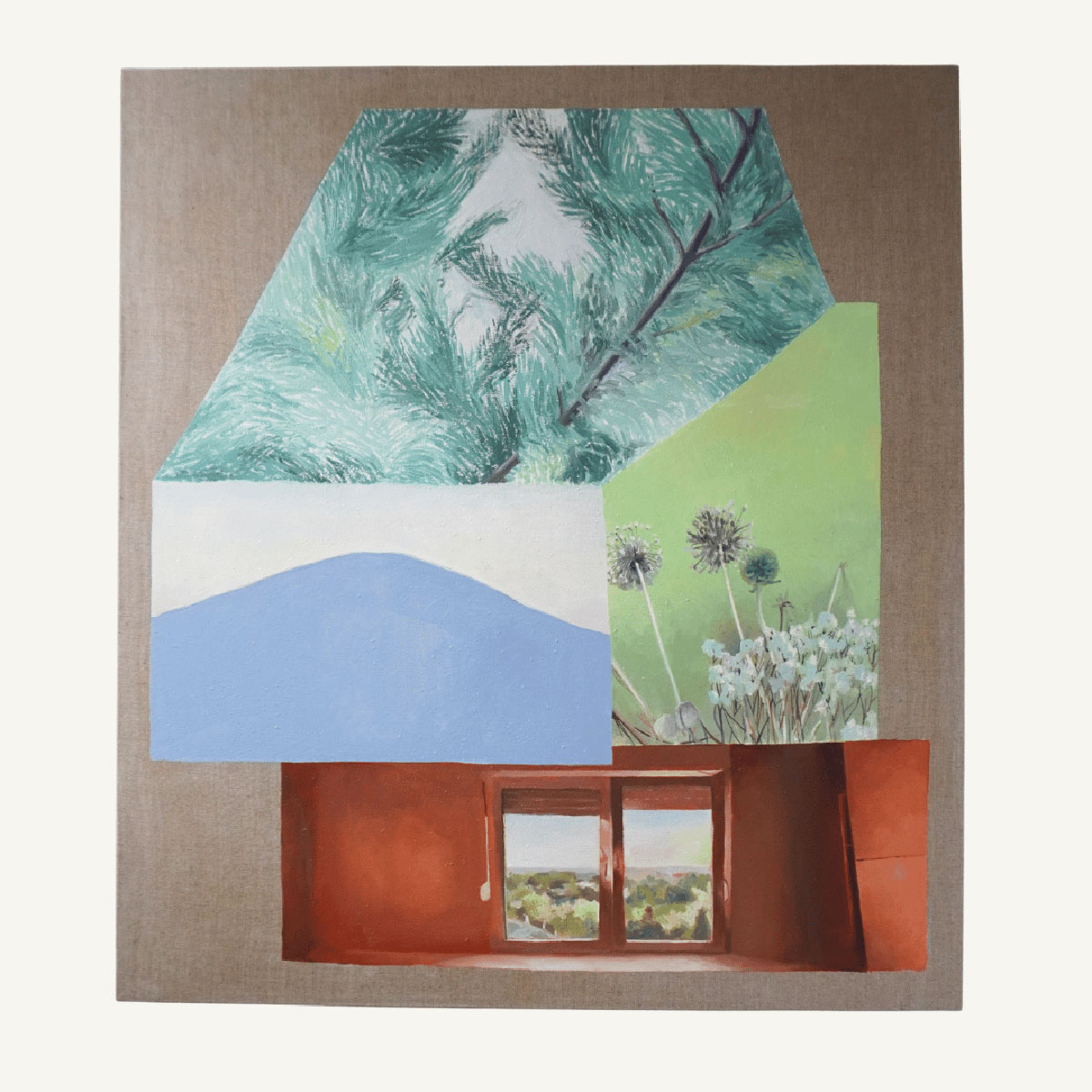
They’re full of harmony. It reminds me of the idea of the house in psychology: the mind as a house. All the rooms inside it have a meaning. Would you say some rooms represent specific aspects of your life, or are you drawn more to the emotional sensation itself?
It was more like a map of my thoughts and how I was going to get through troubles in emotional relationships. The title was inspired by my constant urge and a feeling like I need to be somewhere else. Like, wherever I am, I wonder if I should be somewhere else instead.
Maybe this is the nature of being an artist; if you were fully happy where you are, you probably wouldn’t make any work.
It’s good to keep exploring and not be fully satisfied with your work. But with this last series, I put an end to a particular circle; those works in THE SAME PLACE are some kind of end. Not an end like a straight line, more like a circle; I know where things sit within the circle now. The AM I THERE YET (2026) series was more about an endless journey, as cliché as that sounds.
How do you structure your practice? You said you work continuously. Would you say you work in series, finishing one and moving to the next? Or are you working on multiple projects simultaneously?
It ends up being multiple projects; some of them overlap in time. I have a plan for what I’m going to do, and then during production, I come up with an entirely new idea. If I collaborate with someone, a friend, or another artist, I usually bring in whatever I’m currently working on alongside their idea, and it opens up something new for me. But it always circles back to the same underlying concept for me: time. Whatever I make, this idea of time keeps coming through.
You mentioned you write yourself. Is it more fiction or more of a journal-style writing?
When it comes to my writing, it is almost always journaling about my life but also about thoughts regarding my work. I get a lot of inspiration from music; I find song lyrics inspiring. I also like reading about process, how something was made, and about art history.
I like storytellers, songwriters, and artists whose lyrics have a genuine narrative quality. A song feels more like an emotional rush; it’s condensed into that specific length—the feeling that the song’s music conveys to us. That’s how I feel when I paint; it comes out fast, even though I think about it for a long time before it happens.
Solo Exhibition: Alba Miočev: THE SAME PLACE
Exhibition duration: October 2, 2026 – October 24, 2026
Address and contact:
Kolekcionart
Ulica kralja Držislava 14, 10000 Zagreb
www.kolekcionart.com
www.instagram.com/kolekcionart
Alba Miočev – www.instagram.com/alba.miocev
Discover more about Alba Miočev at: www.kolekcionart.com/alba-miocev
Alba Miočev (1994, Zadar) completed her education at the School of Applied Arts and Design in Zadar before enrolling in the Painting program at the Academy of Fine Arts, University of Zagreb. As part of the Erasmus+ program in 2016/17, she studied at Ulster University in Belfast, and during an Erasmus+ traineeship in 2018/19, she worked as an intern at the GlogauAIR artist residency in Berlin. She has exhibited in numerous group shows and held eleven solo exhibitions in Croatia and abroad. In addition to traditional painting, she also creates murals. She is the recipient of the Erste Fragmenti 18 Audience Award (2022) and the Erste Fragmenti 20 Grand Prix (2024). She is a member of the Croatian Association of Fine Artists (HDLU) and lives and works in Zagreb.
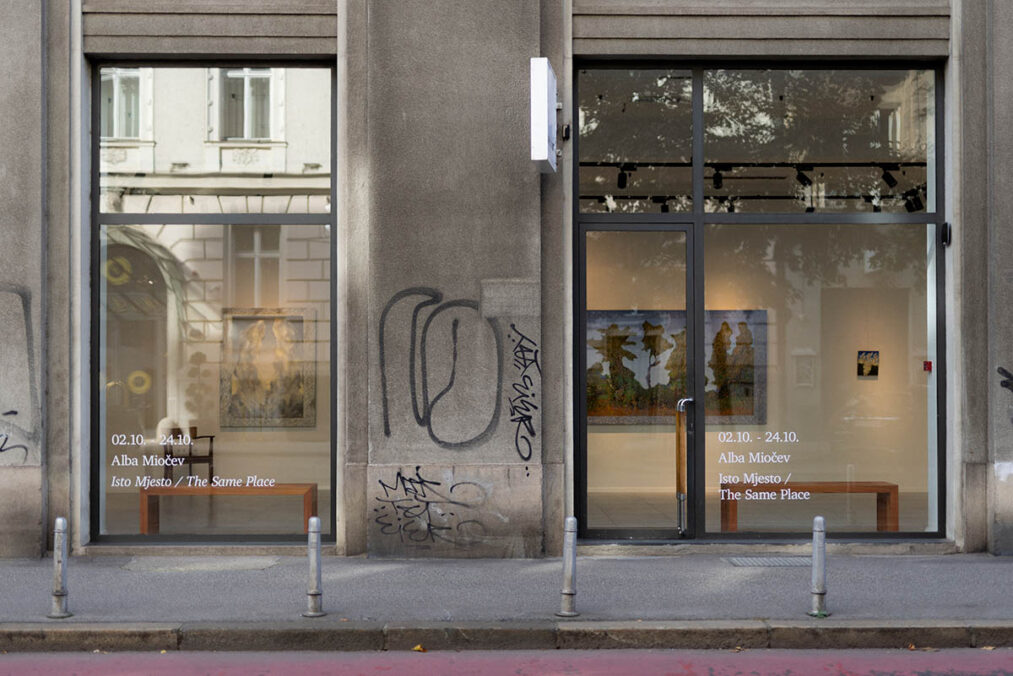
Kolekcionart: Four friends, Nikola Kolveshi Radlović, Bartol Fabijanić, Toma Trbuljak, and Filip Mojzeš, who have different backgrounds but share one strong connection: a love of art. After years of exploring the Croatian art scene and looking for emerging artists, they decided to launch a platform. Kolekcionart was founded in 2023 and is based in Zagreb. It is Croatia’s first digital art platform and gallery dedicated to contemporary art. The platform brings together a diverse range of promising contemporary Croatian artists in one place, making it easier for art lovers to discover and purchase their work.