This year, ETC. Magazine asks what it means to come full circle, exploring the unstable terrain between the history and present, the former subject to nostalgia and mythologisation; the latter to institutional selectivity. How much do structures of power shape remembrance and commemoration? What role do archives, memorials, and collective memory play, not only in mourning, but in mobilising? And how much of what we know about the past is fictionalised, mythologised, or otherwise misshapen and manipulated? As algorithms increasingly curate our understanding of history, magnifying certain narratives while burying others, what role does technology play in reshaping collective memory? Meanwhile, modern warfare, defined by drone strikes and AI-driven systems, repeats age-old patterns of violence while excusing its users from accountability. It leaves us questioning whether technology reveals cycles of oppression or brings new ones into existence.
When history is reduced to a slogan, is the responsibility to heed its message reinforced or diminished? “Never Again” might be repeated in classrooms, museums, and hashtags, but what does it mean when genocides continue to unfold, now with the eyes of the world observing the horror in real time? How do we, as witnesses, navigate the space between moral clarity and political paralysis? In this issue, the curatorial team wonder how not to succumb to feelings of helplessness, and what steps we can take to confront them. What does it mean to boycott, to refuse, as well as to act and be present, even when actions often feel small? In any case, the fight feels endless – countless historical examples precede the protests of today, and the rights people once struggled to obtain, the same ones we have perhaps come to take for granted, are under attack again and again.
Despite claims that we live in unprecedented times, there is much we could learn from history, past dynamics of power, and forgotten stories. „Full Circle“ invites us to consider the loop between memory and amnesia, past and present, reliving and erasing.
2026 PROGRAMME – FIRST LOOK AT HIGHLIGHTS
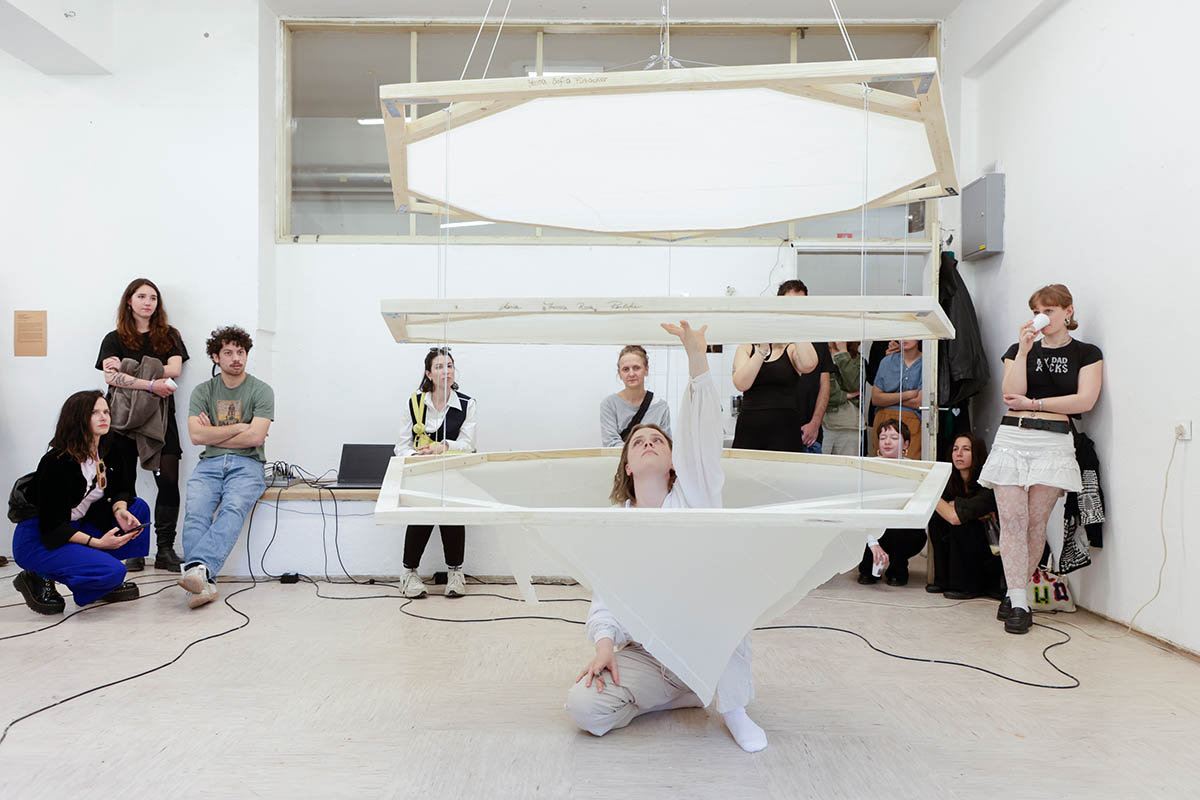
This year, they are collaborating with more than thirty partners and fifty art professionals. While the venues present an independent lineup of exhibition openings, guided tours, workshops, performances, discussions, readings and screenings, the main curated programme features established formats such as Artwalks, Meet Cute, Off the Map, Crit Club, LJUBAW parties and more.
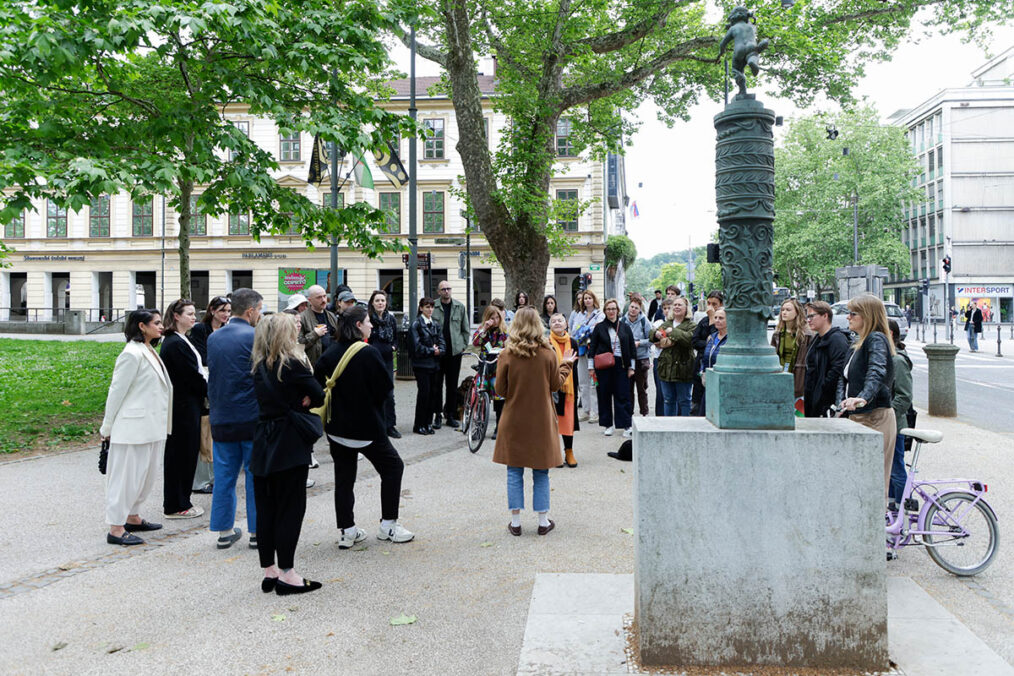
Artwalks, guided tours led by a range of experts, became one of our staple events. The walks „Nonument Group“ take visitors into different parts of town, some venturing off the map and exploring unconventional routes, temporary interventions, and sites that exist outside of the city’s traditional art map. The walks approach the city as a living archive, interpreted through the singular perspectives of each guide. This year, the visitors will be able to join in an exploration of spaces whose meaning has been transformed as a result of historical processes. They will be able to join a walking city tour titled „Ljubljana, Jugoslavija“ with Arne Zupančič, an editor and tour guide who operates under the Insider Tours brand, and explore the relationship between revolution and art, the canon, and Yugoslavia’s self- determination.
There will also be a well as seasoned ones will offer an in-depth look into the gallery scene in Ljubljana. The OFF THE MAP programme takes guests to more remote parts of Ljubljana and, through a curated walking tour, introduces the artistic initiatives and organisations in this area, offering an insight into how a particular community in the city operates. For this edition, we’re going to visit the iconic neighbourhoods Šiška and Fužine, set a short distance from the city centre.
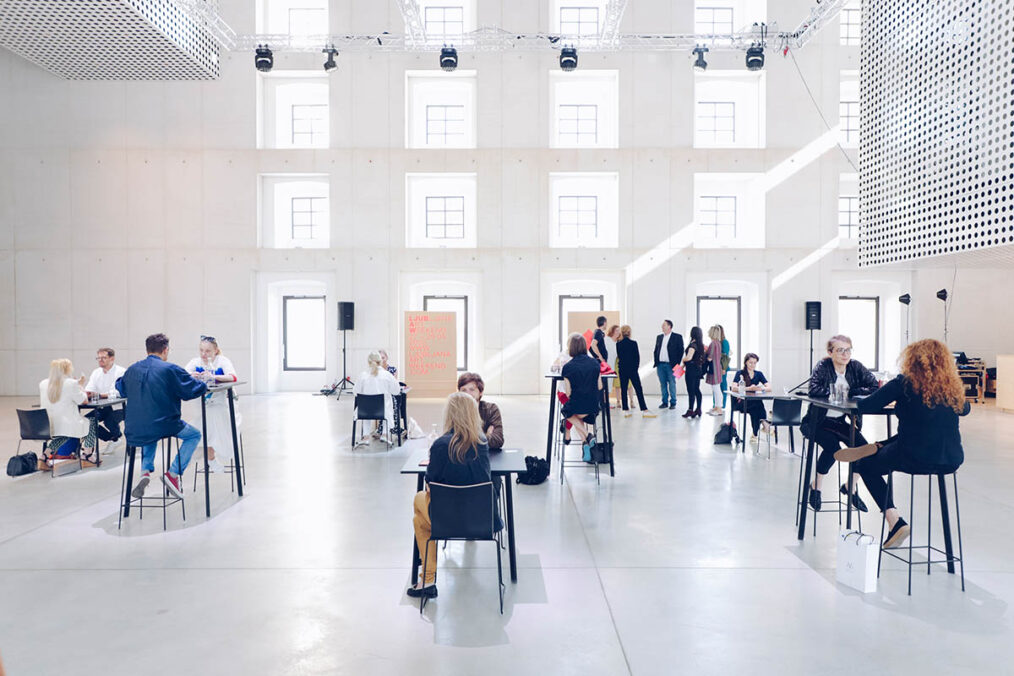
Another regular feature is Meet Cute, a networking event connecting artists and curators. Portfolio reviews present valuable opportunities for artists, as well as offering insight into the local art scene for international curators. The artists will be able to meet with Alenka Trebušak (curator, Cukrarna Gallery), Maja Antončič (curator, Centre for Contemporary Arts Celje), Róna Kopeczky (artistic director, acb Gallery), Antonina Stebur (independent curator), and Biljana Ćirić (independent curator).
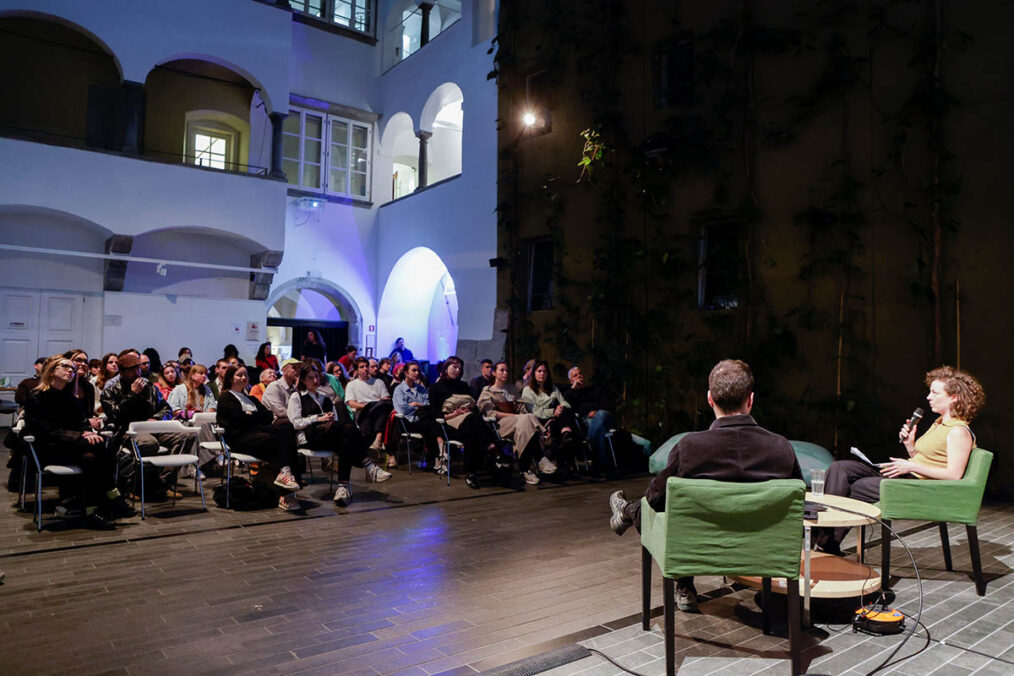
Crit Club, a signature format by artist Cem A. For its LJUBAW One of this year’s highlights, Crit Club will take place in Sokolski dom Tabor, the city’s historical sports hall, accompanied by a fencing event that frames the debate moderated by Kate Brown, while local and international art professionals Stephanie Bailey, Manca G. Renko, Alenka Pirman, and Andrej Škufca face off on two opposing sides. As the performance unfolds, speakers must navigate an impossible scenario. Cem A. is an artist with a background in anthropology. He is known for his performances and site-specific installations, as well as running the art meme page @freeze_magazine. His work explores themes such as virality and performativity, often through collaborative projects. Kate Brown is a senior editor at Artnet News, covering the art market, conducting investigations, reporting from major fairs and biennales, analysing industry trends, and profiling key figures shaping the field. Stephanie Bailey is Ocula Editor-in-Chief, a contributing editor to ART PAPERS and LEAP, and the current curator of the Conversations at Art Basel Hong Kong. She also writes regularly for Artforum International, Yishu Journal of Contemporary Chinese Art, and D’ivan, A Journal of Accounts. Manca G. Renko is a Slovenian historian, cultural critic, editor and essayist, whose work bridges academic research and public cultural engagement. Alenka Pirman is a visual artist, collaborating with various museums. She is a founding member of the Domestic Research Society, which engages in collaborative and interdisciplinary research on contemporary art and heritage. Andrej Škufca is a visual artist whose works present themselves as a network characterised by fiction, technological design, industrial fabrication processes and synthetic materials.
Central exhibition of LJUBAW, curated by ETC. Magazine and guest curator Vasil Vladimirov, will feature various artists who explore how their personal histories are shaped within broader socio-political circumstances, such as migration, war, and perceptions of national and regional borders.” The exhibition will be accompanied by a brunch event and discussion with the Center for Peripheries about neighbourly relations: from fleeting solidarities and micro-conflicts to transnational movements.
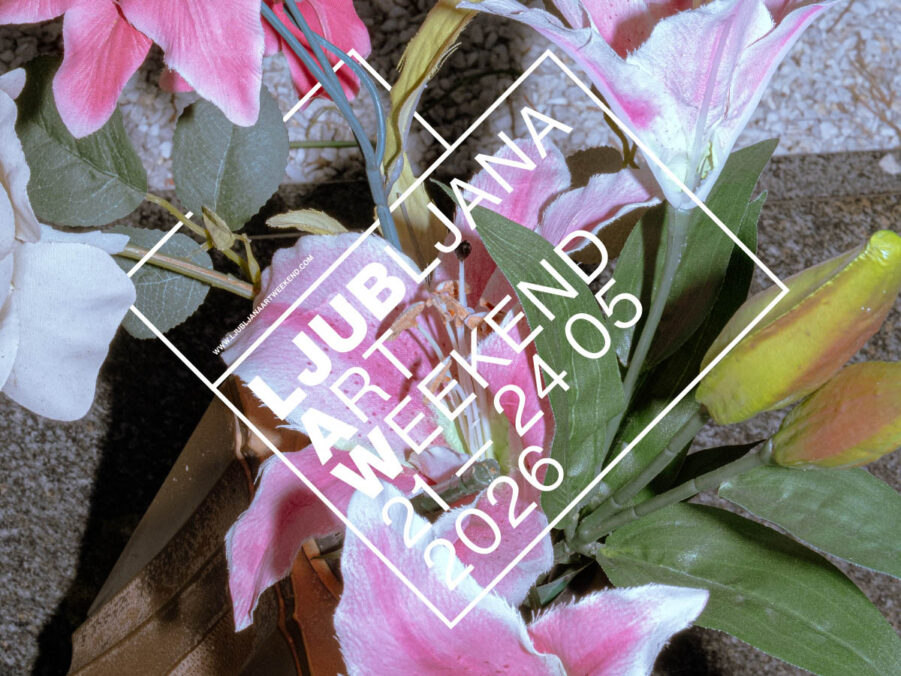
THIS YEAR’S VISUAL IDENTITY
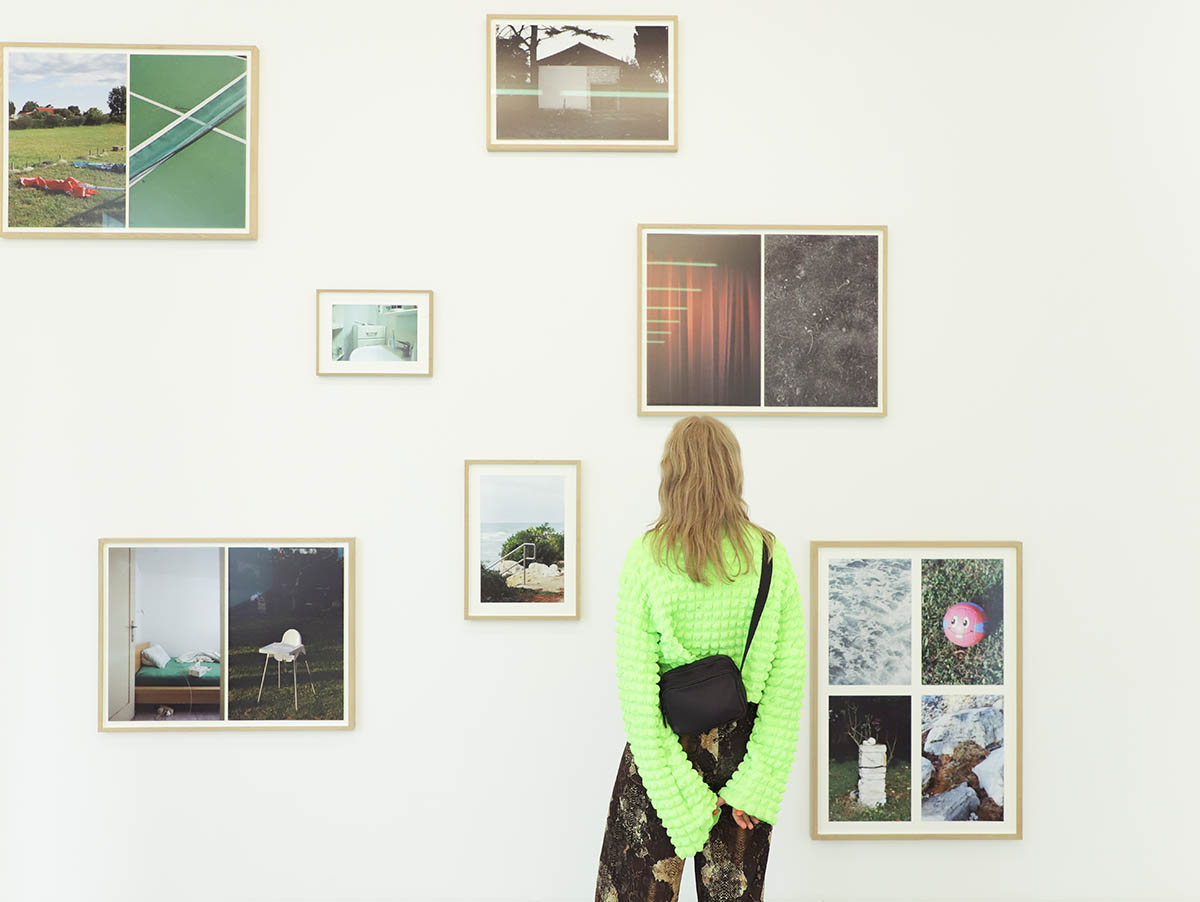
Eva Bevec’s photographic series In Loving Memory of the seemingly joyful motif of flowers belies a deeper meditation on the inescapable cycles of repetition, ritual, and mortality. Commissioned for this year’s edition of Ljubljana Art Weekend in response to the theme of Full Circle, the series is a reflection on how we collectively manage memory and amnesia, and the place of traditions between helping us to process loss and merely underscoring our tendency to repeat the same gestures, as a kind of social muscle memory.
Ljubljana Art Weekend 2026
„Full Circle“
May 21–24, 2026
For more information, please visit www.ljubljanaartweekend.com, where additional programme details will be updated over the coming weeks.
Ljubljana Art Weekend is a four-day annual event, founded by RAVNIKAR Projects in 2021, that takes place across more than thirty locations in Ljubljana. The platform aims to foster interconnectedness between local public institutions, as well as to present a broader scope of arts practices. It presents a curated programme with participants that includes galleries, public institutions, artist-run initiatives and project spaces. The result is a distributed, decentralised snapshot of Ljubljana’s contemporary art ecosystem, one that emphasises the diversity of approaches and communities that shape our cultural landscape.
RAVNIKAR Projects is a non-profit arts organisation dedicated to fostering emerging and established voices in contemporary art. As a dynamic platform, it forges vital connections between independent artistic practices and the wider cultural landscape, nurturing dialogue, engagement, and critical thought.
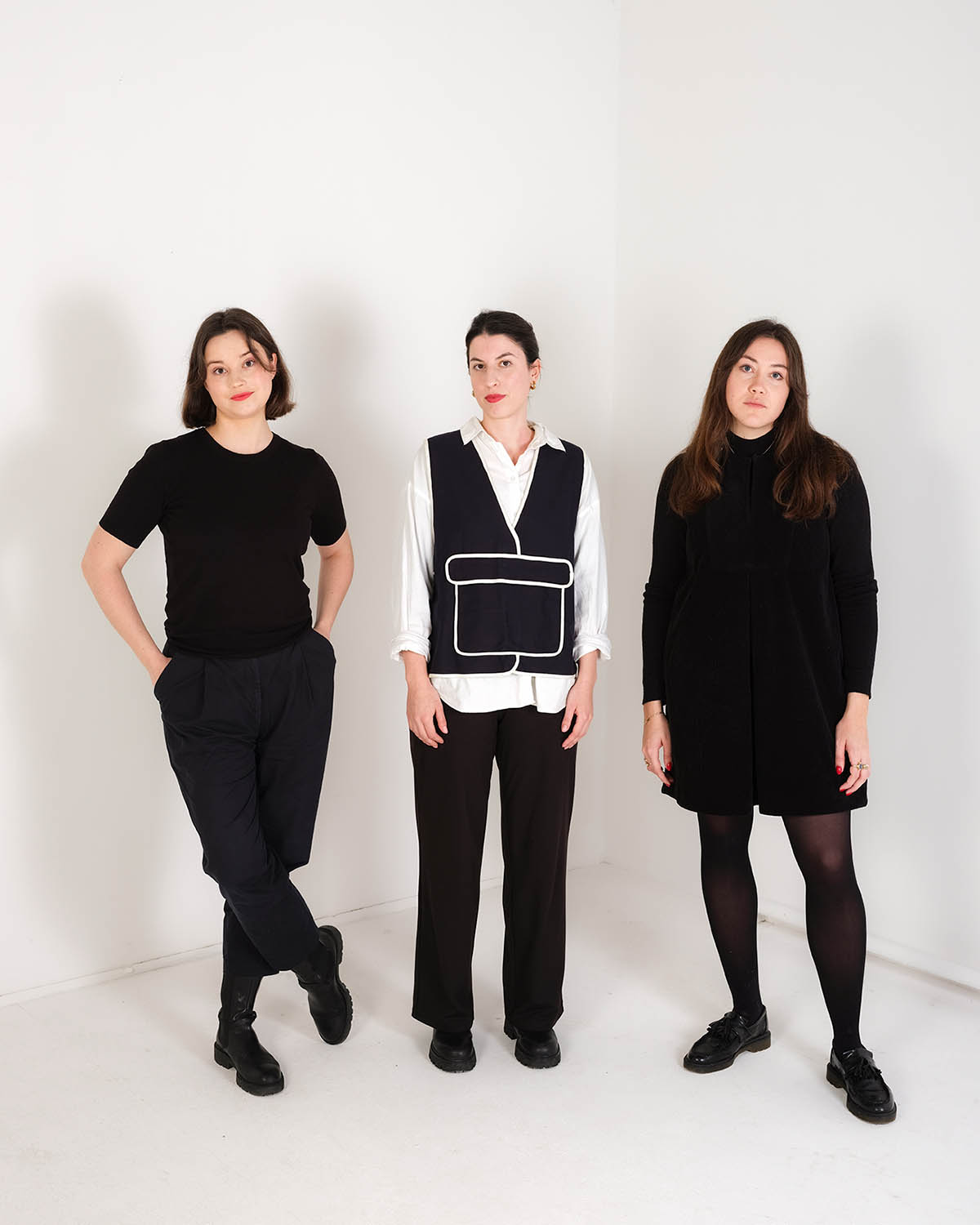
ETC. is a Ljubljana-based publication and curatorial platform founded in 2021, dedicated to amplifying underrepresented voices from the Baltics to the Balkans. The core editorial and curatorial team consist of Hana Ceferin, Ajda Ana Kocutar and Lara Meja. Each year, they are joined by a guest curator from the region – this year, they collaborated with Bulgarian curator Vasil Vladimirov. The magazine, published once a year, presents young emerging artists from Slovenia and abroad through a different relevant topic chosen each time. As the magazine is focused on a different social/environmental/political issue in each publication, it is designed to be a platform for diverse voices and opinions from all over Europe, contributing to a wider understanding of a certain issue and the recontextualisation of a border-defined narrative. Today more than ever, there is a need to start a dialogue and begin open conversations. By building a network of young critical minds from completely different backgrounds, the magazine aims to do just that. The magazine aims to create a medium for showcasing current international and local artistic production and contributing to a better connection between Slovenian contemporary art and the wider international art scene, to establish a common space in the field of emerging arts in Europe. Each year, the team also organises an international exhibition cycle and a discursive programme linked to the current issue of the magazine. Since 2024 ETC. runs the art direction of Ljubljana Art Weekend, Slovenia’s biggest annual contemporary art event.
Eva Bevec is a graphic designer, visual artist and photographer based in Ljubljana. In her practice, she employs the methods of essay film, documentary photography and archival research to question the seemingly everyday and banal aspects of her surroundings, disclosing deeper social, political and aesthetic issues.