The occasion of the gallery’s sixth anniversary feels like a good moment of reflection after several formative years. Can you tell us about the beginnings and how your connection to Häusler Contemporary helped you in making a stable base in the gallery max goelitz?
A great part of the job of having a gallery can’t be predicted. Many things, of course, developed through the process itself. Even if there was a vision of how things should unfold, a lot inevitably turned out differently. As a mixture of personal and professional development, and also all the encounters that follow on the way. The broader conditions have been quite different from what I was used to in the ten years prior, working as a long-time employee and later director at Häusler Contemporary. I think not only my gallery, but galleries in general, are exposed to various tensions today, from generational shifts to the conditions of the art market, which are undoubtedly more challenging than they were between 2011 and 2020. But I’ve always believed that challenging periods also create space for particular or alternative solutions.
Having a center point and two locations in Germany marks a good position for the gallery. Why Berlin? Why Munich? Why not New York, for instance?
When operating a gallery, you have to become aware of your own sphere of influence, your actual market. Through my previous experience at Häusler Contemporary, I was able to gain extensive insight into international markets, particularly in the USA. I built and maintained many of those relationships, often through travel and direct engagement. However, starting my own gallery, with a physical location in Munich, was an entirely different situation. It quickly unfolded in ways I hadn’t anticipated. My original goal was to directly activate the international networks I had built. That’s also how I structured the program: a combination of internationally established and emerging artists, alongside younger positions from German academies that we gradually integrated over time.
But then 2020 changed everything. We couldn’t even hold the planned opening due to the first lockdown. So the gallery effectively began under conditions where those international networks suddenly became less accessible or less functional. Instead, what became immediately clear was the importance of the local context. Being in a strong location like Munich, with a very knowledgeable and typically highly mobile collector base that was suddenly grounded, turned out to be a real advantage. There was an intensity to local engagement that felt almost new to me after years of working in a predominantly international framework.
So you were, in a sense, “forced” to refocus locally? And the pandemic shifted your perspective on the German market?
Very much so. It made me realize that the German market offers far more potential than I, and I think many others, had previously acknowledged. There’s a tendency in this field to constantly look outward, to structure the year around international fairs and events. But that often leaves too little time for the core work of a gallery. And that brings me back to something I mentioned in an earlier interview: in a way, it’s almost „old-school“ to step back and question whether certain developments in the international art market are actually sustainable, especially for smaller or younger galleries, or even mid-sized ones.
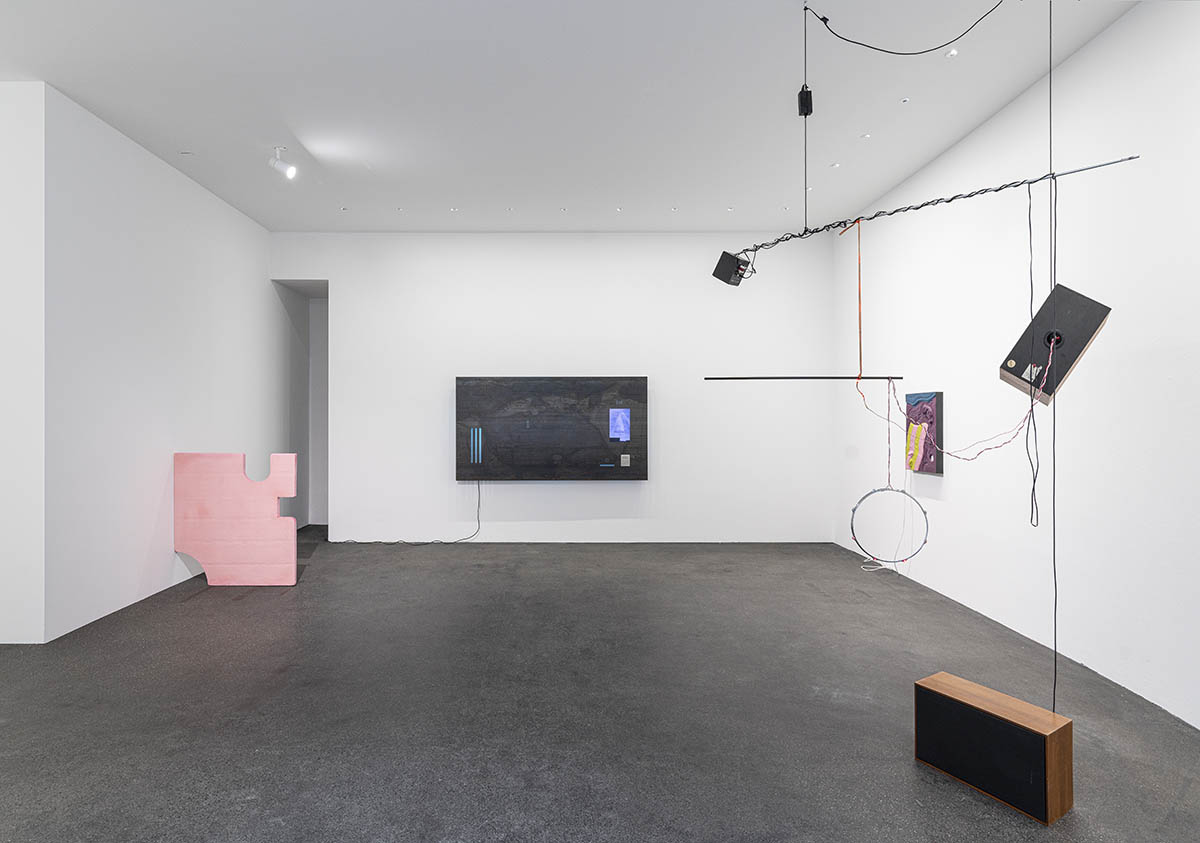
Interestingly, focusing on local connections proved to be very sustainable. It led me to reconsider a fundamental question: what actually defines a gallery? Especially in moments of transition or when founding something new, this becomes crucial. It’s not about the space or inventory; it’s about relationships. Relationships with artists, collectors, and the local scene. And these aren’t easily transferable. It’s about deciding where to invest your energy, where to find sustainable resources, and how to carve out a distinct position within the ecosystem.
And this relationship became a foundation for the gallery?
Definitely. I had the advantage of having spent ten years building those relationships beforehand, which made the transition possible in the first place. One key realization for me was that contacts within Germany can actually be more valuable when you’re able to engage with them in a deeper, more sustained way. I often say that the most expensive thing is acquiring new contacts through art fairs. Especially in markets where you don’t already have a presence, those encounters tend to be fleeting. It takes a significant amount of effort to turn them into meaningful relationships. Of course, there are always many exceptions: you can meet remarkable individuals who shape your trajectory and stay involved with your gallery for a long time. But overall, the process is resource-intensive.
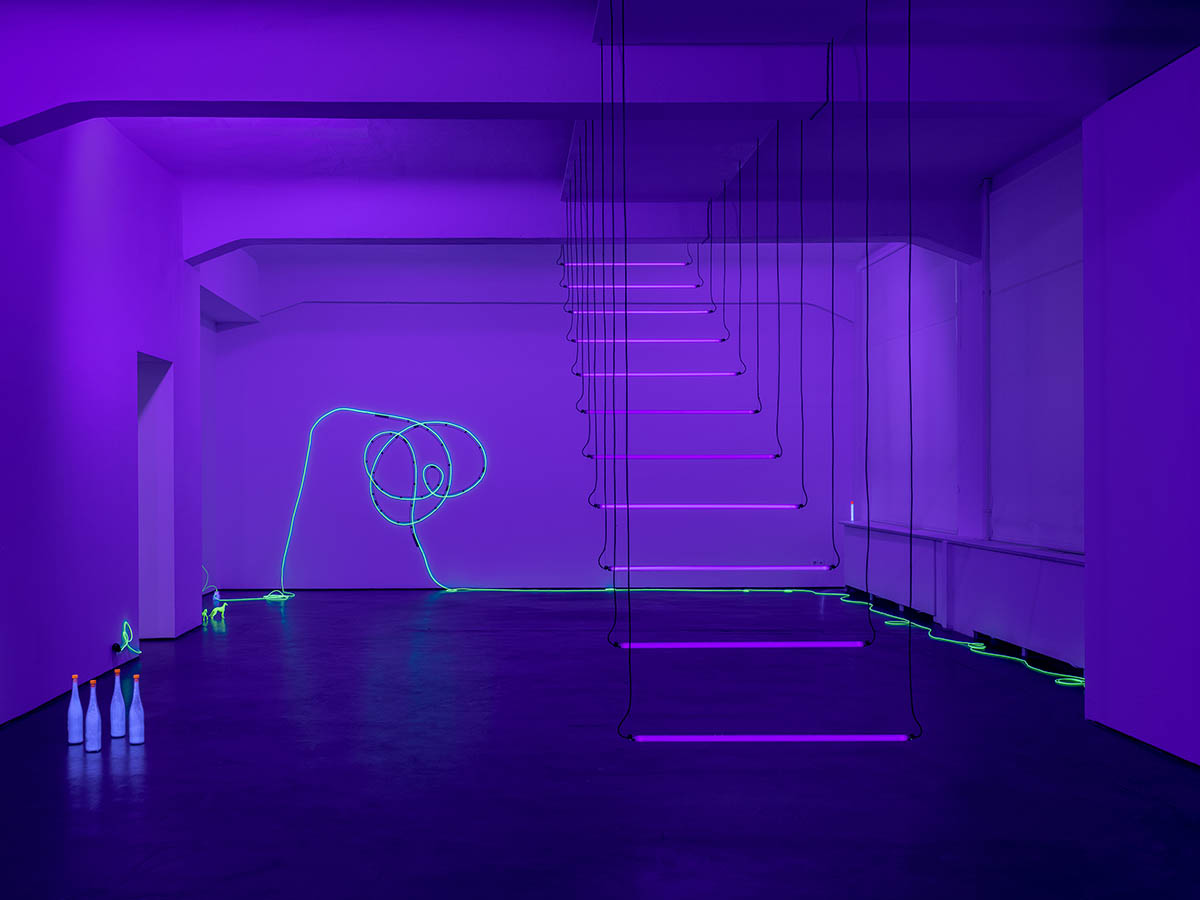
You brought over a few artists from the former gallery. For example, Brigitte Kowanz was my professor; I’d love to talk about her. In the very beginning of max goelitz gallery signing with the established artist and later, unfortunately, continuing to work with her legacy is not an easy task.
Brigitte Kowanz is a very good example. She was a very important artist for me. I joined Häusler Contemporary in 2011, and she had already been part of their program for a long time. Over the years, there were various exhibitions with her and external projects, leading up to her participation in the Venice Biennale 2017. Those were also formative experiences for me.
I always felt it was a great honor to work with artists like Brigitte Kowanz, but also James Turrell, Michael Venezia, and Keith Sonnier, just to name a few. They were generation-defining and had very unique personalities in different ways. Brigitte, in particular, was extremely precise in her analysis, certainly influenced by her long teaching career as a professor. That was very helpful for me as a young gallery employee, both in terms of her experienced perspective on exhibition practice and her high standards for her own projects. She was also one of the first artists from the former gallery program to immediately support the idea of the new gallery. It was a collaborative process with the former gallery owners, where we worked toward transitioning certain artist representations to my new gallery. But these things are never a given. Especially those with international markets who work with multiple galleries have every right to critically evaluate such transitions. Ultimately, it’s about their representation and the contexts that open up. It helped that we had known each other for many years. That made it all the more sad that I couldn’t walk this path with Brigitte for very long, as she passed away in 2022. At least from the gallery side, we were able to realize one of her last exhibition projects: a duo show with the London-based artist group Troika titled Poetics of reality (encoded), 2021. That was also an important project for me with the gallery. Afterwards, of course, the usual questions came up: how do you manage an artistic legacy? That’s a big question for Adrian, her son, and for the entire studio. The studio is not as large as it once was, of course.
The first location in Munich opened in 2020 during the first lockdown, followed by Berlin in 2022. Since then, the Munich gallery has moved from its original home to a new space at Maximiliansplatz, which recently opened with more than 200 sq m of exhibition space. Tell us more about this next step.
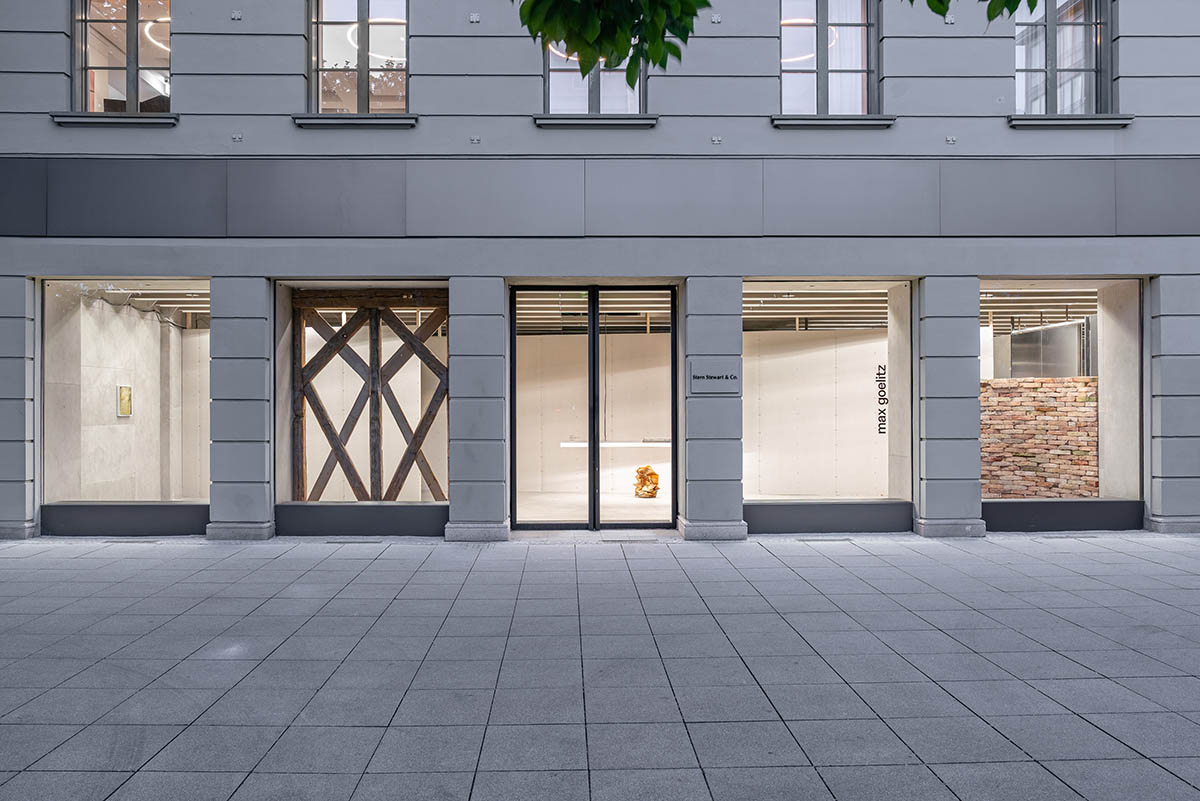
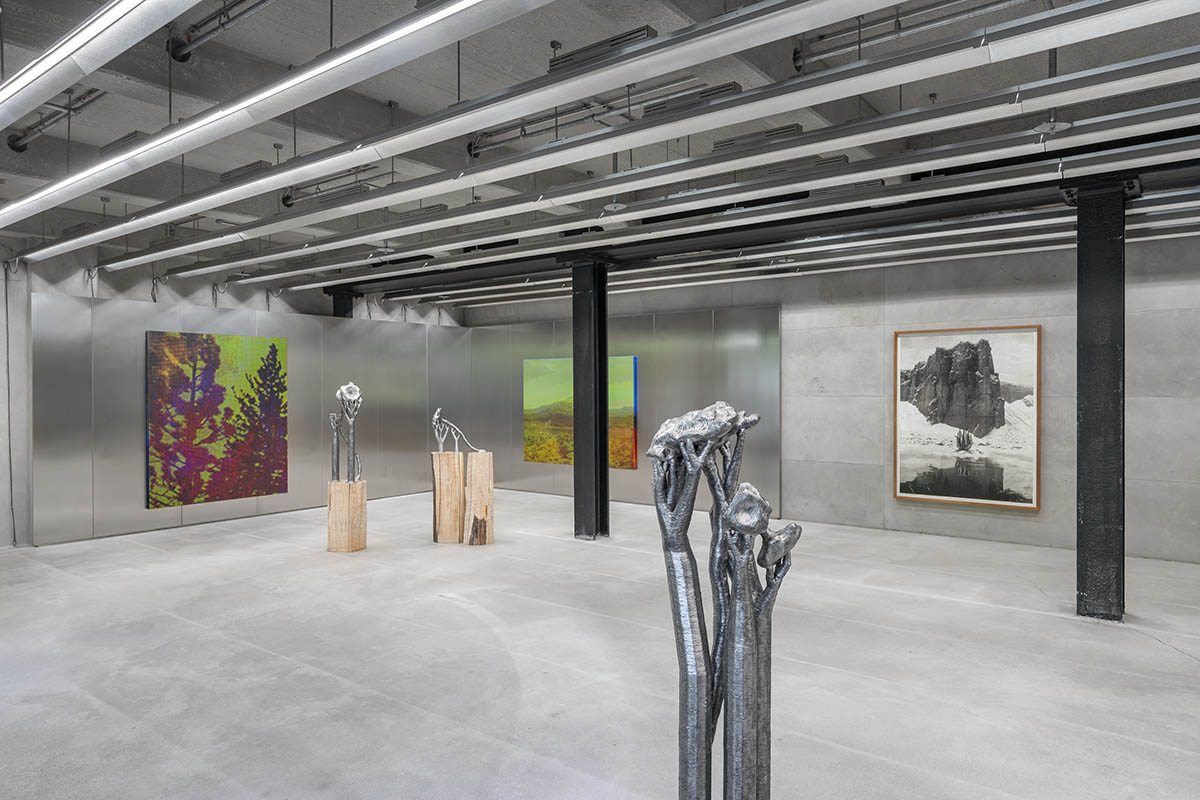
The new location of the gallery in Munich is in a traditional building right in the city center of Munich, in the historic Luitpoldblock, surrounded by over 150 years of history, a large café house that’s gradually being transformed, a design gallery, and a record label. The venue has also served as a setting for performances and parties. It’s a very central location, and thanks to the owners’ vision, there are processes underway that could unlock even more potential in the coming year, making it a real hub where creatives from different fields meet right next door. This is a new context for us as a gallery.
How important is it to share the space with others and, in that way, maybe attract new audiences that you might not reach otherwise?
Sometimes you only realize what’s important once you experience it. At our previous Munich location, we were more „isolated,“ not very connected to our immediate neighbors. I wouldn’t have necessarily missed it before, but now we’re seeing very clear synergy effects. There are overlapping audiences, and through the activation of the space and different events in the block, we benefit as a gallery as well. Plus, the location is more central and accessible. So relocating within Munich has been a very positive step for us and marks a new chapter that we are very excited for!
Can you introduce us more precisely to the team behind such a well-curated gallery program? Gabriel Schmidt is the director of the gallery in Berlin, working together with Emily Pretschz, who is also based in Berlin but currently in New York. In Munich, Simone Stoll serves as director, alongside Alexandra Chizhevskaya as associate director and Yuan Lu as Gallery manager. We also have Caroline Angermann, whose work bridges collector relations and supports the gallery in many strategic aspects. And of course, Maxine Weiss, who takes care of our texts. Everything we do at max goelitz is really a team effort.
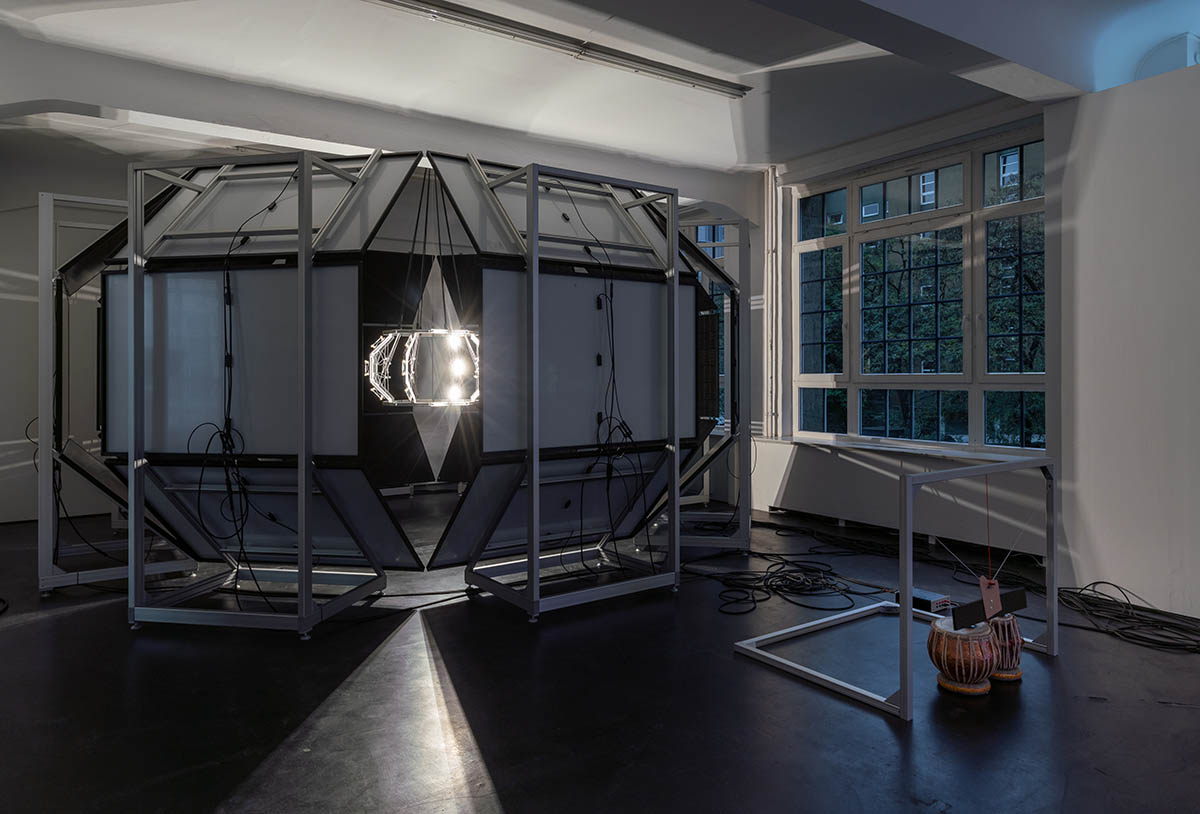
So it is still relatively a small team; one can infer from the resonance that there are more people behind it.
Actually, the team isn’t that small. Compared to galleries of a similar size, I think we’re not only very well positioned but actually quite extensive. A lot of gallery work doesn’t always happen publicly; it’s not just exhibitions or what the audience sees. It’s a lot about actively promoting our artists’ careers. That includes expanding institutional contacts, maintaining close collaboration and exchange with our artists, and providing the right kind of support, especially for younger careers. We see ourselves as active partners to our artists, not just a gallery defined by sales or exhibition spaces. We are focused on long-term collaboration.
I’m literally a witness to Ju Young Kim’s development over the past few years. I remember doing an interview with her two years ago. So much has happened since then.
Yes, and we’re really happy to accompany her. Back then, I had a program series at the Berlin gallery where we showed graduates from the Munich Art Academy in a summer exhibition slot. I did it twice in 2023 and 2024, with Justin Urbach and Ju Young Kim. These were short exhibitions based on their diploma projects, but they had a huge impact. They showed us what role we can play now with the gallery’s expanded context, especially when we direct our networks and our intensive engagement toward artists who are just beginning their careers after art school. That’s something that’s really rewarding for the team and for me personally. Being able to contribute to the early phases of an artistic career is incredibly meaningful.
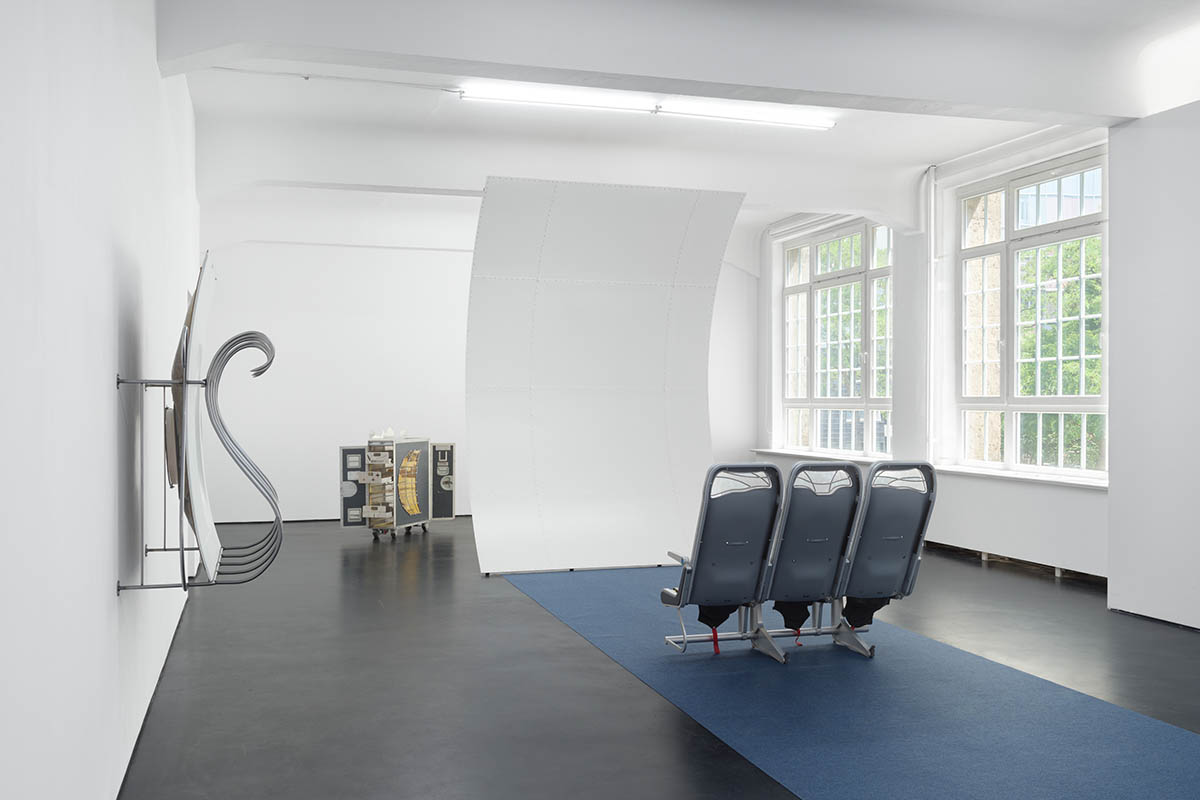
Your gallery invited the prominent gallery Hauser & Wirth on the occasion of Various Others 2026. The exhibition places works by contemporary artists Lukas Heerich and Rindon Johnson in dialogue with selected early works on paper and a painting by Eva Hesse (1934-1970) represented by Hauser & Wirth.
The Various Others format is very important to me for many different reasons. The collaborative approach at the core of Various Others — both internally within the city and externally — has strongly shaped Munich’s art landscape. Not just galleries are involved, but also art institutions. It creates a real networking platform. But it’s also something I think is sometimes underestimated: the development of Munich’s art landscape. Often, people only know the standout figures. Communicating outward is important for all of us involved. That’s also why I’m personally involved as a board member of Various Others: to help push that forward. I feel their approach is very much in tune with the current moment.
Even before participating in Various Others, I was always interested in collaborations with other galleries. Initially, this was also shaped by the pandemic, when international opportunities were limited, and art fairs were canceled. Partnerships with international galleries, whether through joint exhibitions or shared artist representation, became extremely valuable. It was also a way for me, as a then-younger gallery owner, to build networks and position myself. Various others offer a great framework for this. It gives Munich galleries a concrete reason to approach and invite guest galleries. We’ve always tried to realize ambitious projects, often in collaboration with major international galleries. Of course, that comes with challenges: very different team sizes and different expectations, but these collaborations have consistently led to exhibitions with real impact. Not only for the artists, who gain new visibility, but also for the guest galleries, who can connect more deeply with Munich’s very engaged collector base.
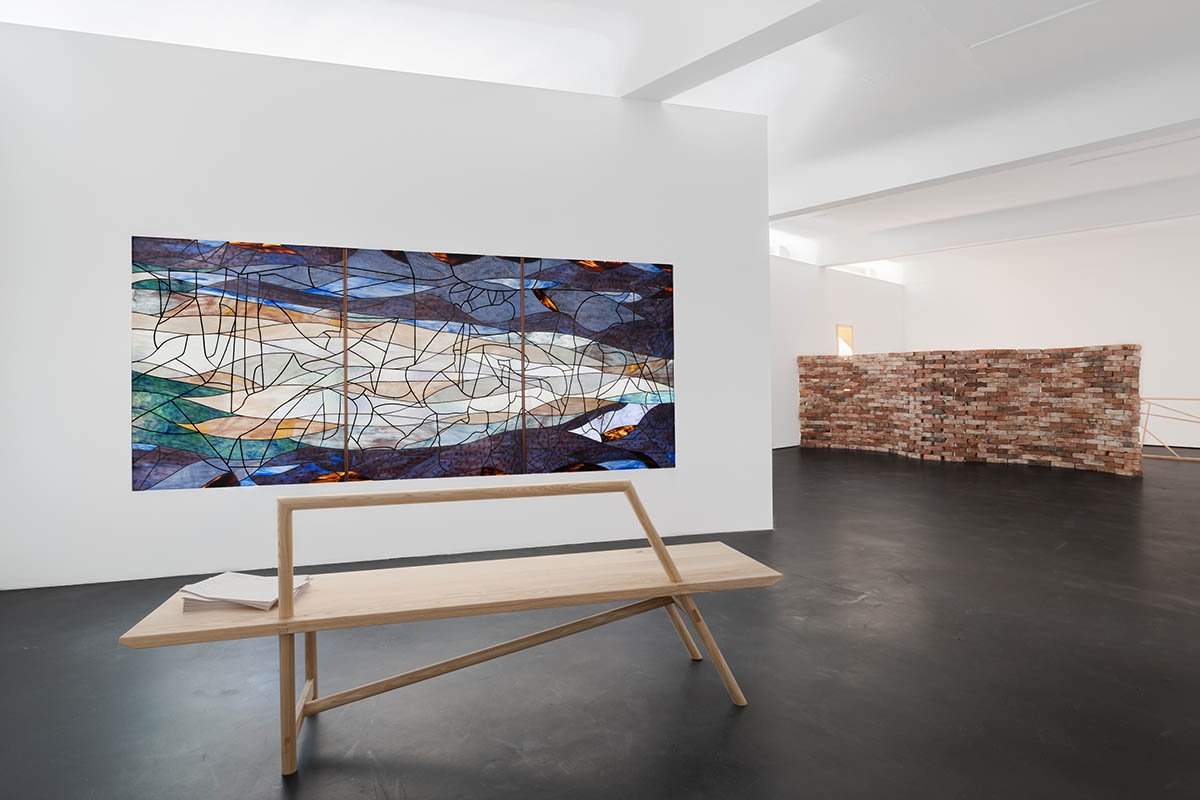
I am particularly excited for our collaboration with Hauser & Wirth. From our perspective. It’s an impressive gallery: highly international, yet without a physical space in Germany. Through various projects and encounters over the years, I’ve come to know the people behind it. And as we already said earlier, personal relationships are always the starting point. Before any collaboration can happen, you need to be heard in the right place to even propose an idea.
What we’re presenting now is an exhibition with two younger artists: Rindon Johnson from our program and Lukas Heerich, with whom we’ve worked closely over the past year and a half. Both were interested in developing a very specific kind of exhibition constellation, not pairing with another young international position, but rather engaging with an estate with a historically established practice. For both of them, Eva Hesse is a key reference for different reasons. Her work also overlaps in interesting ways with other positions in our program. For example, we recently showed Gary Kuehn, who exhibited multiple times alongside Hesse.
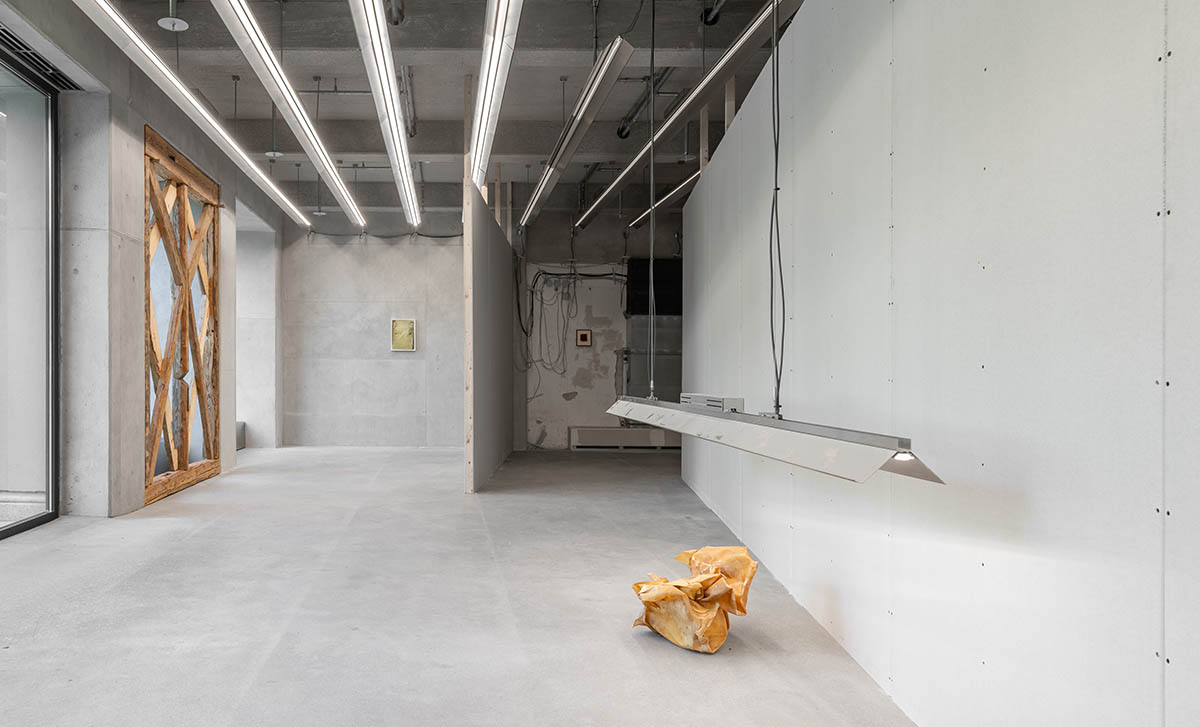
The expanded notion of sculpture—particularly in the context of minimal and post-minimal art—has also been formative for me personally, partly through my experience at Häusler Contemporary. I’ve worked directly with many of Hesse’s contemporaries. And yet, she occupies a very singular position. Her biography alone is striking: born in Germany, emigrated, and sadly died very young, at age 34. Despite that, she produced an incredibly intense and influential body of work. There aren’t that many works of hers, but the impact is extraordinary. Her work is shaped by the movements of her time, but even then, she stood apart. That’s something that interests me greatly. But what’s even more compelling is that both artists, Rindon and Lukas, share this perspective. They’ve developed an exhibition concept that responds directly to Hesse’s work. It completely transforms our gallery space: we’ve reconfigured the exhibition architecture to do justice to this pairing.
On one side, you have historical works; on the other, entirely new works created specifically for this exhibition. As for the title, it’s interesting. Even though the project is conceptually quite dense, we chose something very minimal: simply the names — „Eva Hesse, Lukas Heerich, Rindon Johnson.“ The title remains deliberately neutral, almost understated, without prescribing a specific mood.
Group exhibition: eva hesse, lukas heerich, rindon johnson
(on the occasion of Various Others 2026)
Opening Friday: 15 May 2026. 6 – 9 pm
Exhibition duration: 15 May – 4 July 2026
Opening hours for the Opening Weekend: Saturday 16 May | 11 am – 6 pm and Sunday 17 May | 11 am – 4 pm
Address and contact:
max goelitz
Maximiliansplatz 10
80333 Munich, Germany
www.maxgoelitz.com