AMRO – Art Meets Radical Openness Festival dedicated to Art, Hacktivism, and Open Culture. Programme coordinators Davide Bevilacqua and Martina Pizzigoni. AMRO26
The title of the 2026 Edition of AMRO, “Becoming Unreadable”, suggests opacity rather than openness. Is this a reaction to radical transparency culture, or a strategy of survival? In the last edition of 2024, openness was framed as a collective methodology. In 2026, unreadability feels more defensive. What changed: politically, technologically, socially?
It is definitely both a reaction to radical transparency and one of the few strategies for survival, and, honestly, the tension between those two readings is exactly what drew us to the title. „Openness“ as a value is central within AMRO, and its community has always been very suspicious about the dynamic of mainstream, fame, and visibility. For this edition, we realised we have to be more explicit about the limits of its unquestioned adoption of “openness” as a drive for society and business. What we need is the radicality that questions the dynamics of global scales and hence makes us think: who is really part of my community, and who is not?
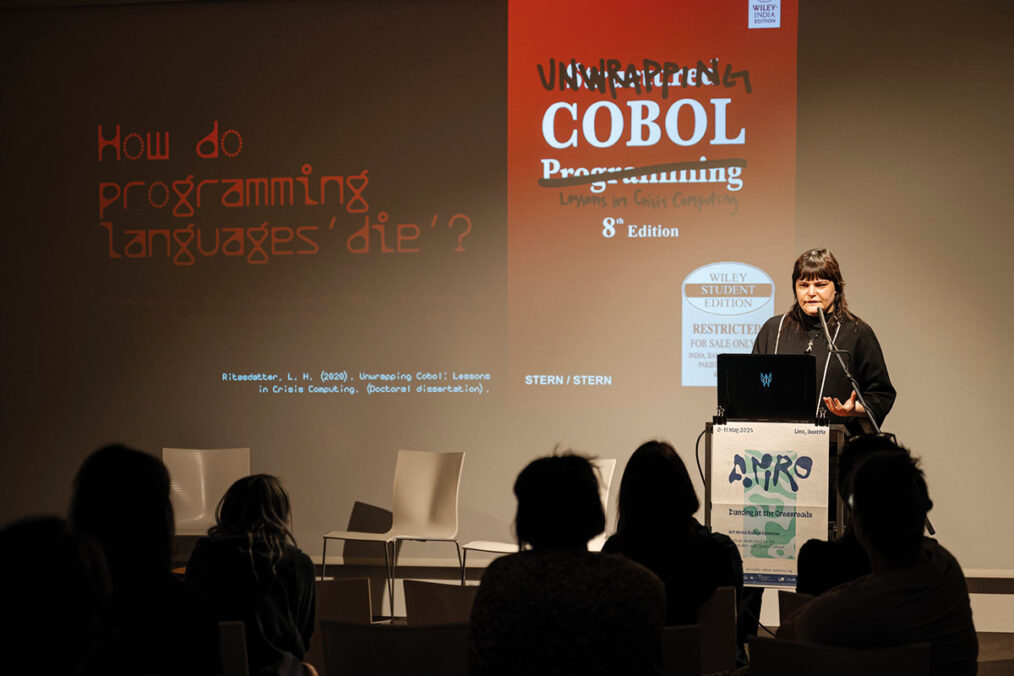
As in 2024, with Dancing at the Crossroads, we are still working within an environment where openness (of code, of infrastructure, of process) is the guiding principle. But the suspicion toward radical transparency as an unquestioned good is deeply rooted in AMRO’s – and, more in general, of servus.at – identity. By 2026, it simply became more urgent to bring attention to the fact that radical transparency has been progressively weaponised: as surveillance, as forced legibility, as the logic of platforms that extract everything you make visible. Invisibility, unreadability, and ungovernability started feeling like more and more urgent strategies we could no longer afford not to name. Technologically, not much has changed since 2024: the AI boom is still making the extraction of data, labor, and attention more aggressive and more normalised than ever. Two years ago, though, it still felt like we could collectively take the path of AI refusal. Now, even if none of the promises about its functioning were realized, we see the pervasiveness and consequences of its adoption.
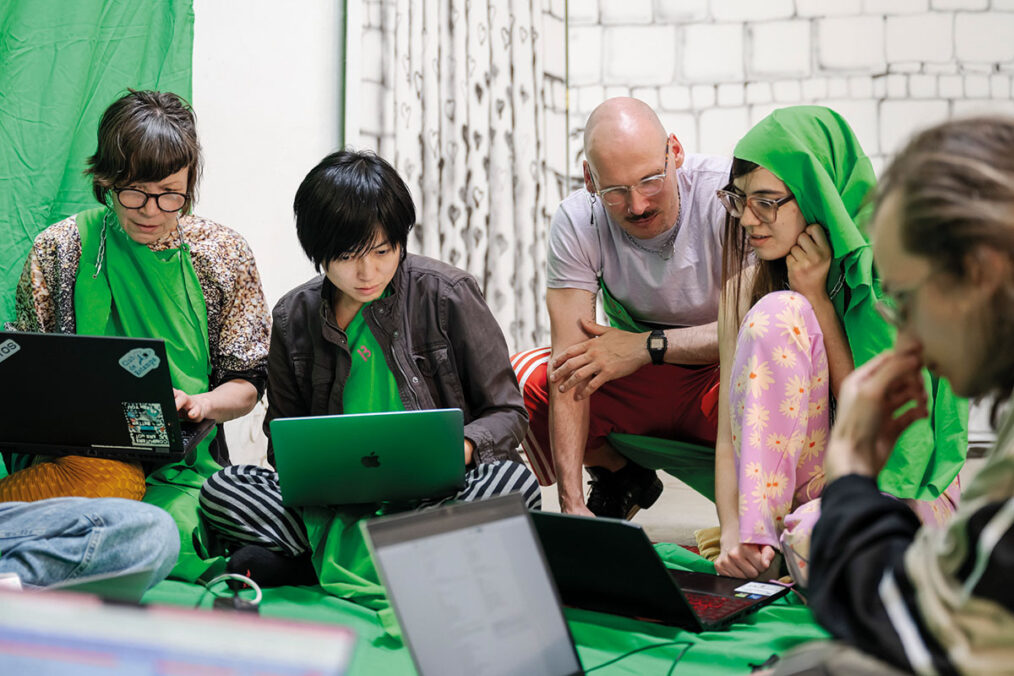
Politically, however, a lot became more visible: we’re watching tech billionaires openly align themselves with authoritarian and supremacist projects. Socially, there’s a particular exhaustion (a burnout, indeed) that comes from being constantly online, constantly readable, constantly available for capture. Becoming Unreadable is a way of asking: what if refusal is also a form of practice? What would it mean to operate under the radar, to resist the total AI cloud, to not be fully perceivable by the systems designed to monetize us? To become unreadable, it’s not a total withdrawal from the world; it is to refuse the terms on which you are being read.
What was the most important factor in making a decision and selecting the participants?
AMRO has two parallel selection processes, which cannot be understood as distinct, as they often intersect and influence each other. A consistent part of the festival program (lectures, workshops, performances, showcases, and the Becoming Unreadable exhibition at Splace) is built through an open call. This year we received more than 300 applications from across Europe, and the selection was made by a jury of long-time servus.at community members, who assessed each proposal for its thematic affinity with the AMRO26 themes and its alignment with our festival values: free and open-source software, community-oriented practice, and critical engagement with technology. We explicitly asked people to apply as „humans“ in their own voice, with imperfect language and unfinished ideas, rather than submitting polished AI-generated texts. That wasn’t incidental; it was already a statement about what kind of exchange we’re trying to build. Alongside this, through the Research Lab, we curated further programme points, and for this edition, we developed two exhibition projects. From the Ashes of the Burnout Machines at Galerie MAERZ originated a concept first developed by Davide in September 2024, then further shaped through the curatorial collaboration that followed.

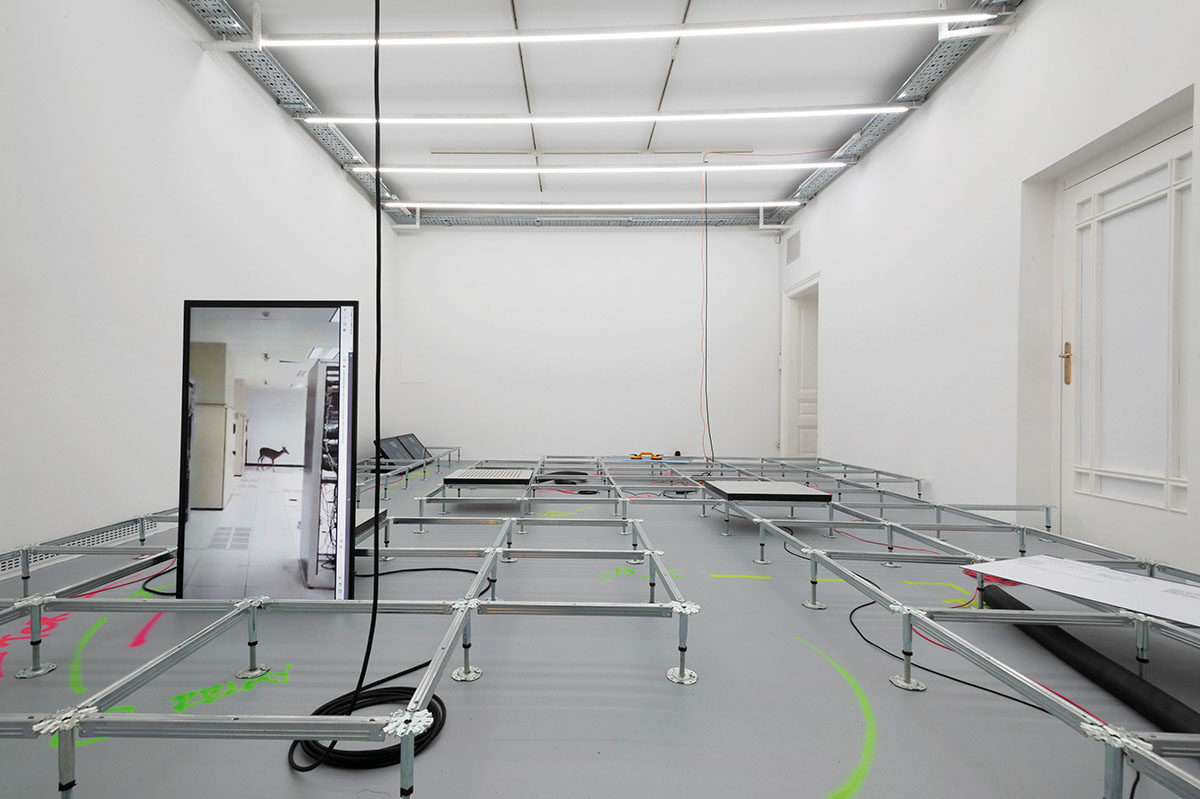
The exhibition brings together eleven international artistic positions dealing with the ways digital technologies impact life on ecosystem, personal, and societal levels, with a particular focus on exhaustion as both a systemic and embodied condition. The curatorial team – Arianna Forte, Noemi Garay, Diane Pricop, Lara Mejač, and Davide Bevilacqua – first came together through a previous cooperation: the MFRU/IFCA Festival in Maribor in 2025, where Lara and Davide co-curated a show exploring secret connections between media technologies, users, and knowledge circulation. That shared experience influenced both the title “Becoming unreadable” and the finalization of the existing project of Burnout Machines. We conducted network-based research together, looking for projects currently in development that the curators were directly involved with or tracking closely. Thematically, what guided us was a strong and specific relationship to the ideas of extraction, burnout, and regeneration as material realities. Finally, Decay and Desire at bb15, born from a collaboration between the Linz-based space and Ljudmila Art and Science Laboratory from Ljubljana, brings together two immersive installations by jiawen uffline, Maja Bojanić & Brin Žvan. The works inquire into nature’s irrational forces with institutional critique, exploring communication, sustainability, and the possibility of agency, offering a more oblique, poetic counterpoint to the systemic focus of Burnout Machines.
What does it mean to become unreadable in 2026?
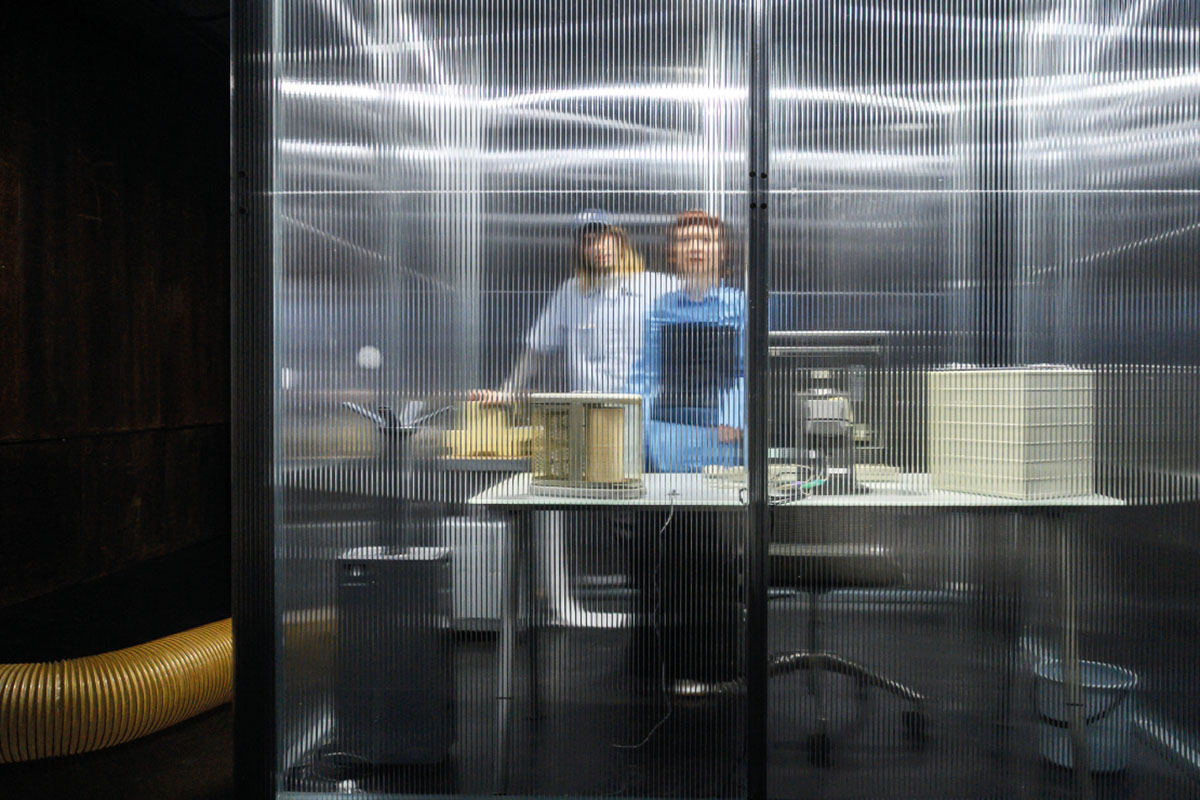
At the simplest level, it means refusing to be fully legible to the systems that exploit our legibility. Literally, this includes evading corporate surveillance with concrete technical tools, such as server-side software capable of detecting AI-based scrapers and feeding them deliberately obfuscated or distorted content. The Algorithmic Sabotage Research Group has published a comprehensive list of such tools, and that kind of infrastructural resistance is part of what we want to discuss at AMRO. But it goes further than that. We’ve been thinking a lot about Dan McQuillan’s framework of „decomputing“, the idea that AI technologies make people increasingly vulnerable to and dependent on the automation of thought, surrendering agency over reality. From this, we’ve been developing a set of related gestures: de-networking, which questions the ways we think about webs of relations and connections; de-scaling, which resists one-size-fits-all solutions with global aspirations and colonial effects; de-platforming, as a reappropriation of responsibility over our own online presence; and de-cloudifying, as an embrace of the asymmetries and asynchronies that actually characterize how files and folders move across networks. Instead of just accepting our technological engagement, we create a place to reevaluate it by naming these gestures.
But it also means questioning the assumption that constant connectivity and online presence are natural or neutral conditions. The machine will always claim it can represent us, and when it misrepresents us, it justifies the failure by saying it needs more data. That logic must be broken. For us, becoming unreadable connects to a longer practice – we’ve been running non-commercial community infrastructure for the last 30 years, precisely because the tools you use shape the kinds of relations you can have. Becoming unreadable is partly about building and trusting those low-tech, feminist, community-based IT alternatives. But it’s also something more human: reclaiming opacity as a right. Not everything needs to be optimized, tracked, or made productive.
What should the audience expect from the experience this year, and what do you consider a main event?
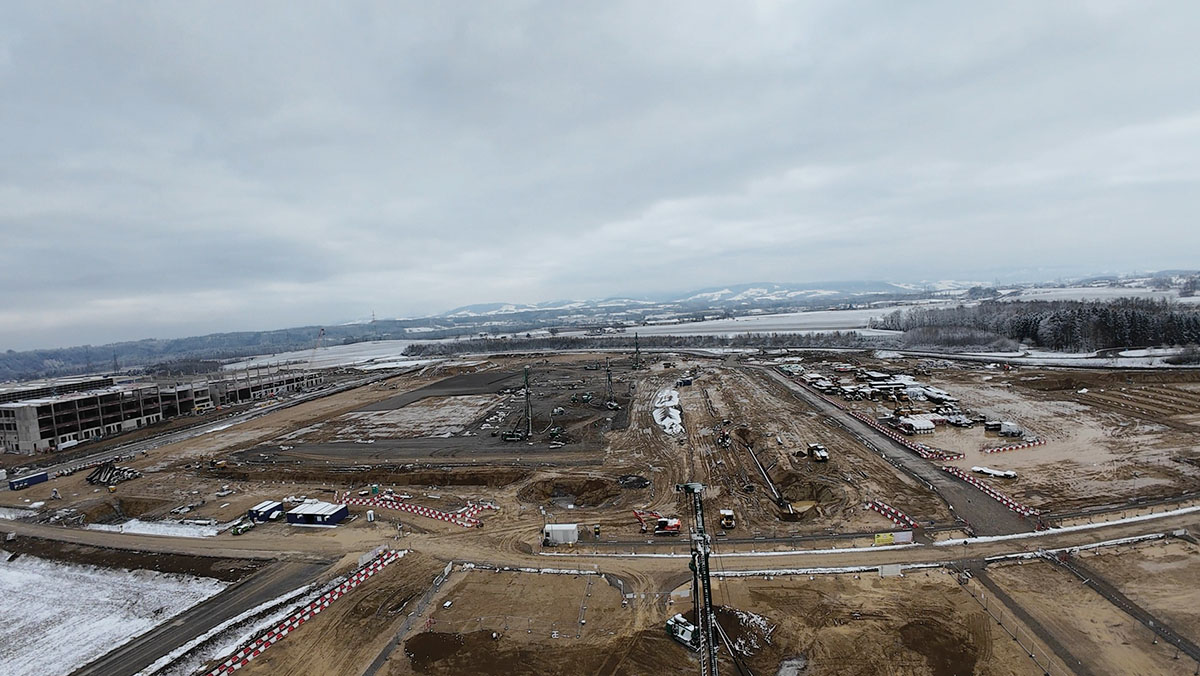
AMRO is a four-day, multi-venue festival, deliberately decentralised through the city of Linz. Audiences are invited to move between the main discursive program at afo – architekturforum oberösterreich, and exhibitions, workshops, performances, and nightline events across Linz, including Stadtwerkstatt, MAERZ Gallery, and the Kunstuniversität Linz, as well as a few independent locations across the city centre, including BB15 – Space for Contemporary Art, /dev/lol, DH5, Willy*Fred, and Raumschiff. The main exhibition, From the Ashes of the Burnout Machines at MAERZ, examines the environmental, social, and psychological costs of digitalization, but, more importantly, these works propose alternatives. Works by Christina Gruber, Mario Santamaria, Ioana Vreme Moser, Repair and Redress, and Dasha Ilina & Marie Verdeil deal with the impact of data centers and computation on the environment, as well as the historical fragility of technological systems. Projects by Fantastic Little Splash, S()fia Braga, and Mara Oscar Cassiani explore the manipulatory dynamics of burnout machines, including toxic relationships with AI, digital devotion, and misinformation. And works by Sam Lavigne, 868.labs, and Marco Donnarumma propose radical misuse, obfuscation, and sabotage as openings toward autonomy and independence.
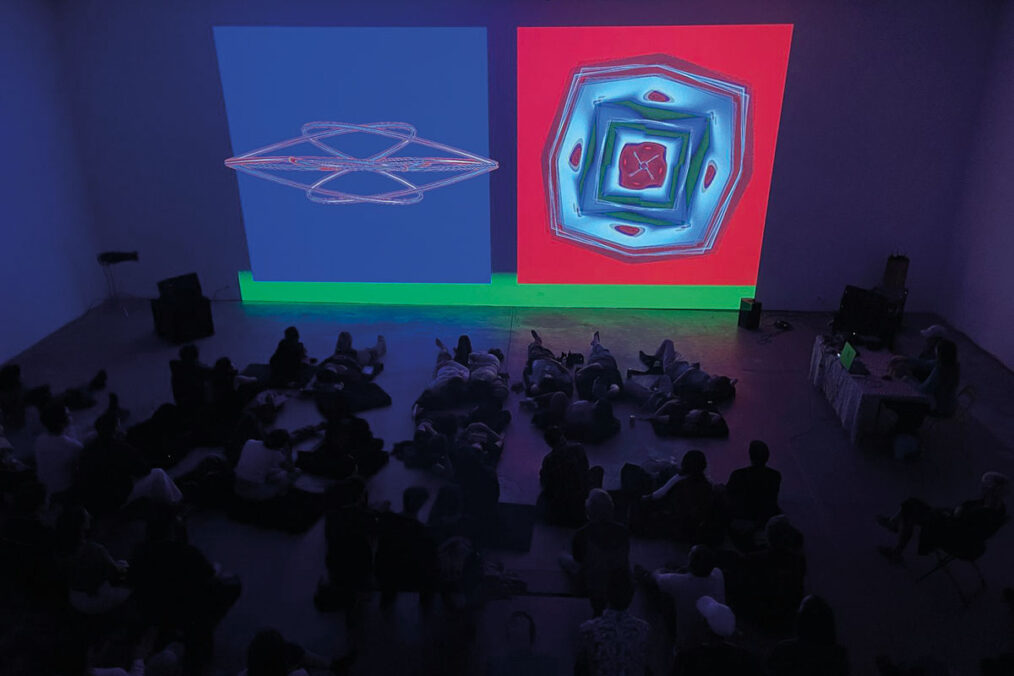
How the program evolved in sections of the following topics: Exploitation and extraction; Social crisis and climate catastrophe; Protest and sabotage; Reconstruction of regenerative infrastructure.
Those were initially axes of reflection that structured the first stage of the Burnout Machines project, but they ended up also becoming important directions in the construction of AMRO’s programme. We have taken them as a map of a collective journey of negotiation between autonomy and dependency, freedom or control by machines. We are collectively witnessing a deep social and climate crisis caused by AI exploitation and extraction, where Becoming Unreadable is an important strategy to sabotage and hack the mainstream logic and build a workable alternative. Working together with the above-mentioned four international curators and the “local” AMRO committee of spreading awareness, gathering like-minded people, and perhaps making steps in the right direction.
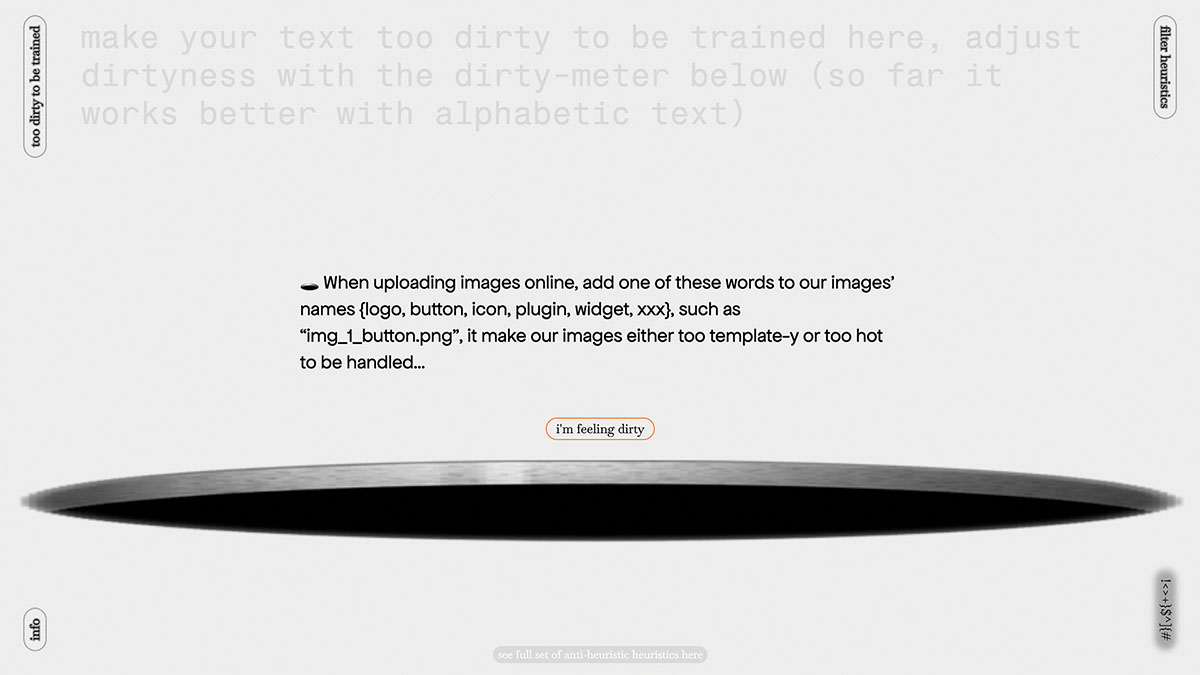
The festival features several workshops that deal with sabotage and protest. One by Nami Kim and Michal Klodner deals with strategies for refusing to be scraped by AI bots, creating new strategies for semi-public communication. Another by Papertrails/Livio Liechti is about making posters that take a position against the construction of environmentally destructive data centers. In some works like “Slow Hot Computer” by Sam Lavigne, part of Burnout Machines, the performance is grounded on rebellious, luddist sabotage, done to the machines that want to control and manipulate us, and where the public dimension is more conceptual, part of the open invitation towards a collective systemic shift. One of the most interesting contributions is undoubtedly from Winnie Soon, whose performance „The Poetics of the Unreadable“ uses encryption to circumvent censorship and question what the level zero of protest is. We also have a nightline in which algorave, participation, and live coding are performative instruments for collective refusal. And, finally, as already mentioned, the excursion in Kronstorf is arguably the most „performative“ moment of the whole festival. In a community festival like AMRO, the most important resistance act is the construction of proximities among participants, and not only artworks. Going together to cast a spell against the toxic data center creates a powerful imagery of collectively claiming back control from the system. The symbolic, performative, and ritualistic layers are fundamental for this.
With artists like Marco Donnarumma and Ioana Vreme Moser in the program, the body seems central and often entangled with machines. Can you elaborate more on these works?
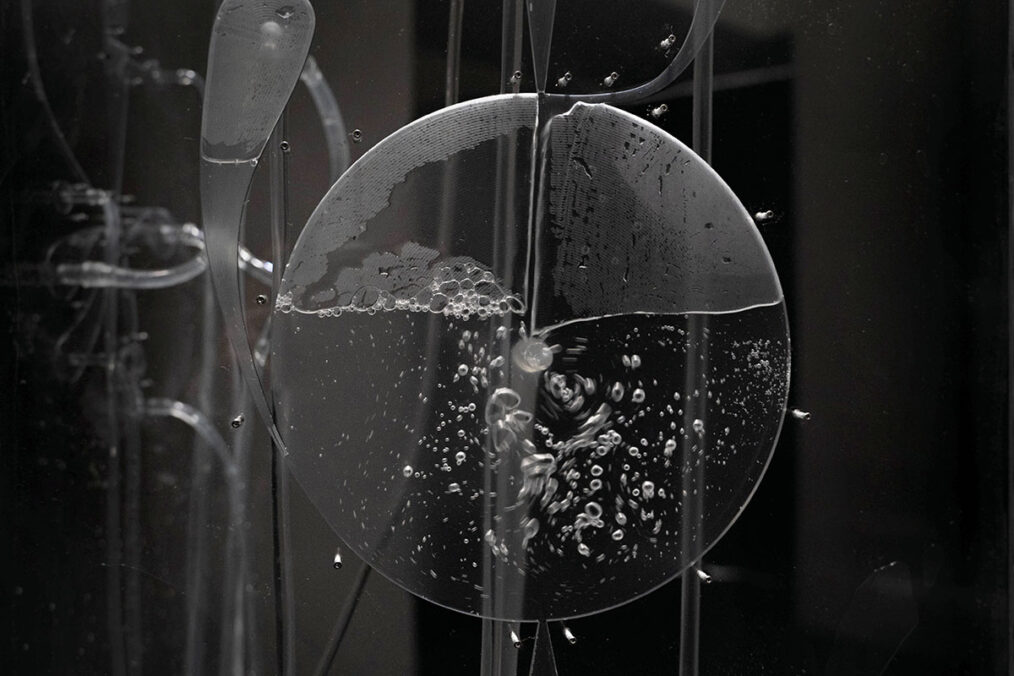
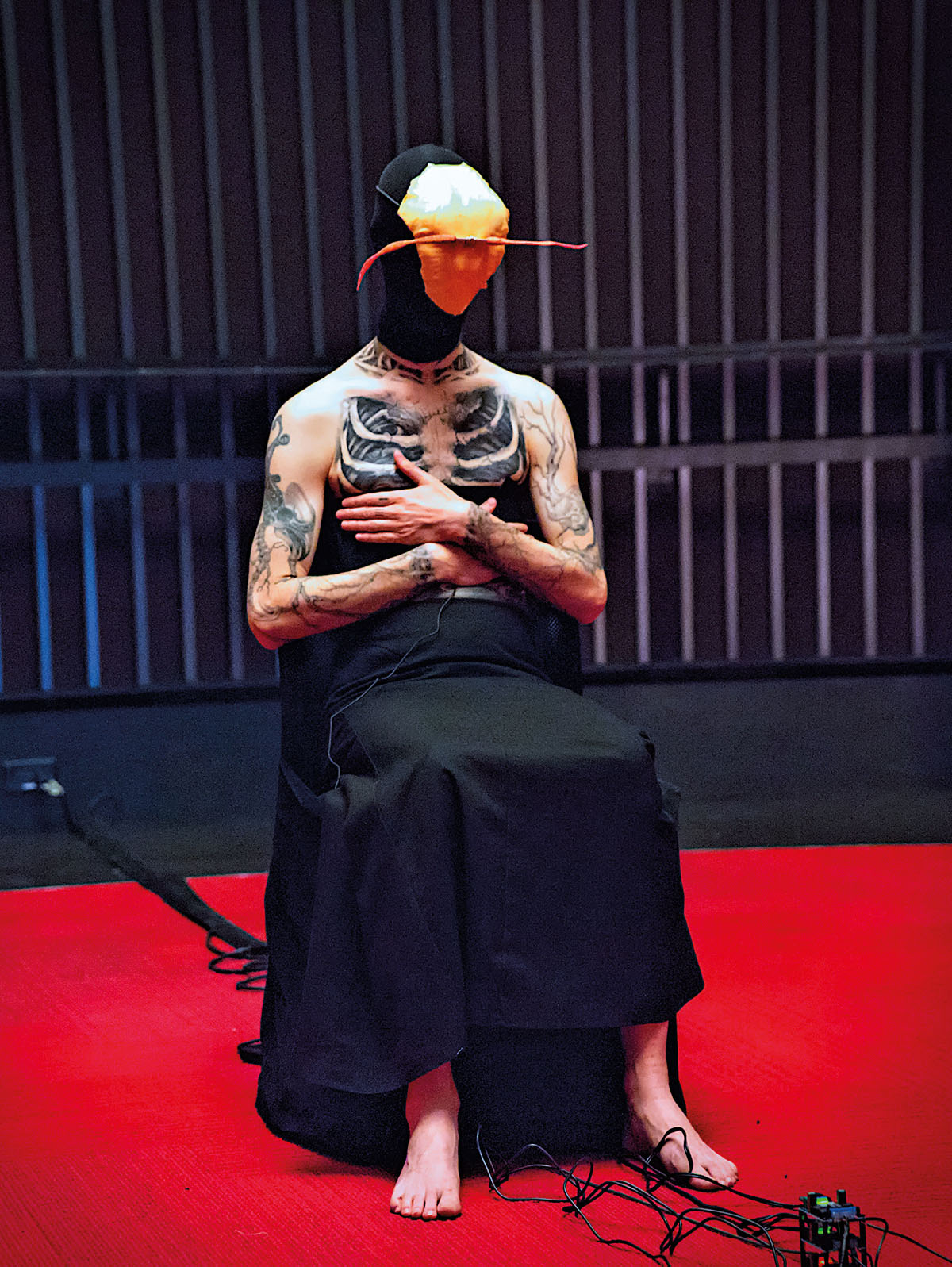
Even when not explicitly mentioned, the body is always present when thinking about machines and computation, especially because it is removed, abstracted, substituted, exploited, and automated. We believe that we need to make the bodies and labor of the datasets labellers and content moderators more visible and respected, to ground digital technologies on less extractive modalities. Specifically, both Donnarumma and Vreme Moser refuse to consider a body as a passive receiver of technological impact. Instead, they propose it as a resisting entity, where technologies allow a certain coexistence. Marco’s practice has long been about amplifying the body, its fragilities, its flesh, and claiming its reason to exist in relation to the synthetic and the technological. Drawing on his own experience of hearing loss, his latest work “Lestes” – developed through participatory research with d/Deaf and hard-of-hearing communities – pushes these reflections into the visceral, creating an interface that bridges between bodies and allows communication across d/Deaf and hearing people through sound transmitted not through the ears, but through the body itself. Ioana’s work focuses instead on the body of computation and the materiality of past and current technologies. Her work deals with rare earths, toxic minerals, and the politics around that. In a time in which technologies of domination and control are more and more presented as ephemeral and ubiquitous, without a body, only power and data, Vreme Moser unpacks the intricate histories of computation. In her works, she makes visible the human radio network operators who formed the first global network of computers, all women who are erased from history. And with the new project on fluidics, the Danube and its delta become both the computational body and the matter that is computed, carrying the toxic traces of technological development.
Can you tell us more about servus.at and the collaboration with the University of Arts in Linz?
servus.at started in 1996 as a small internet initiative embedded in the Stadtwerkstatt, a longstanding cultural center in Linz. From the beginning, the idea was to provide genuinely independent digital infrastructure for artists and cultural practitioners, community radio stations, universities, NGOs, and educational institutions, and people who needed tools that weren’t shaped by commercial interests. We still run our own server in that building today. For these members, we provide free, alternative digital tools and, through various projects, promote critical dialogue on the use of the Internet and network technologies. AMRO grew out of this context. It’s been a biennial festival since 2008, and it has always been organized in close collaboration with the University of Art and Design Linz, specifically the Departments of Time-Based Media and Visual Communication. That collaboration is essential because it connects us to an educational context, a pool of valuable research culture, to academics and students who are working on these questions in sustained ways, and to engage with the institutional context, structures, and roles without AMRO and servus.at becoming one. I would say that AMRO and servus.at operate para-institutionally, just outside the walls, trying to bridge across while staying independent to act and not become too tied to compromises, strategies, and institutional politics. This is also visible in the parallel program strands where we cooperate with the Kunstuni, especially on topics of independent design practices using Free/Libre & Open Source tools, which are at the core of d*sign week. We are very pleased that the Kunstuni, cooperating with us, supports us in this, and we think that AMRO plays an important role in passing these values on to new generations, offering a space for future generations to engage with questions that go well beyond what institutional structures alone can host.
AMRO26. Festival dedicated to Art, Hacktivism and Open Culture
13th–16th May 2026
at various venues in Linz
More information and the full festival program: www.radical-openness.org
Art Meets Radical Openness is a biennial community festival for art, hacktivism, and open cultures. The 2026 edition „Becoming Unreadable“ engages with invisibility, unreadability, ungovernability, and uncomputability as strategies for resisting current tendencies of our networked times. AMRO26 aims at challenging the common understanding of AI, networks, and computers, and through its programme, it explores approaches that offer real change: low-tech, feminist and community IT, computing within limits, up to even more radical ideas around de-computing, de-networking, de-scaling, and de-platforming ourselves. Becoming Unreadable involves evading surveillance by oligarchic tech corporations, operating under the radar, and refusing to comply with the total AI cloud. Non-commercial community infrastructures are fundamental tools in this process, but even more importantly, we need to develop new ways of understanding each other and being together as humans.