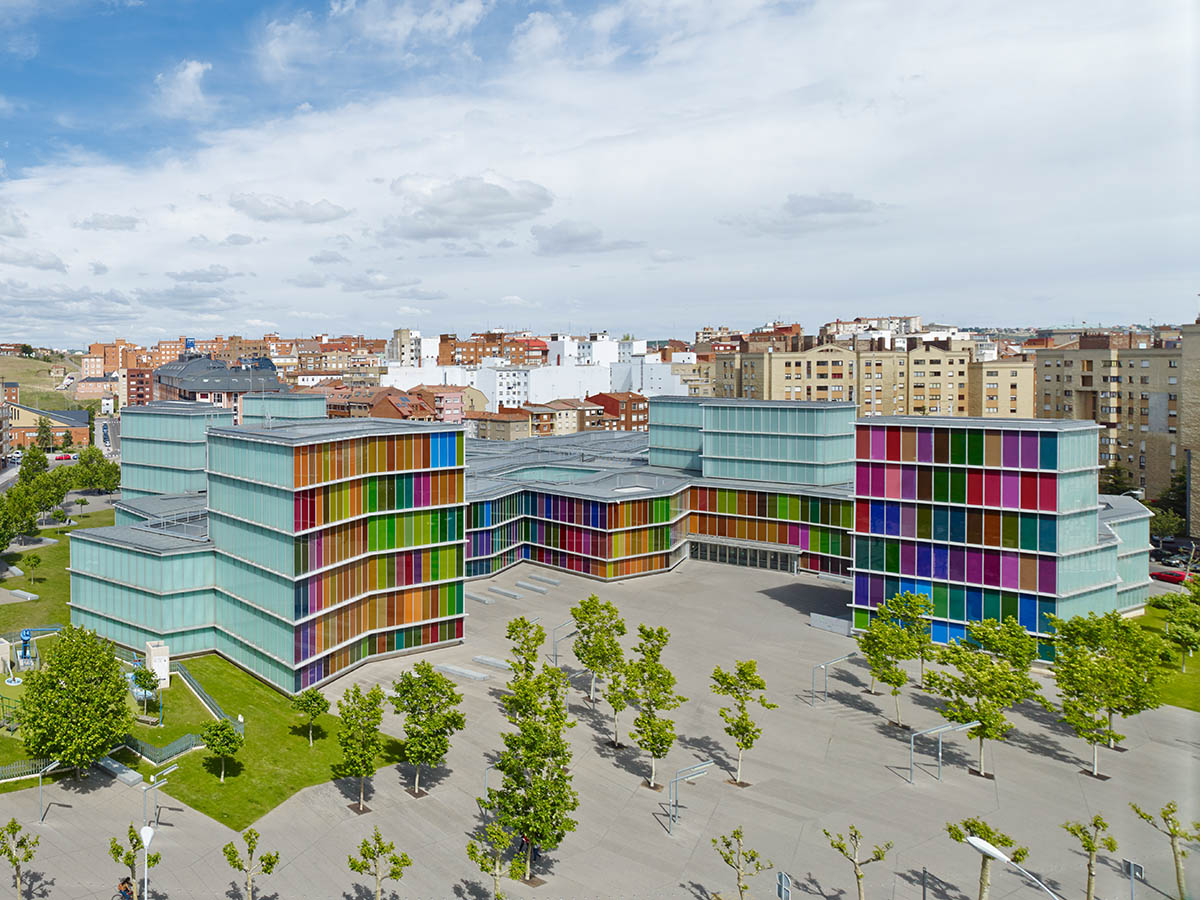
We met Álvaro Rodríguez Fominaya at the VARIOUS OTHERS dinner in Munich; he was a member of the jury for the VO Award. He leads as the director one of Spain’s most exciting contemporary art museums, MUSAC in León. The museum is housed in a building known for its shimmering, colorful, glass façade and architectural presence. In this interview, he discusses international networks, the museum’s responsibility towards artists from the region, and its distinctive role within Castilla y León.
You’ve worked in Hong Kong, New York, and Andalusia before coming to León. How have these very different environments shaped your approach as a museum director?
Each institution carries its own history and mission, and therefore shapes the type of research, programmes, and conversations that develop. Each city and each place carry their own meaning and time, and it is within the encounter of these that the direction is conformed according to the different planes of symbolic thought. As a result, the narratives sometimes take us down opposing paths. You cannot replicate an institutional model, as a cultural institution does not exist in a void but achieves its reason of being through a deep connection with the society that gave birth to it. My experience within frameworks as different as Para/Site Art Space (Hong Kong), Guggenheim Museum (New York-Bilbao), C3A (Córdoba) and MUSAC (León) can be described as a journey of curatorial and institutional discovery, learning and practice. All these museums and art centres could not be more different from each other. But they are all connected by art, artists and audiences. Their constituents give purpose to their existence as embodiments of knowledge and experience. It’s taken me 30 years to understand this.
I like to think of cultural institutions as rich organic organisms in constant dynamic change. If you freeze, then a cultural institution is doomed.
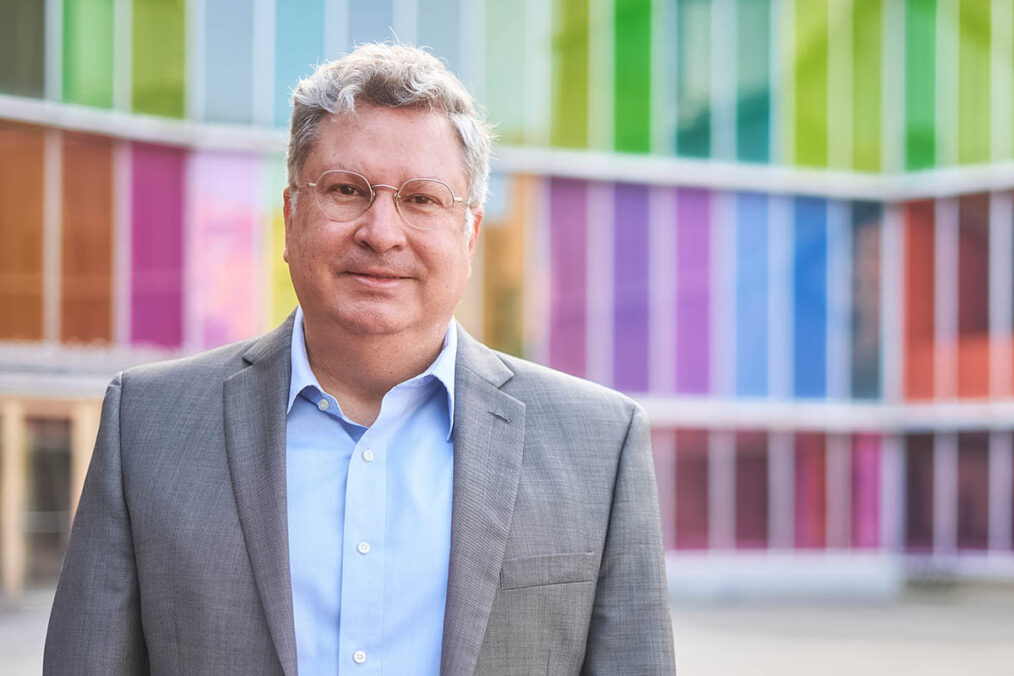
We actually met at the VARIOUS OTHERS dinner in Munich, where you were on the jury for the VO Award, the Award for an Outstanding Exhibition. How important are international networks to you? How do you nurture those connections over time?
VARIOUS OTHERS is a great initiative that turbocharges Munich’s art ecosystem. It was inspiring to witness the city’s museums participate in this festival in a celebratory way. You cannot understand the international without understanding the local; it is two sides of the same coin. For a cultural institution, the international means looking beyond our physical and political borders. They are complementary notions. I feel the international and its interaction with the local are relevant in today’s world, in the current condition of fear of the unknown and the other. If we look at the international, it helps us understand the other, as one of the great themes of today. I feel both concepts need to be brought closer together. When you nurture an international network, it is a great opportunity for growth for a museum, as it needs to adapt to other ways of making. This is why I believe that international collaborations play a significant role in an institution’s success.
Where do you see the most significant shifts happening in the global art world right now?
Regarding art, which is not the same as the art world, obviously, I see it in the tension between new technology and old tech, which we identify as ancient crafts such as textiles and ceramics. This is why I believe that today there is such a resurgence of these in opposition to new media; it is a reaction. As for the art world, I view it as still anchored in 18th-century models. There might be shifts in institutional practices, or even in some institutions themselves, where the object has become secondary in favour of public programmes. But holistically, I don’t see a radical paradigm shift there yet; it might emerge in the coming decades, but I have not been able to identify it at this stage. But again, this is a matter open for interpretation and discussion. We need to maintain the independence of institutions to achieve the museum’s missions. One might counter that the market, understood as a negative force, is eroding the independence of institutions. Still, this tension already appears when you read Seven Discourses on Art, by Joshua Reynolds, starting in 1769, so it’s nothing new.
Since 2021, you have been the director of MUSAC. What key priorities did you want to put into practice?
On the one hand, to refocus the programme by broadening its narrative and media scope. At the same time, we launched several initiatives to address long-delayed infrastructure upgrades, strengthening the institution and enabling us to better fulfil our core mission as a museum.
What responsibility does MUSAC have toward Spanish artists? What responsibility has it for society?
As a public museum, we are part of the museum network of the autonomous region of Castilla y León; we are governed by a founding bill that states the museum’s mission, including fostering exhibitions of artists born or based in the province. We are not a national museum, so this shapes our programme. Approximately half of our programmes are devoted to Spanish artists, with a strong focus on commissions for regional artists through a programme instituted in 2022, including Belén Rodríguez, Esther Gatón, and Saelia Aparicio. But it is important to note that the museum’s location in the city of León was intended to provide an economic anchor for a province afflicted by population loss due to the lack of economic prospects after the mining industry ended. As a result, the museum finds itself in a complex position regarding the local population’s expectations, valued not just as a source of inspiration, but as a lifeline for the region.
What does a typical workday look like for you?
Not as exciting as one might guess. A flood of administrative and legal tasks devours a bunch of my working hours. But luckily, it also involves thinking holistically about the programme and the museum, paying studio visits, engaging in exciting collaborations with other museums, building networks, and lastly curating. I don’t curate many shows at the museum myself, but I always make sure to be deeply involved in at least one central project, which is more than enough. I began my career as a museum curator in the Canary Islands in 2001, and deep inside, that is the most fulfilling task for me.
Do you have a favourite spot in the museum?
This has to be the education laboratory, designed by Studio Animal as a place for mediation and sharing. It is instrumental to our community-building efforts. Studio Animal drew inspiration from the philosophy of Herman Hertzberger for this project, while respecting the design of the building by Mansilla and Tuñón.
There are currently four exhibitions on view. How does an exhibition program like this actually come together?
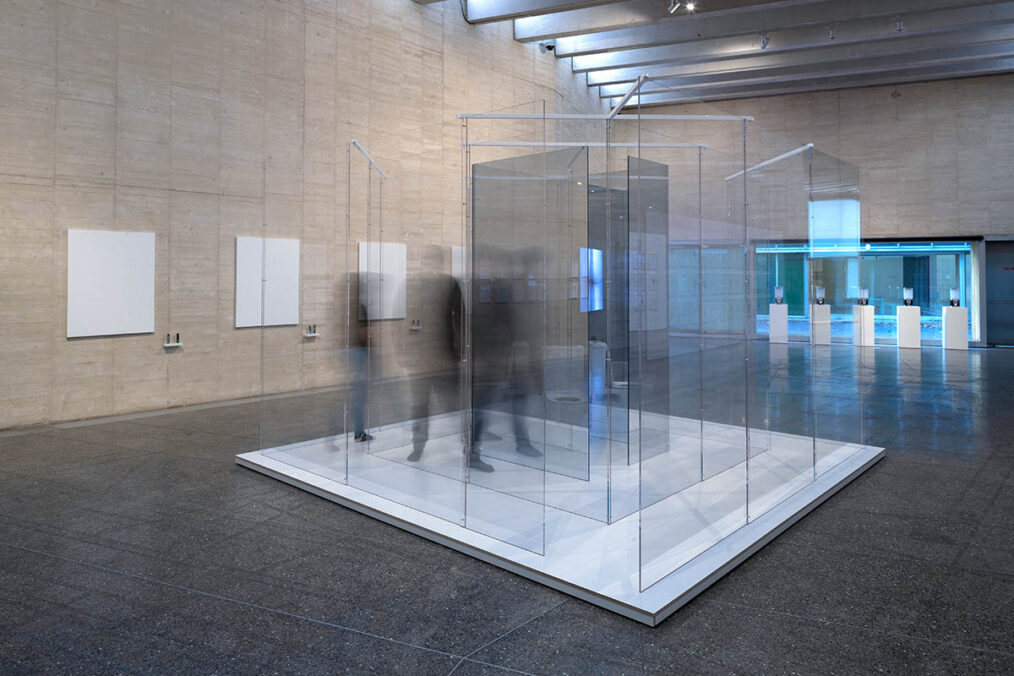
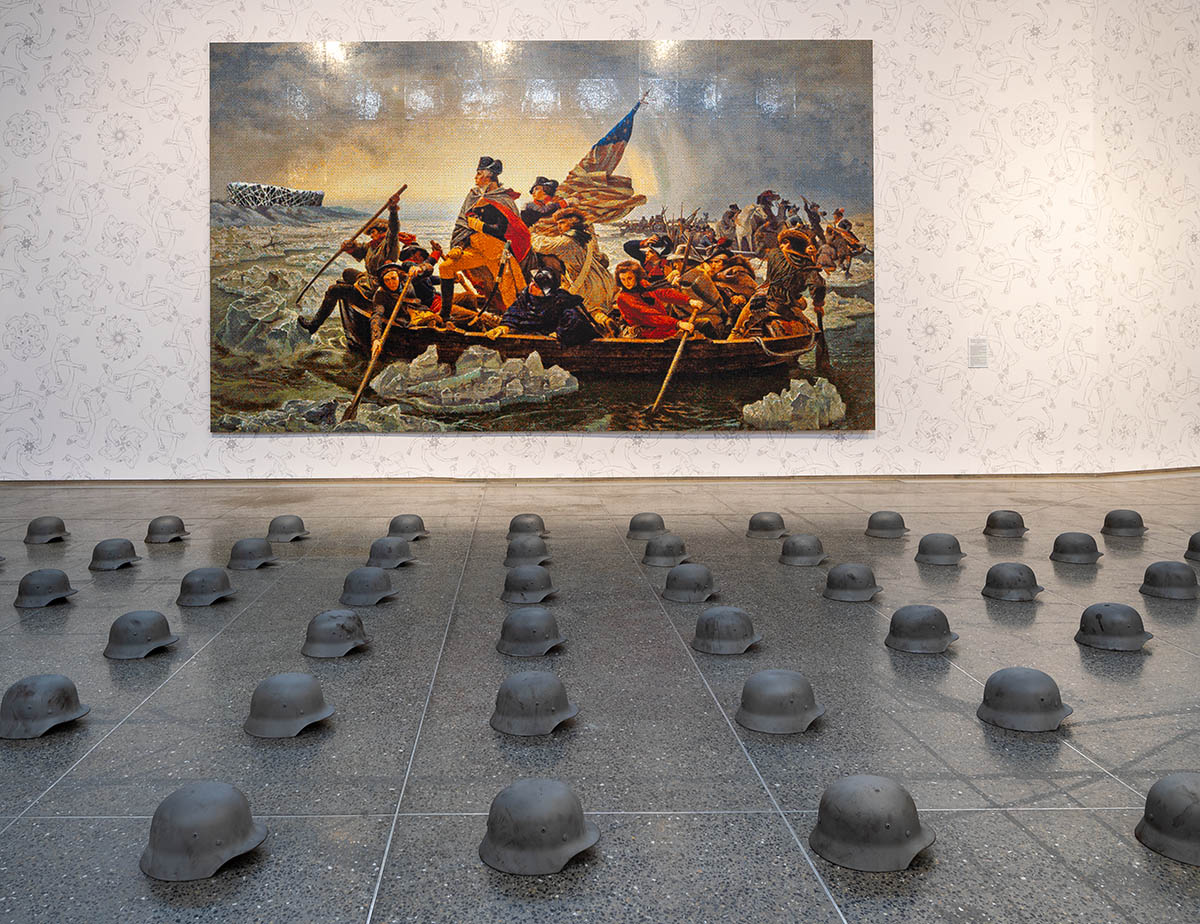
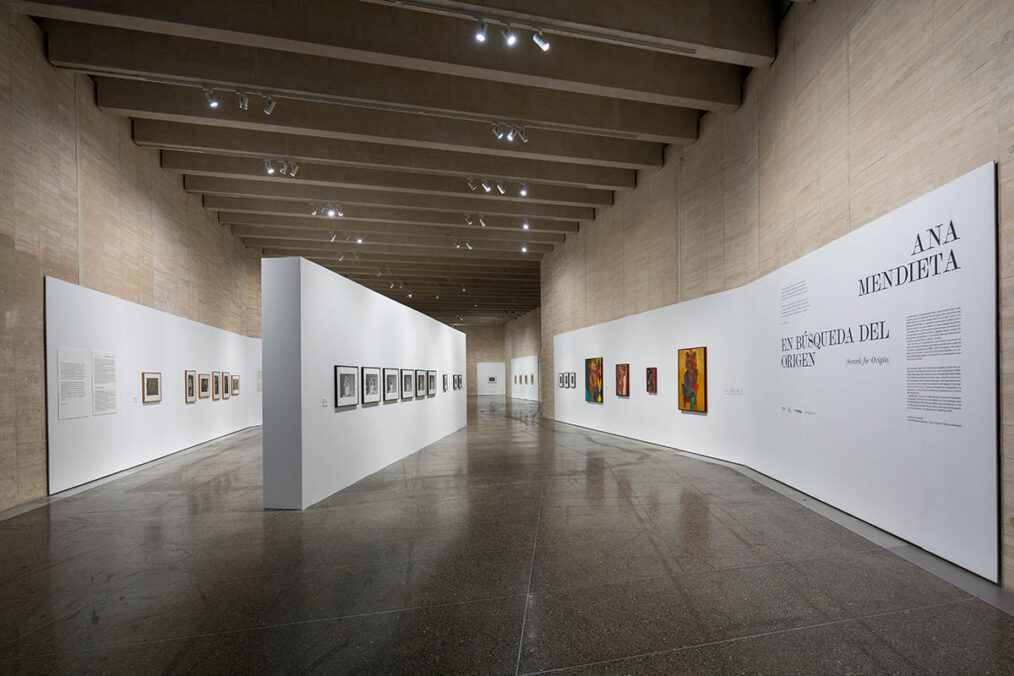
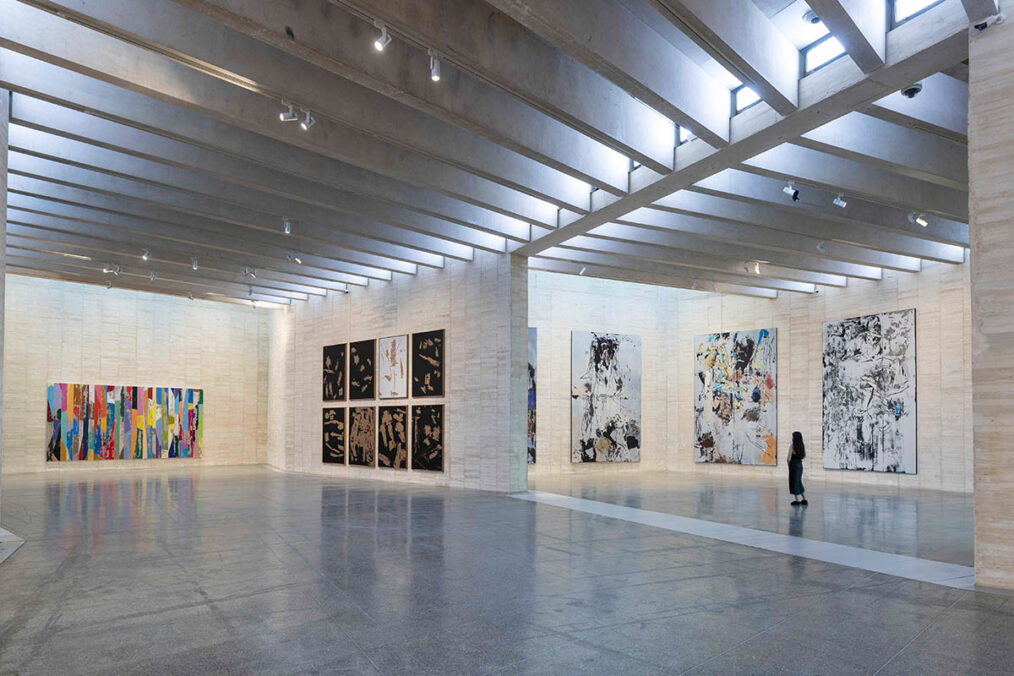
There are several vectors to consider when thinking holistically about the programme. The museum’s history and mission, the architecture, and the context, both in terms of the local and what other museums are doing and programming in Spain. It is a complex analysis in which I aim to minimize the influence of my personal taste. I don’t think that relying on taste is a great way to shape an institution. Still, it does trickle in, even unconsciously, as we cannot deny the influence of taste in the development of art history. The most obvious constraint is budgeting, as resources are by definition limited. But surprisingly it is not the most important factor. First comes the set of ideas we want to research or the generation of artists we want to prioritize when preparing the programme. It is like writing a book: curating is not the only metanarrative, but programming is as well. You need coherence since the projects interact with one another, particularly in MUSAC’s almost continuous architecture, which is not confined to discrete spaces but is almost an endless serpentine or Moebius strip. This endless condition of the galleries creates frictions but also curatorial opportunities. It is important to note that three of the current exhibitions are collection shows. One is a long-term presentation, and the two shows operate as temporary curatorial devices. These involve guest curators and research that the whole team participates in, particularly as many works have not been shown since the museum’s opening in 2005. Creating new discourse through these in-depth collection exhibitions is one of the main strategies of our programme. Our collection was mostly formed in the early 2000s and provides an accurate snapshot of that period. It includes major works by artists such as Pipilotti Rist, Alfredo Jaar, Dora García, and Pierre Huyghe.
Public programming like guided tours, concerts, and readings is becoming increasingly prominent. How do you see this development, and is the growing range of offerings still manageable given the resources available?
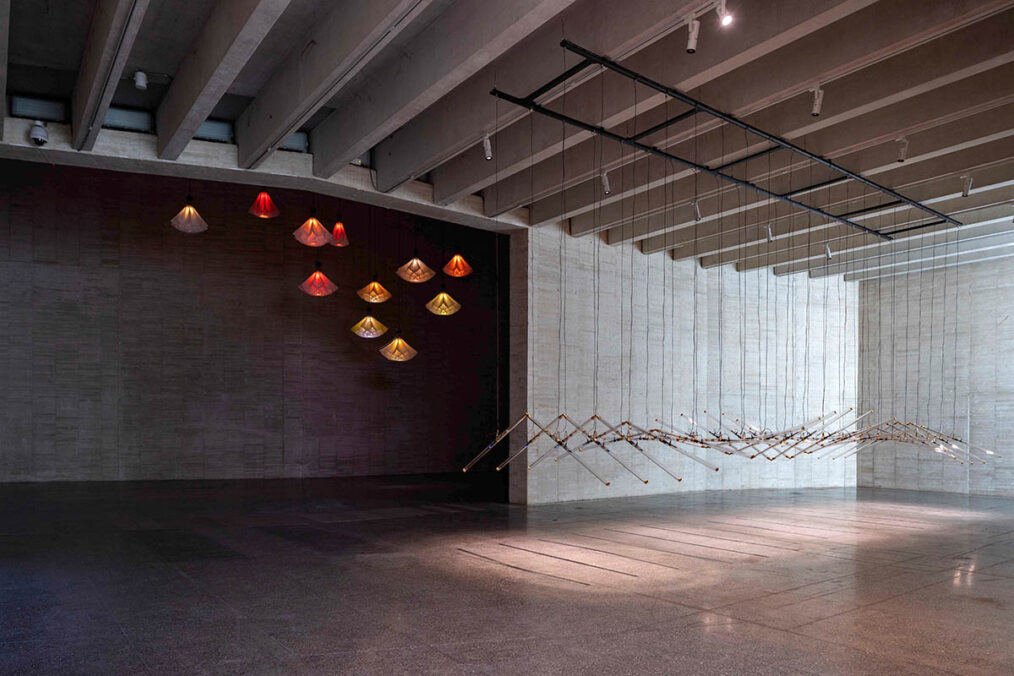
Museum structures have adjusted to reflect this shift and reality. A few years ago, we would not have thought about the possibility of a curator of public programmes, but now it is standard museum practice. Areas that require this specialized knowledge include moving image, performance art, and performing arts; they allow us to engage with different communities. Moving image and film are areas that we cultivate with particular depth through a collaborative project that champions budding Spanish experimental filmmakers.
What’s next for you personally? What’s next for MUSAC?
We are currently immersed in the final preparations for a large Michelangelo Pistoletto retrospective opening this Fall. And as for myself, I have learned not to plan too much; you never know what the future might hold.
Address and contact:
Museo de Arte Contemporáneo de Castilla y León (MUSAC)
Av. de los Reyes Leoneses, 24, 24008 León, Spanien
www.musac.es