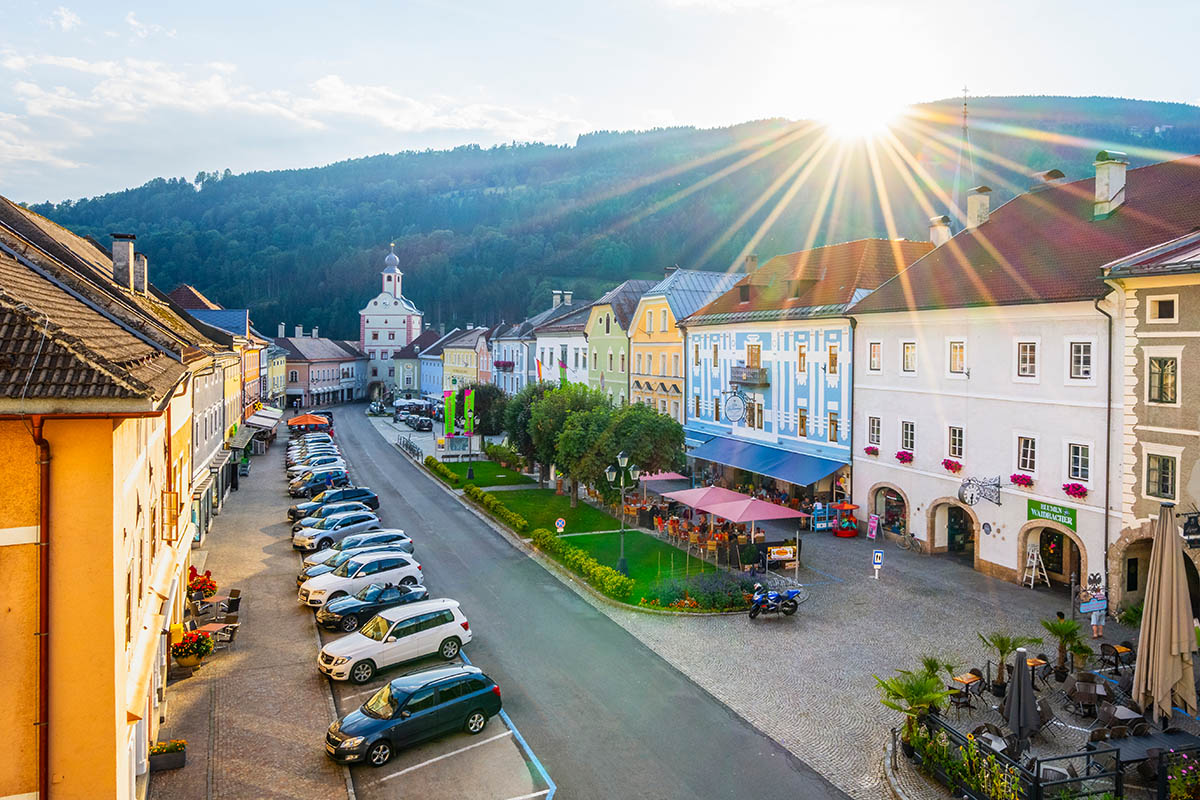
Birthplaces of historically important artists and writers. Medieval towns, literature of international renown. Historic city centers that invite you to explore, a fascinating landscape of mountains and lakes, and a rich cultural program. The Liaunig Museum, one of the most impressive private museums in Southern Carinthia. All of this unites the region: knowledge, people, visions, and attitude. Lieser and Malta Valleys to the Lavant Valley.
Gmünd, a historic town with about 2,500 residents in Upper Carinthia, near Lake Millstatt, situated between the Hohe Tauern National Park and the Nockberge Biosphere Reserve. A place that has been a part of my life since childhood: the Artist’s Town Gmünd. Even as a child, I spent a lot of time there, and I was amazed by the architecture, its wide variety of colors, and the atmosphere in the small town center; some of those images remain with me to this day. Over the years, Gmünd has remained timeless to me and has retained the vibrant radiance of my childhood. But a lot has changed.
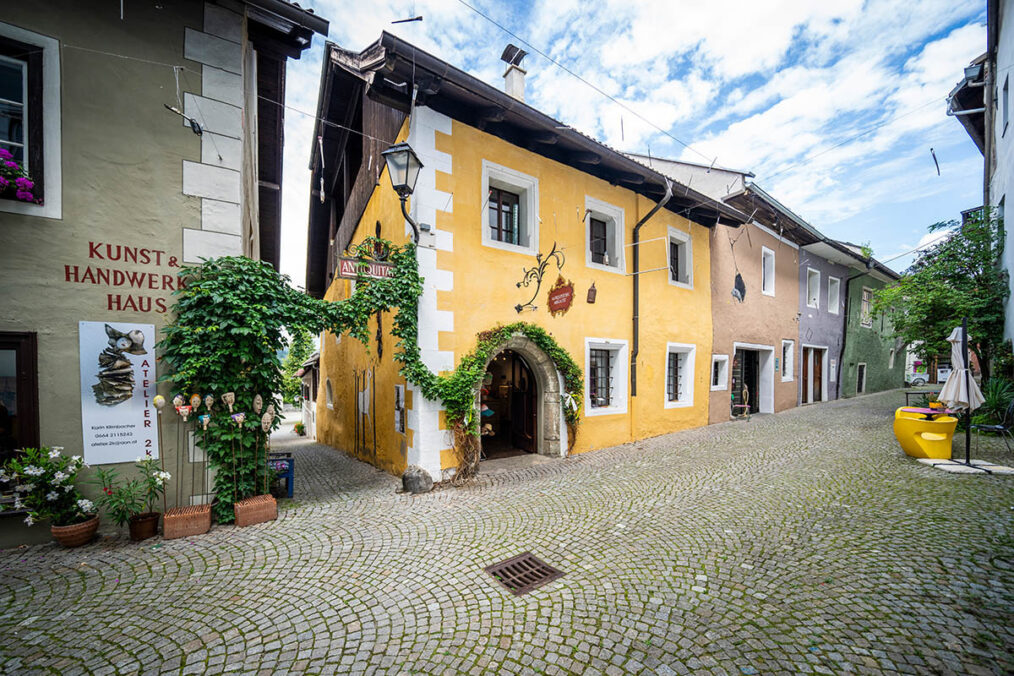
Calmness, familiarity, and, at the same time, curiosity. Away from the lakes, you encounter art and culture that come from people and their ideas, which are often taken for granted but shouldn’t be. It is precisely these that I want to highlight in this article, on a journey from Gmünd through Klagenfurt to Neuhaus. The people who shape the region’s cultural heritage, its identity and public image. Those who often work behind the scenes with little visible but crucial dedication.
Amid this idyllic atmosphere, cultural richness has developed here: galleries, exhibition spaces, museums, artists’ studios with Artist-in-Residence programs, public art, goldsmiths, art villas, and workshops. The cityscape is complemented by family-run businesses and restaurants that charm guests with regional cuisine and a nice atmosphere, as well as hotels where visitors can feel right at home.
The starting point for this development was the founding of the “Kulturinitiative Gmünd” in the early 1990s. Under the leadership of Heinz Miklautz, the idea emerged to use art and culture as a driving force for urban development. The goal was to revitalize the historic small town culturally and raise its profile beyond the region. In 1996, Dr. Erika Schuster took over as executive director of the cultural initiative and, together with staff and partners, further developed the concept of the “Artist’s Town“.
Under her leadership, new initiatives were continually launched until she handed over the reins to MMag. Julia Schuster in 2025. In conversation, Julia Schuster points out that Gmünd is supported by a dense network that has grown from within. This structure, she says, is the result of the city’s persistent development as an artists’ town. At the same time, art keeps the town alive: it breathes life into cafés, invites people to stroll, and creates something lasting.
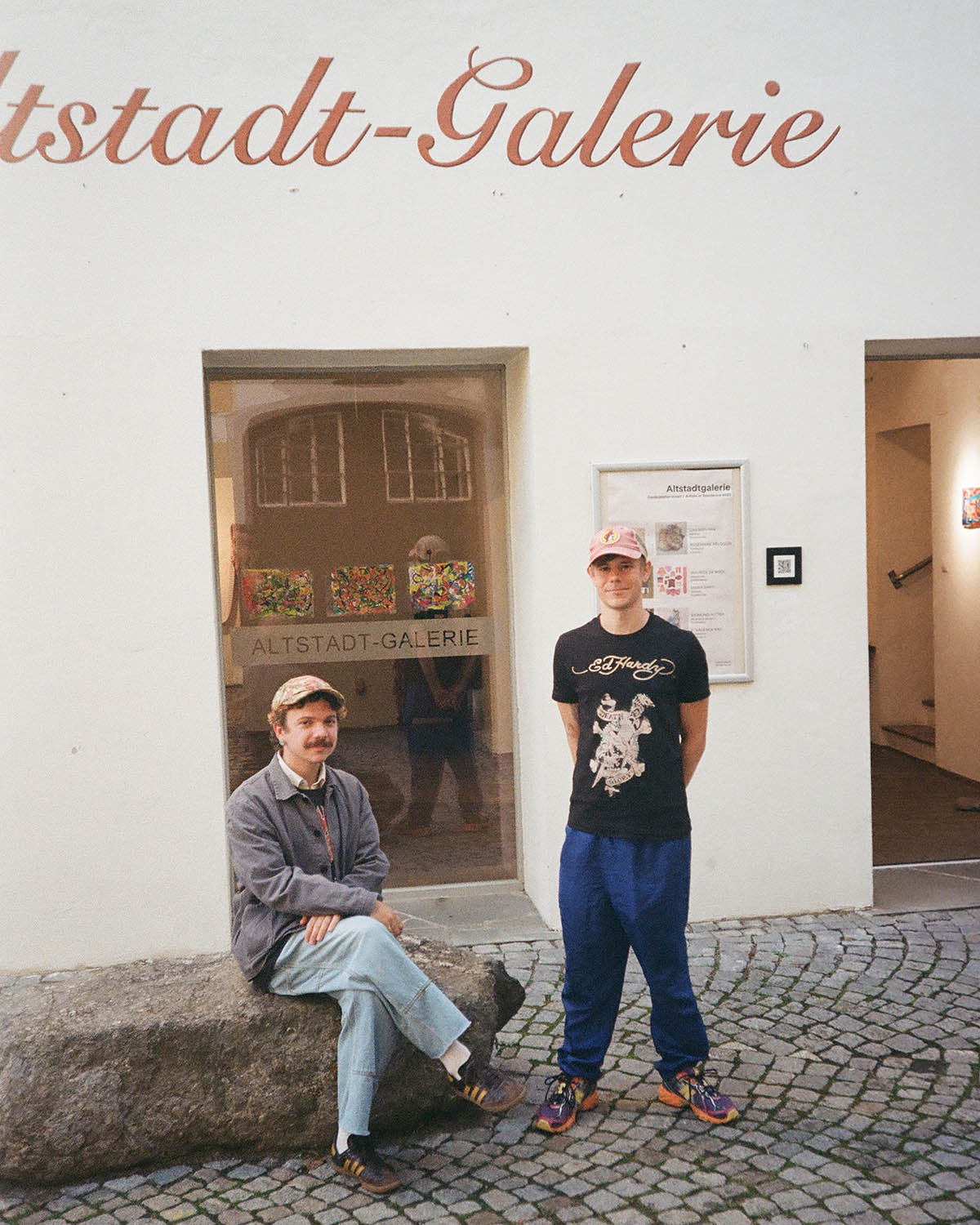
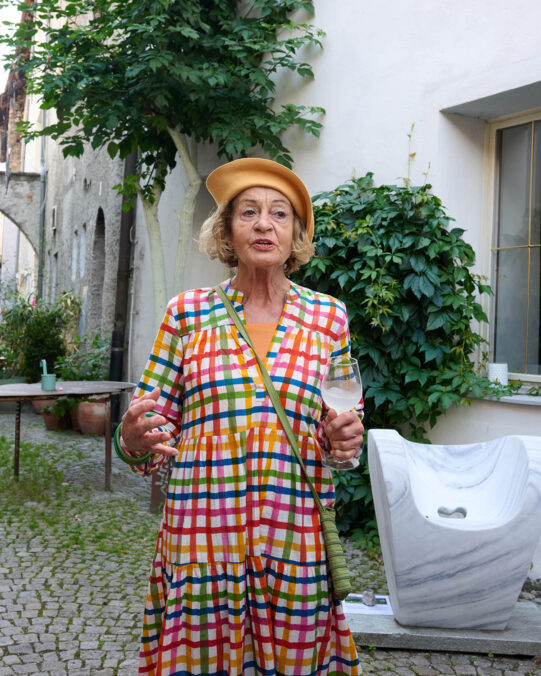
While walking through the alleys, we meet Margarete Miklautz, gallerist and art collector, one of the driving forces behind the initiative and someone who has been involved from the very beginning. Standing in front of her gallery, she recounts how difficult it was in the 1990s to make the alleys car-free, and how many discussions it took to bring about change. Today, this step is considered crucial to the city’s character. What began as a vision back then is now an integral part of Gmünd’s downtown: car-free alleys that invite visitors to linger and explore.
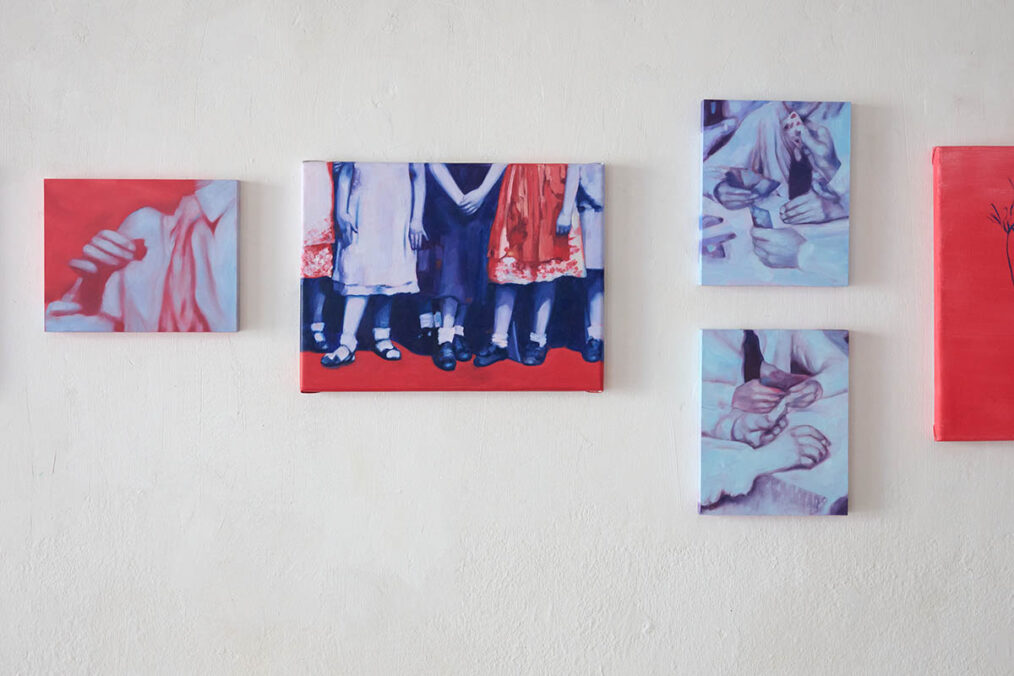
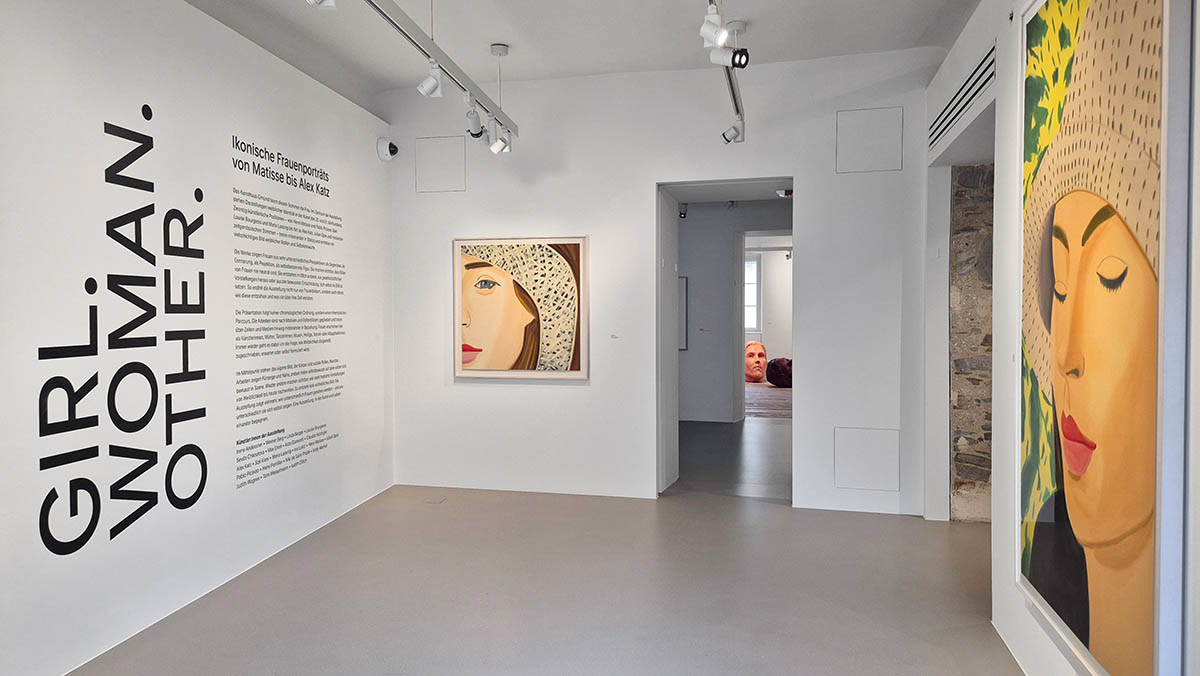
In 2025, a new chapter began: The Kunsthaus Gmünd opened and has since enriched the city with an annually changing program. The 2026 summer exhibition “Girl. Woman. Other. Iconic Portraits of Women from Matisse to Alex Katz” explores female identity through prints and sculptures from the 20th and 21st centuries. A series of film screenings, talks, and concerts accompanies the exhibition program.
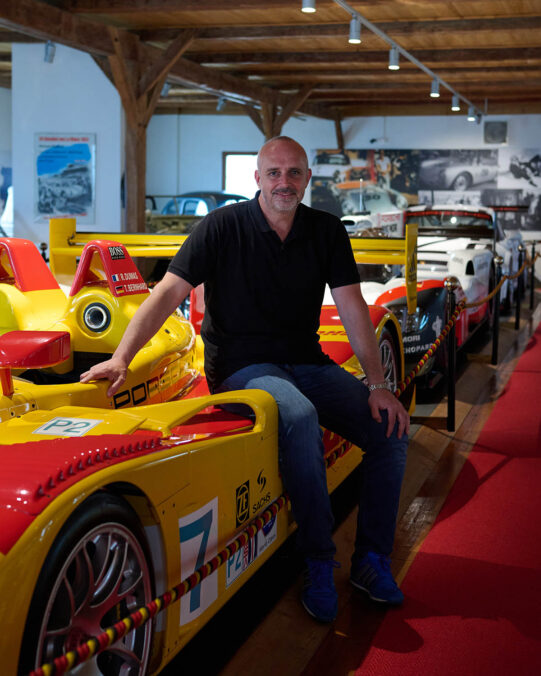
Christoph Pfeifhofer, too, contributes in his own way to the city’s national visibility. He is the second-generation director of the Porsche Automuseum Helmut Pfeifhofer, the only museum of its kind. His father, inspired by his wife Elisabeth, opened it in 1982. Christoph Pfeifhofer grew up immersed in the world of collecting from an early age. His stories focus not only on the vehicles themselves, but above all on their histories and those of their former owners. He preserves and shares this knowledge with great passion. It is particularly important to him to pass this enthusiasm on to the next generation: a connection already evident with his daughter.
Further information & useful links:
Künstlerstadt Gmünd – www.kuenstlerstadt-gmuend.at
Porsche Automuseum Helmut Pfeifhofer – www.auto-museum.at
Hotel & Restaurant Gasthof Prunner – www.prunner-gmuend.at
Café Konditorei Rudiferia – www.facebook.com/KonditoreiRudiferia
Café & Konditorei Nussbaumer – www.cafe-nussbaumer.at
Further information about the services and activities available in the Katschberg Lieser–Maltatal region can be found at: www.katschberg.at
Known far beyond its national borders, not only for Lake Wörthersee and tourism, but also for one of the most important literary prizes in the German-speaking world: the Ingeborg Bachmann Prize. Every June, the city transforms into a meeting place for authors and literary critics from all over Europe. In Klagenfurt am Wörthersee, cultural structures span different scales and complexities: established institutions, an independent scene, tourism culture, private initiatives, and festivals that give rhythm to cultural life throughout the year.
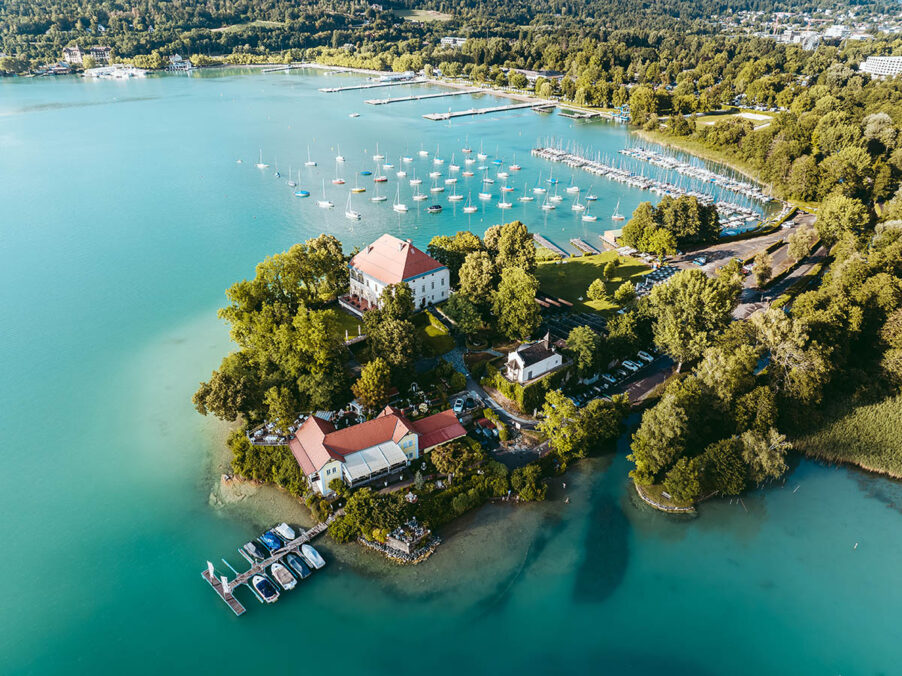
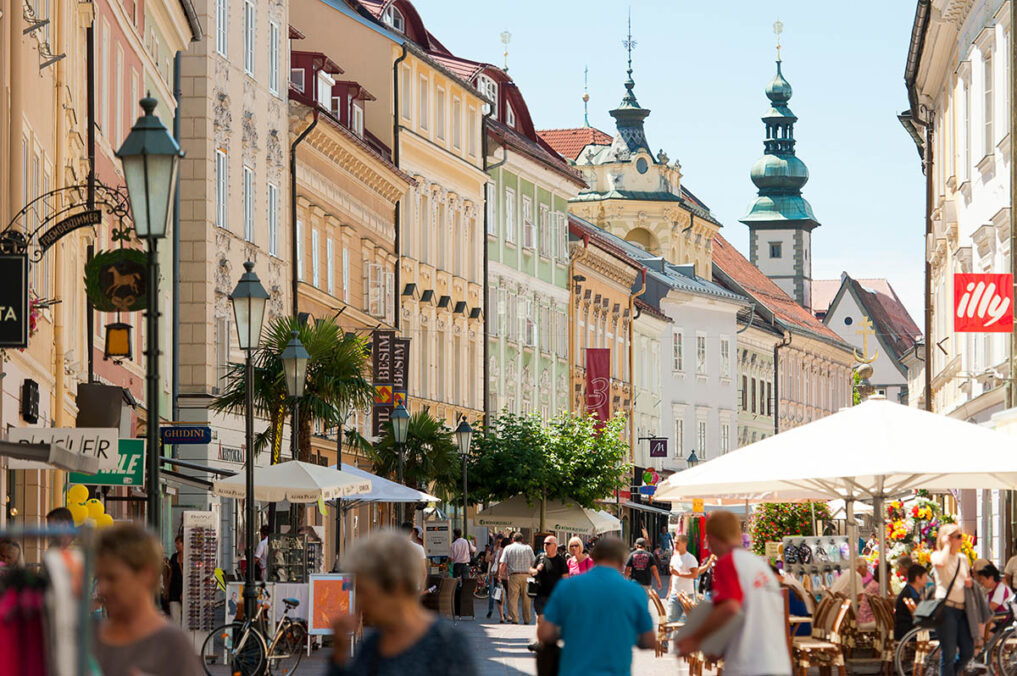
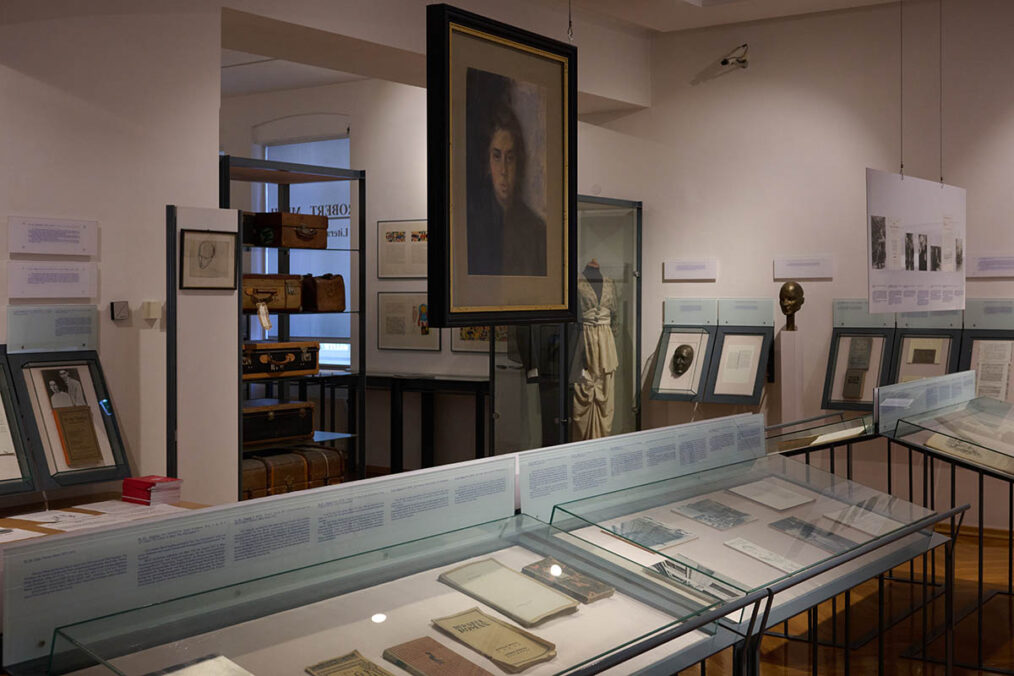
Klagenfurt has a Mediterranean feel: wide squares, arcades, Baroque facades, and picturesque courtyards. Away from Lake Wörthersee, the old town offers a variety of dining options, such as the Kochwerkstatt on Benediktinerplatz, as well as small cafés and galleries that keep the neighborhood active. Robert Musil Literary Museum on Bahnhofstraße, the MMKK – Carinthian Museum of Modern Art, the Kunstverein Kärnten, the Klagenfurt City Gallery, the Maria-Lassnig-Atelier, the City-Theatre Klagenfurt, and the Ingeborg Bachmann House; they all offer a comprehensive panorama of cultural institutions.
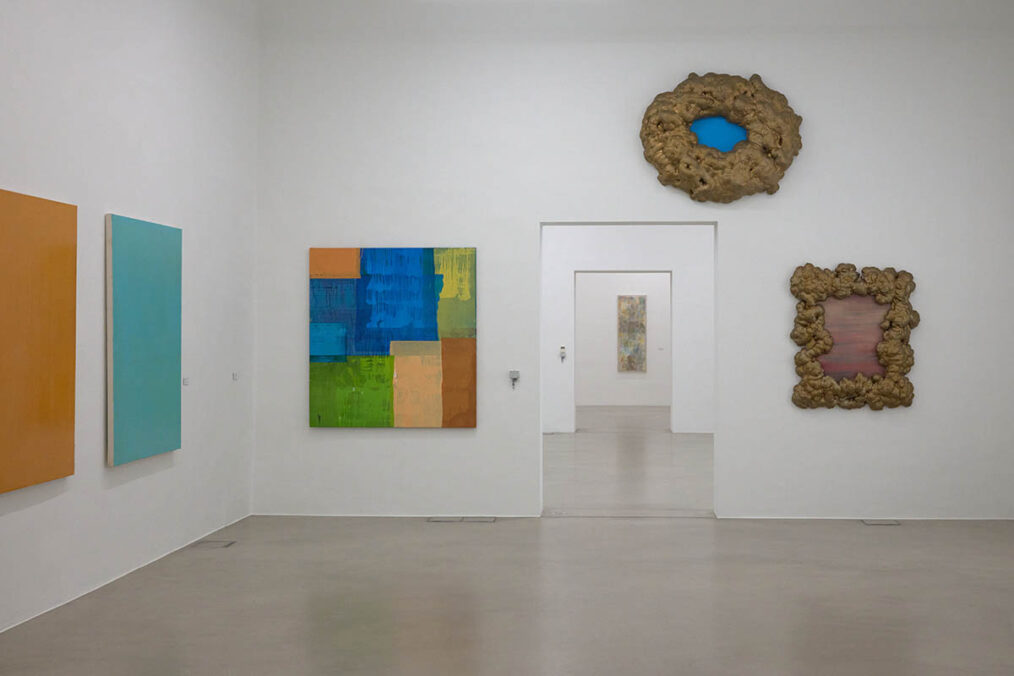
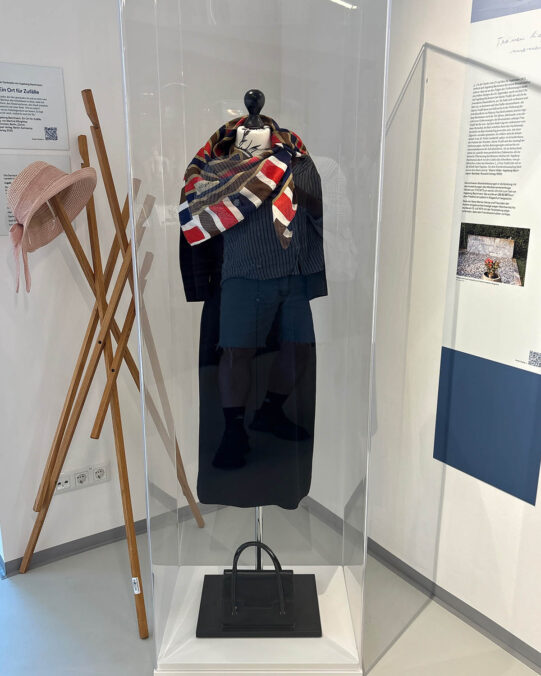
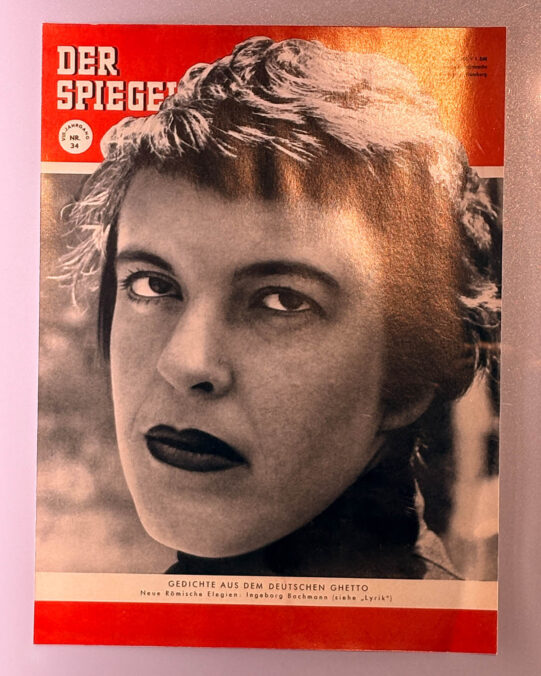
In a conversation with Dr. Heimo Strempfl, director of the Robert Musil Literary Museum, I realized once again that cultural initiatives are more than just events on a calendar for a city like Klagenfurt; they are a network, an economic driver, and a source of identity all at once. Bringing together cultural creators makes connections that have an impact far beyond the moment: scholarship recipients become publishers, readings lead to opportunities, and encounters turn into collaborations.
A fresh view from outside not only strengthens the local arts scene but also has an impact on economic and social spheres, and, in the long term, shapes how a region is perceived.
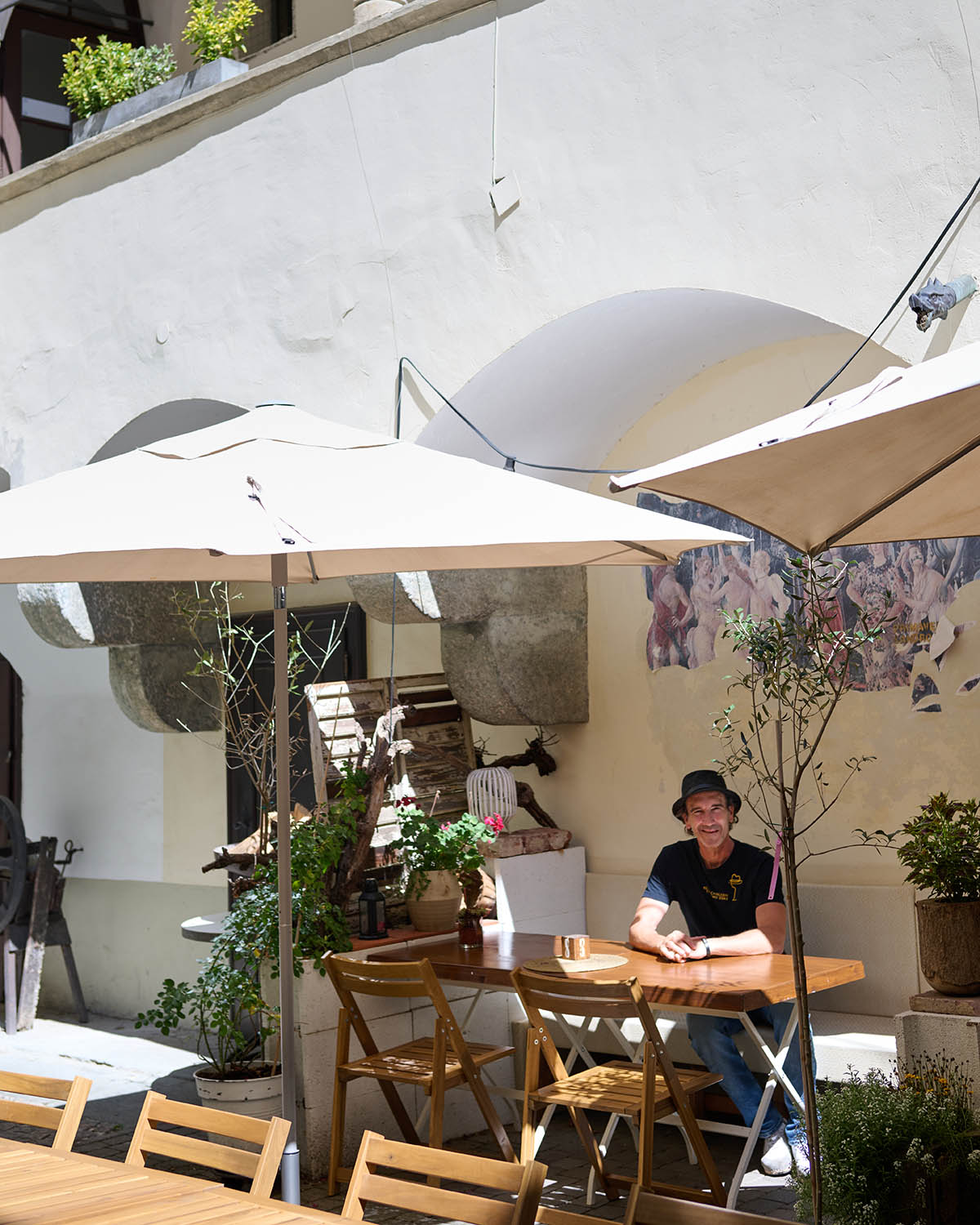
After getting lots of new impressions and needing a quick coffee break, we received a wonderful recommendation for a special dining spot: ZOMMSTEHN bei Igor at Wienergasse 10. It’s a place that immediately captivates: with outstanding cuisine, great espresso, and a beautiful courtyard. Under the motto “talk, laugh, live”, former soccer player Igor Ogris has been running a place of a delicatessen, wine bar, and restaurant since 2020. The focus is on sustainable cuisine and regional products, presented with great passion and attention to detail.
Further information & useful links:
Kunstverein Kärnten – www.kunstvereinkaernten.at
Maria Lassnig Atelier – www.marialassnigatelier.at
Museum Moderner Kunst Kärnten – www.mmkk.ktn.gv.at
Robert Musil Literatur Museum – www.musilmuseum.at
Ingeborg Bachmann Haus Klagenfurt – www.landesmuseum.ktn.gv.at
Stadtgalerie Klagenfurt – www.stadtgalerie.net
Stadttheater Klagenfurt – www.stadttheater-klagenfurt.at
Hotel Dermuth – www.dermuth.at
Gasthaus im Landhaushof – www.gut-essen-trinken.at/der-landhaushof
Fischerwirt conamore – www.conamore.at
ZOMMSTEHN beim Igor – www.instagram.com/zommstehn_beim_igor/
Further information can be found at: www.visitklagenfurt.at
The final stop takes me to the Lavant Valley, the easternmost part of Carinthia; it borders Styria to the north and east, and the national border with Slovenia runs along its southern edge. For centuries, the Lavant Valley was the spiritual and economic center of the region; the Benedictine Abbey of St. Paul in the Lavant Valley, founded in the 11th century, is one of the most important monasteries in Central Europe and houses one of the world’s richest private libraries.
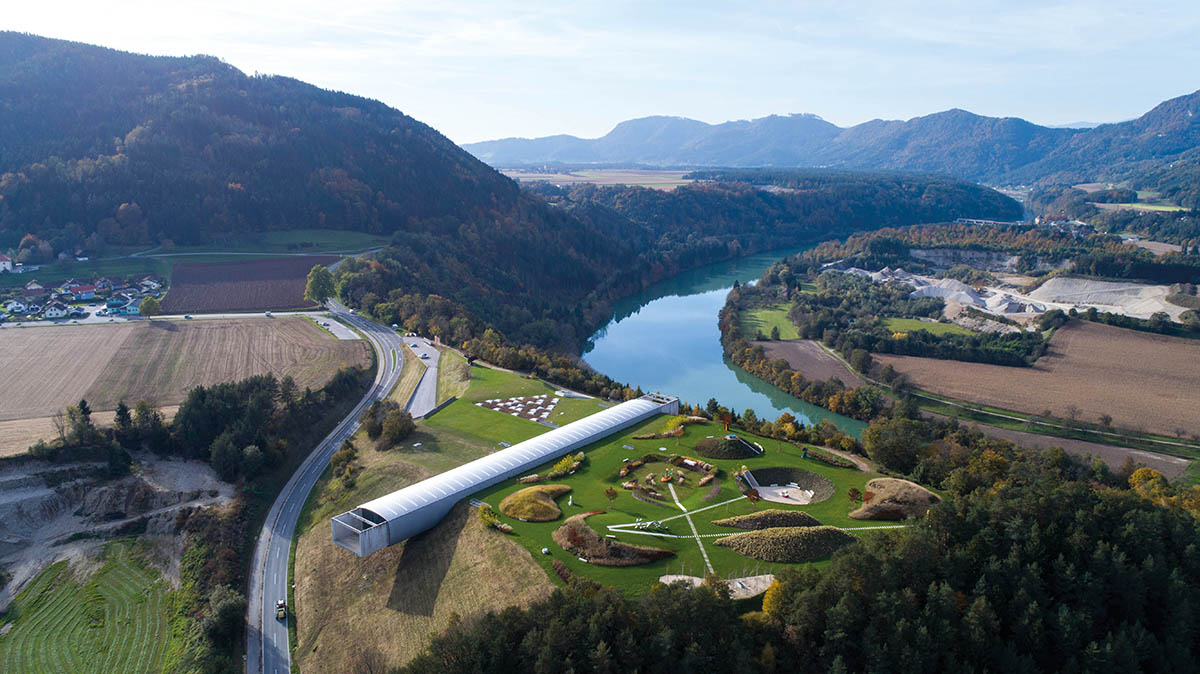
Not far from there, you’ll find two buildings that could hardly be more different. Yet each stands on its own: the Werner Berg Museum in Bleiburg, dedicated to the work of one of the 20th century’s most idiosyncratic painters, and the Liaunig Museum in Neuhaus, one of Austria’s most outstanding private museums with a great collection of contemporary art.
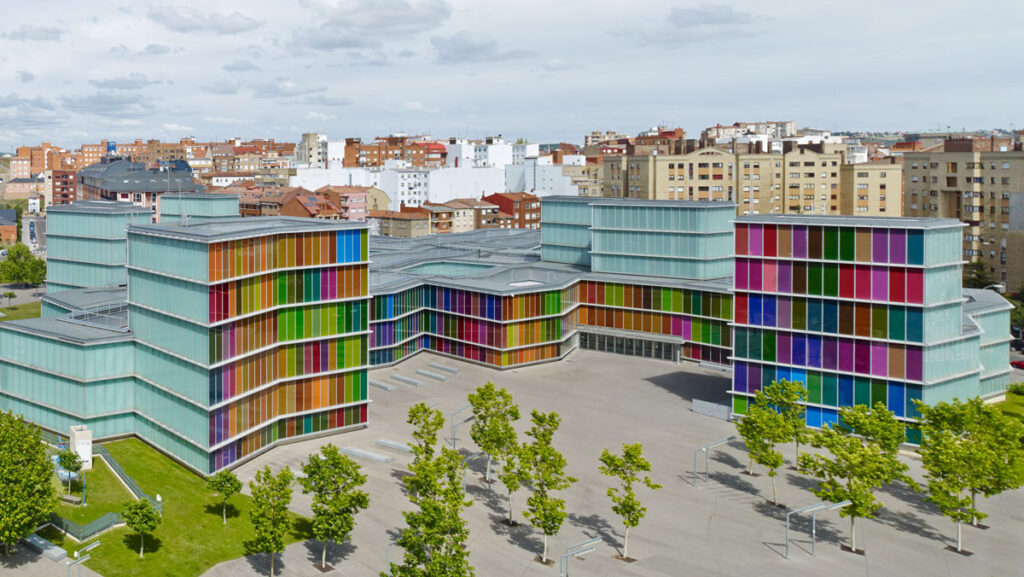
As early as 2012, the Museum Liaunig was designated a historic landmark as one of Austria’s newest buildings and has since been regarded as a pioneering contemporary architectural landmark. But it is not only the architecture that impresses; the depth of the program is equally important. The 2026 season focuses on sculpture and object art. The exhibition “(UN)DEFINED. Sculptural Works from the Liaunig Collection”, curated by Alexandra Schantl, explores the development of sculpture since 1945 and brings together over 200 works by approximately 100 artists, ranging from classical figurative works to conceptual and experimental forms.
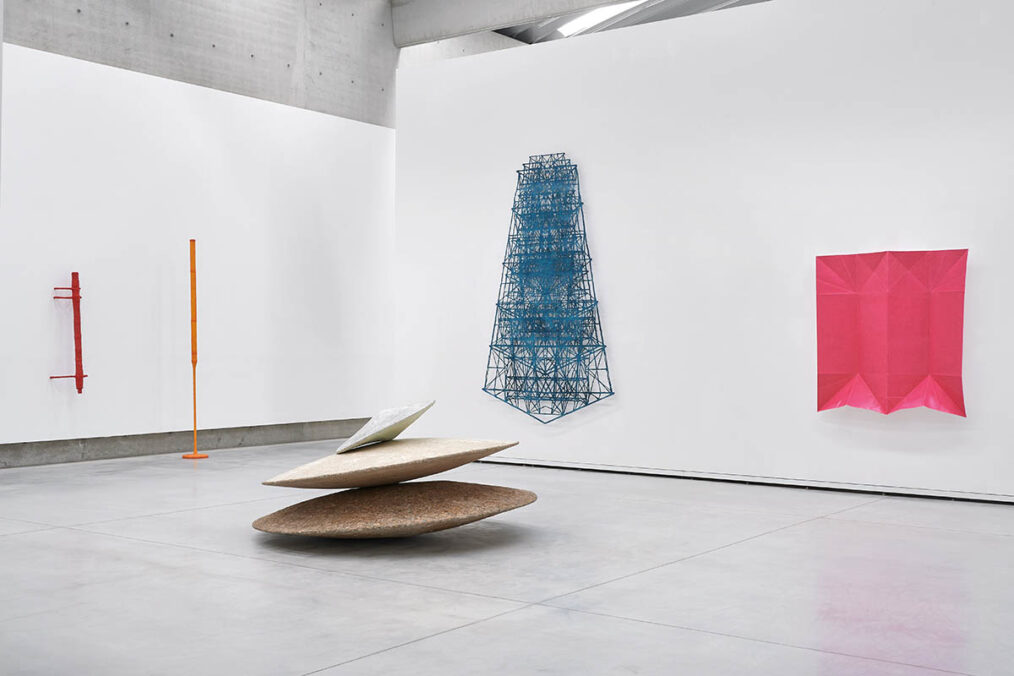
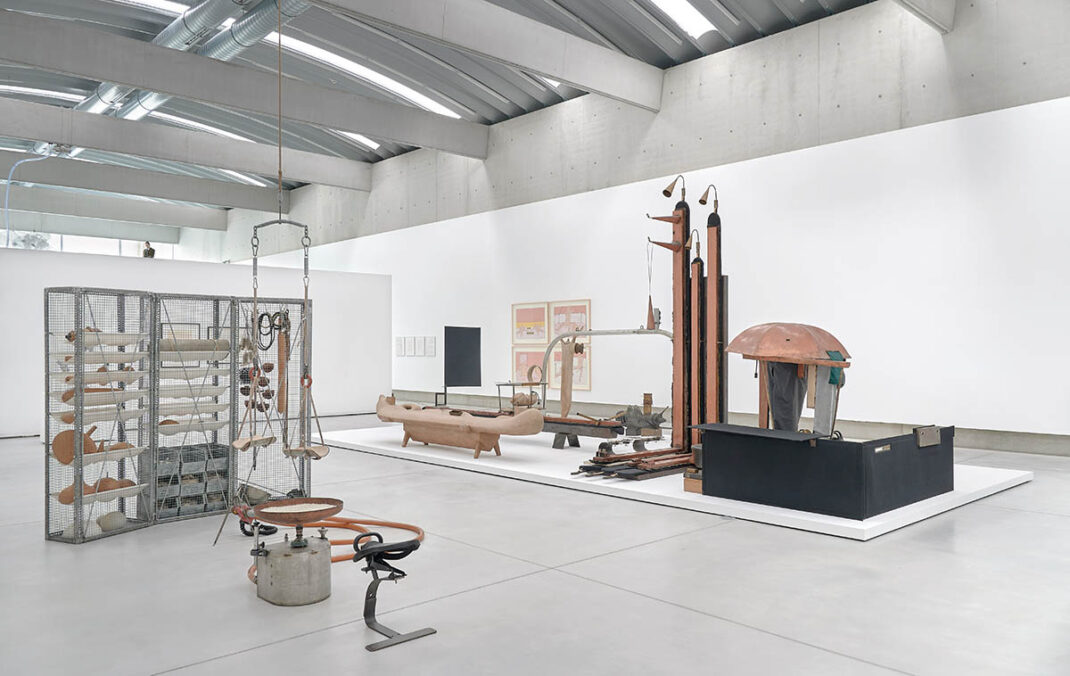
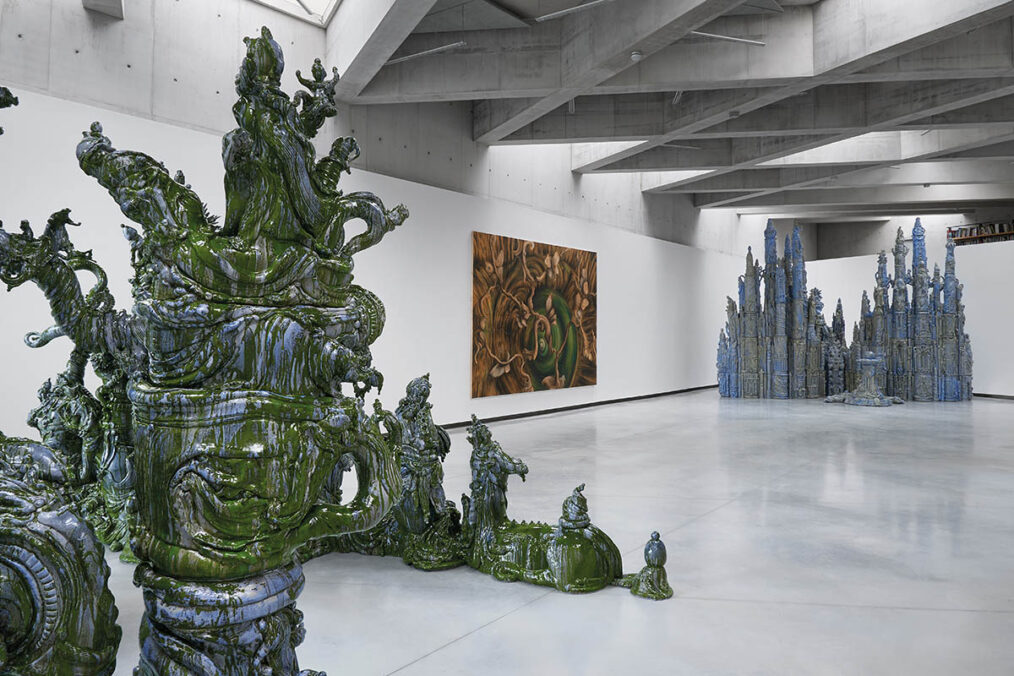
Accompanying the exhibition “(UN)DEFINED. Sculptural Works from the Liaunig Collection” are several other fascinating exhibitions. These include “Elmar & Elisabeth Trenkwalder – Paintings and Sculptures” (until 19 July 2026), a retrospective dedicated to Hellmut Bruch on the occasion of his 90th birthday. Opening on 2 August, the exhibition presents his entire artistic oeuvre. Other highlights include “Walter Schramm – Photographs: Art in Dialogue” on display in the Graphic Arts Wing and “Robert Tauber – Attributed to the Space” at the „Skulpturendepot“, curated by Alexandra Grimmer. Another section of the museum is dedicated to key areas of the collection: African gold objects from the Akan people, historical glassworks, and portrait miniatures. This combination of collections is rarely found under one roof.
The sculpture park spreads out in open space above the building. Between the trees, the view opens up far across the Drau River and the surrounding hills; the sculptures seem as if they had always been part of this landscape.
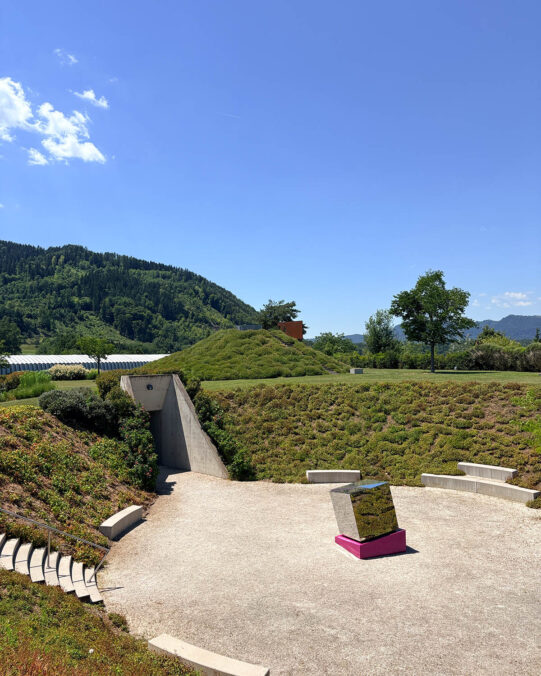
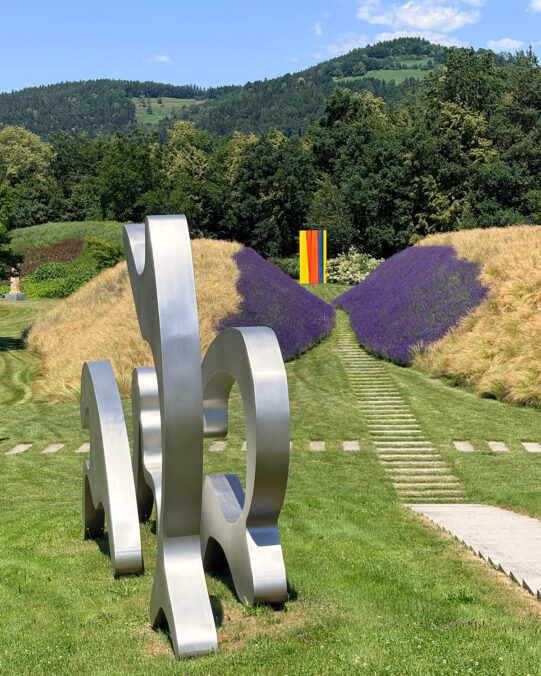
Here too, it is the people who define the place: the Liaunig family and the museum team bring significant works of art to the museum year after year. They curate exhibitions that encourage dialogue with visitors and continuously reinvent the museum in the process.
In the early 1930s, this landscape attracted many interesting people, including the German-Austrian painter Werner Berg. Together with his wife, Amalie “Mauki” Kuster, he acquired the Rutarhof, a mountain farm in the Carinthian lowlands near the Slovenian border, where he settled with his family and his friend, the poet Curt Sachs. Werner Berg’s work centres on rural life, the landscapes of Carinthia and the people who shaped them. His paintings document the rhythms of agricultural existence – labour, the changing seasons, and daily life, rendered in a visual language that is at once reduced and deeply expressive. What makes his work enduring is its ability to capture something harder to define: the particular bond between people and the land they inhabit.
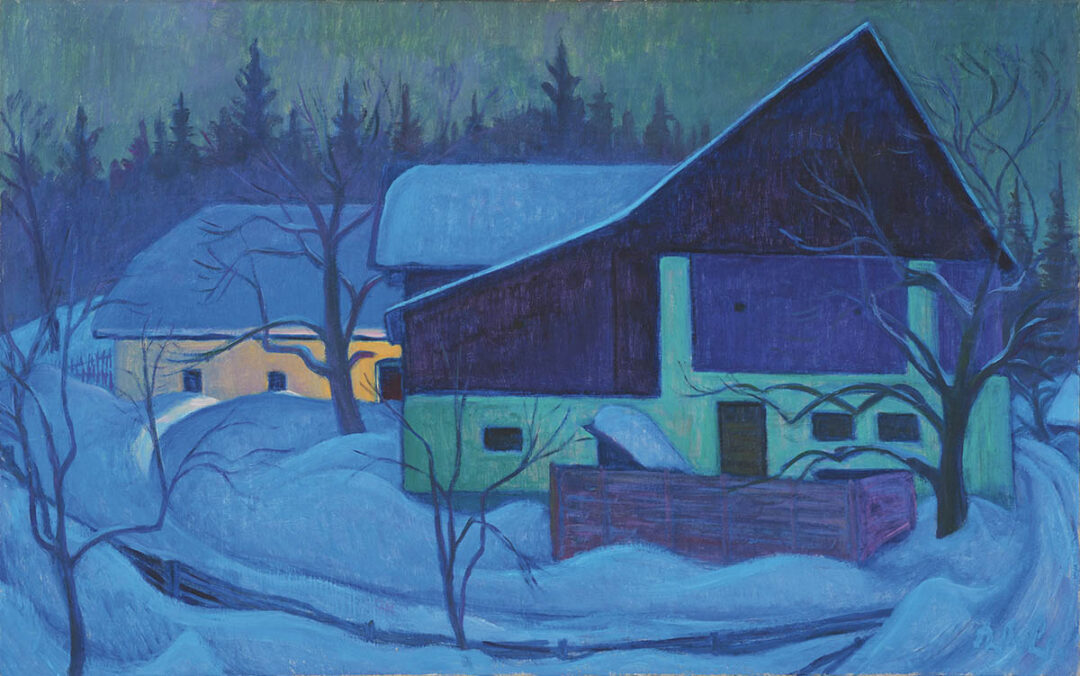
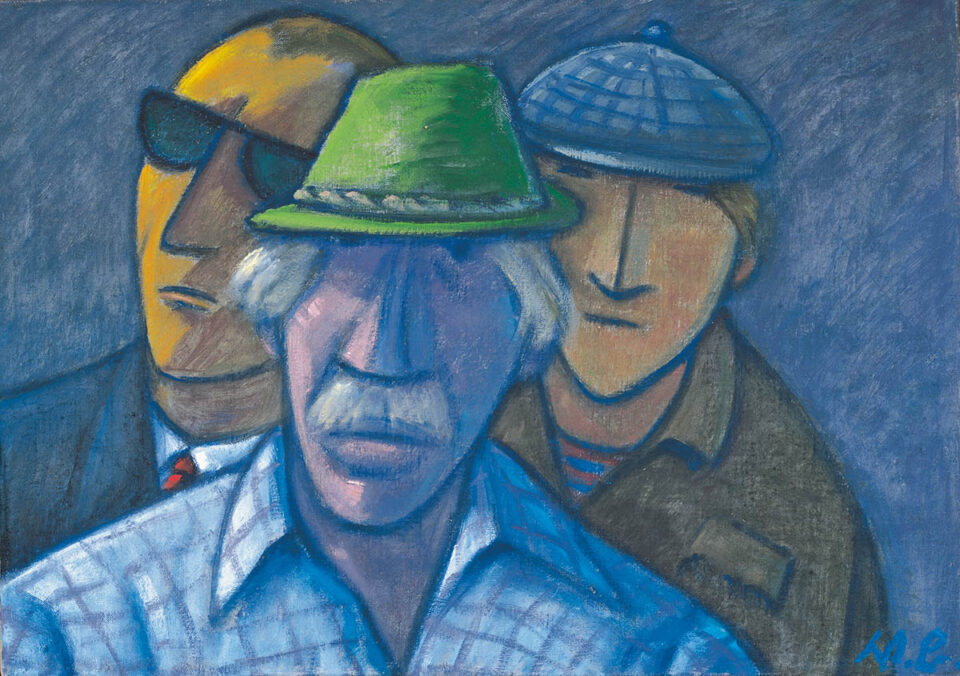
Since 2004, the Werner Berg Museum has regularly hosted temporary exhibitions that engage in a dialogue with the artist’s body of work; his works are placed in relation to national and international artistic movements. In 2026, visitors can see the exhibition “Microcosms”, featuring works by Mercedes Helnwein, Alberto Giacometti, and Werner Berg. All three portray their unique microcosms.
Perhaps this marks the good beginning of a journey through Carinthia: a region consisting of many different, beautiful microcosms, easy to explore, and yet offering diversity that reveals itself anew with every visit.
Further information & useful links:
Museum Liaunig – www.museumliaunig.at
Werner Berg Museum – www.wernerberg.museum
Abbey of St. Paul – www.stift-stpaul.at
Further information can be found at: www.suedkaernten.at