Historic architecture, museums, and galleries form a vibrant cultural landscape, one increasingly shaped by independent initiatives. This is where the TDOA*tour contemporary comes in (TDOA stands for “Tage der offenen Ateliers,” or “Open Studio Days” in English). As an extension of the annual Open Studio Days, TDOA*tour contemporary offers four independently curated tours across Lower Austria, connecting contemporary artistic practices with their regional contexts. Kulturvernetzung Niederösterreich organizes these tours annually throughout Lower Austria, making artists’ studios and workplaces accessible to a broader audience. The tours highlight and connect spaces that are otherwise rarely accessible to the public, offering visitors the opportunity to interact directly with local artists.
Gregor Kremser, Head of museumkrems and the Department of Culture, City of Krems, curated one of this year’s four tours in Krems (TOUR*Waldviertel). His close connection to the city’s cultural scene through his professional role makes him an ideal guide.
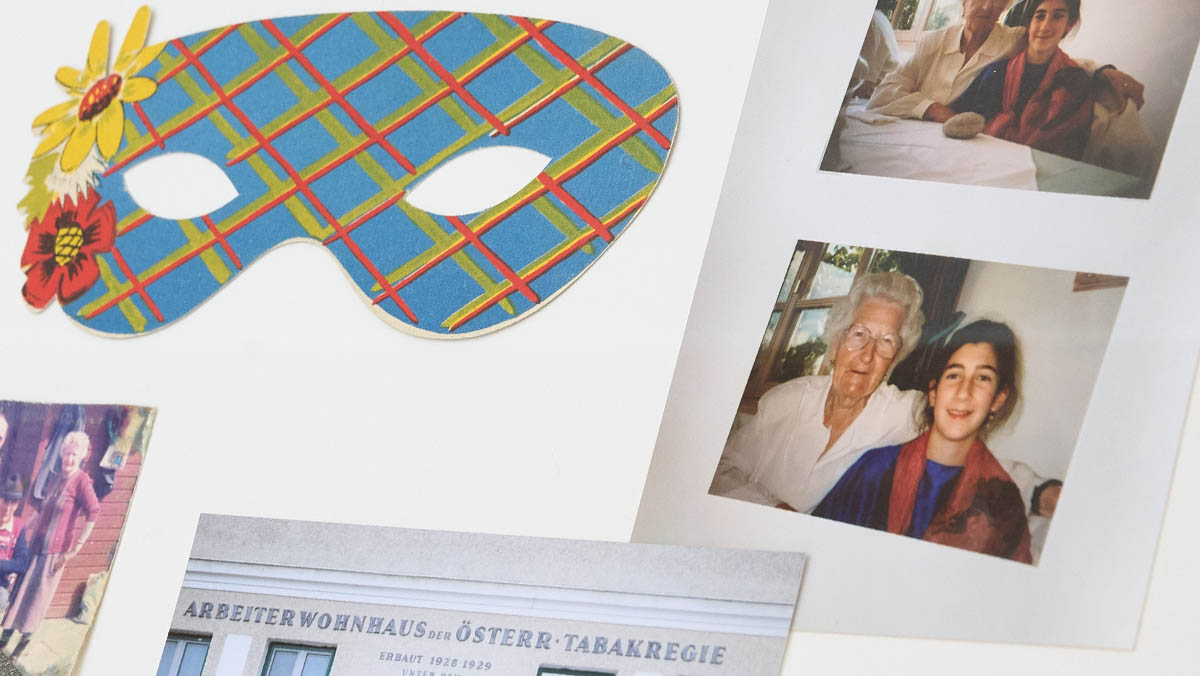
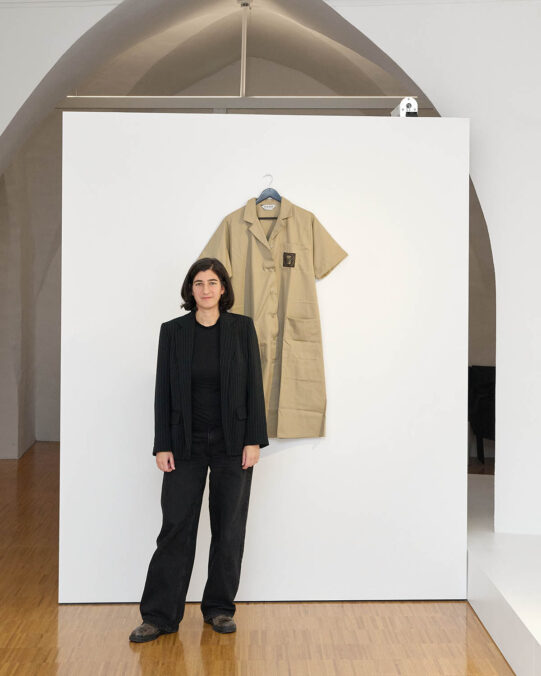
Our first stop was galeriekrems, located on the first floor of the former Dominican Church in the Krems city center and part of museumkrems. Currently on view is the solo exhibition, FRANZISKA, by Austrian artist Anne Glassner. In the exhibition, Anne Glassner unfolds the life story of her great-grandmother, Franziska Hackl, connected to the history of female tobacco workers at the tobacco factory Stein in Krems. Through photographs, videos, historical documents, and installations, she explores women’s history, working conditions, solidarity, and memory, linking family history with social history.
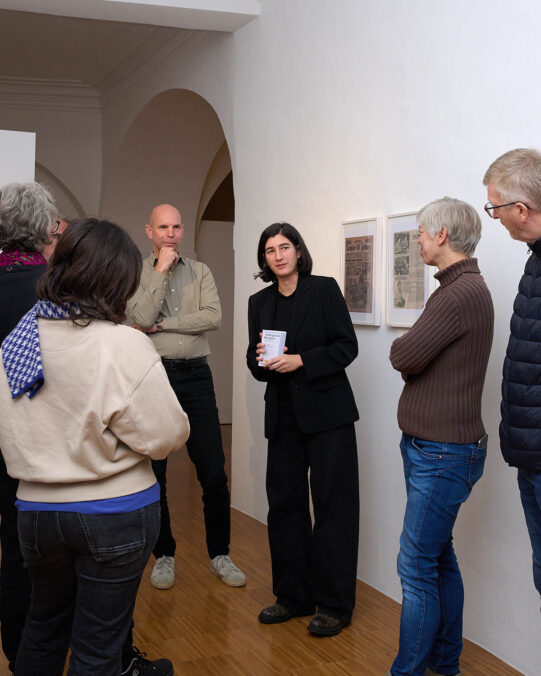
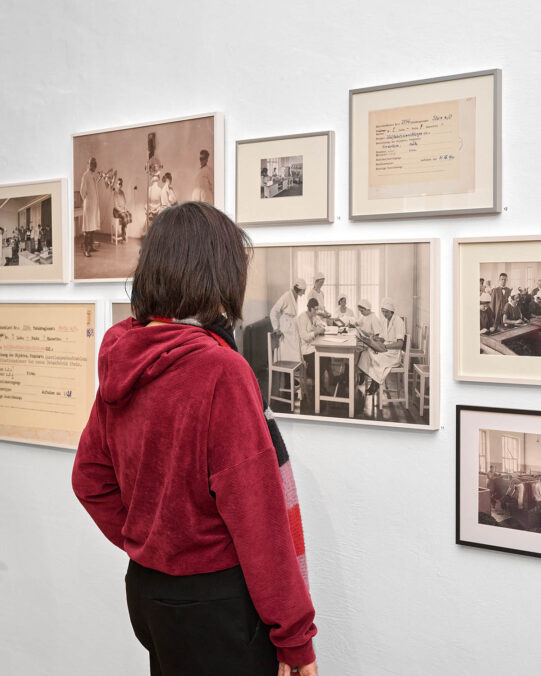
This led to a question during our conversation: To what extent did the Stein Tobacco Factory shape the city’s identity? How did people’s jobs help them feel connected to their community in the past?
Anne Glassner: Work was an essential part of many cities’ identities, including Krems an der Donau. Many women from various cities came to work at the tobacco factory. Many lived in workers‘ housing near the factory and spent their spare time together. The female workers met and organized themselves. This created a strong sense of community and lively social interaction, shaping the city’s structures.
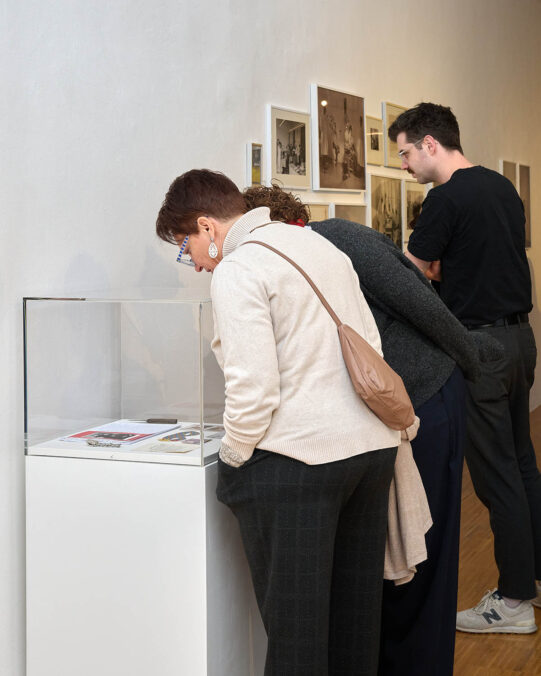
Until 15 November, the exhibition paper unlimited_02 is also on view at museumkrems. The exhibition showcases the diversity of contemporary graphic art in Austria. It features 52 positions selected from more than 600 submissions for the Erich Grabner Prize for Contemporary Graphic Art of the City of Krems 2026.
We continued to the studio of Vienna-born painter and sculptor Christian Gmeiner. His practice moves between figuration and abstraction; his work is known for projects on the culture of remembrance in public spaces around Austria. We were welcomed into his garden, where he told us about his upcoming project, and later in the studio he showed us a selection of works from recent years.
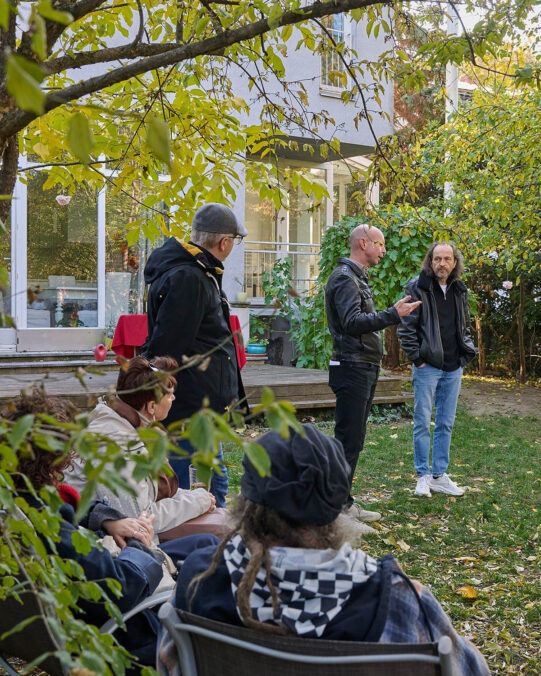
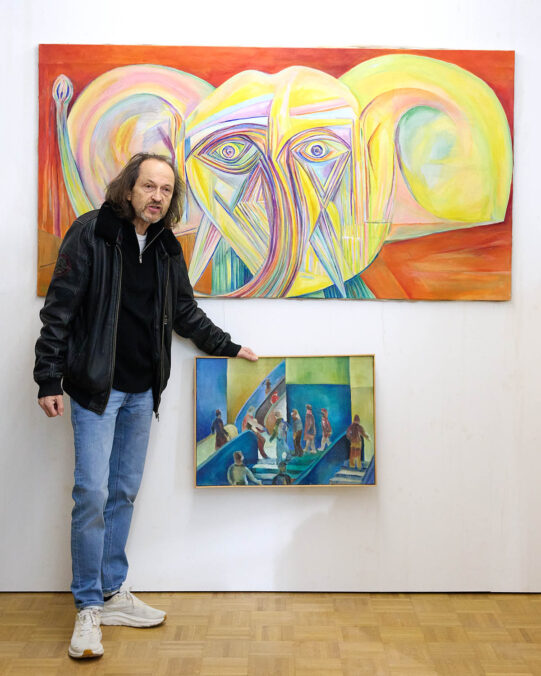
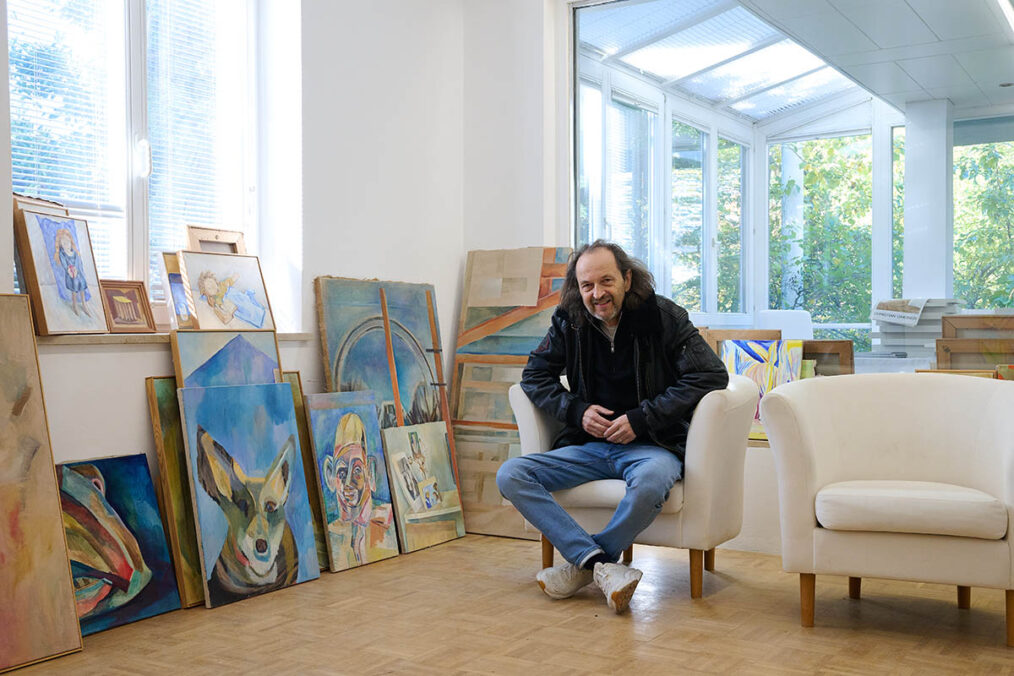
A studio is a private place for the artist. The TDOA*tour contemporary focuses on process-oriented ways of working. When do you prefer to work? What does your process look like?
Christian Gmeiner: I prefer to work at night, when everything is quiet, and everyone is asleep. Then I’m not distracted; I can leave the thoughts of everyday life behind and really delve deep. Often, a painting almost creates itself.
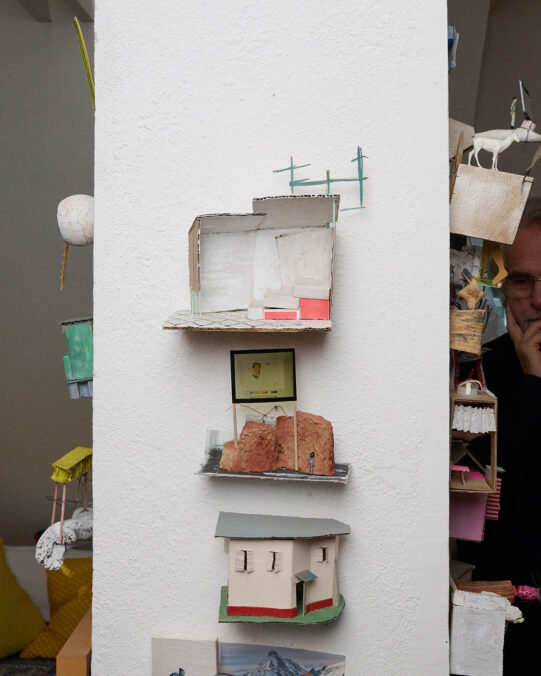
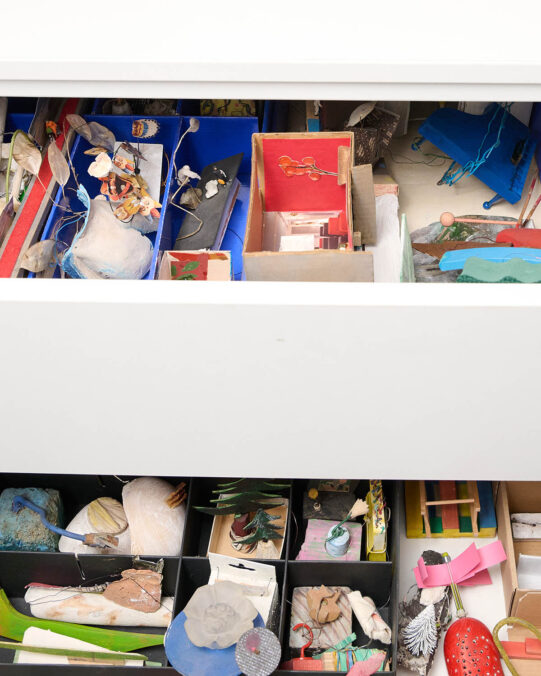
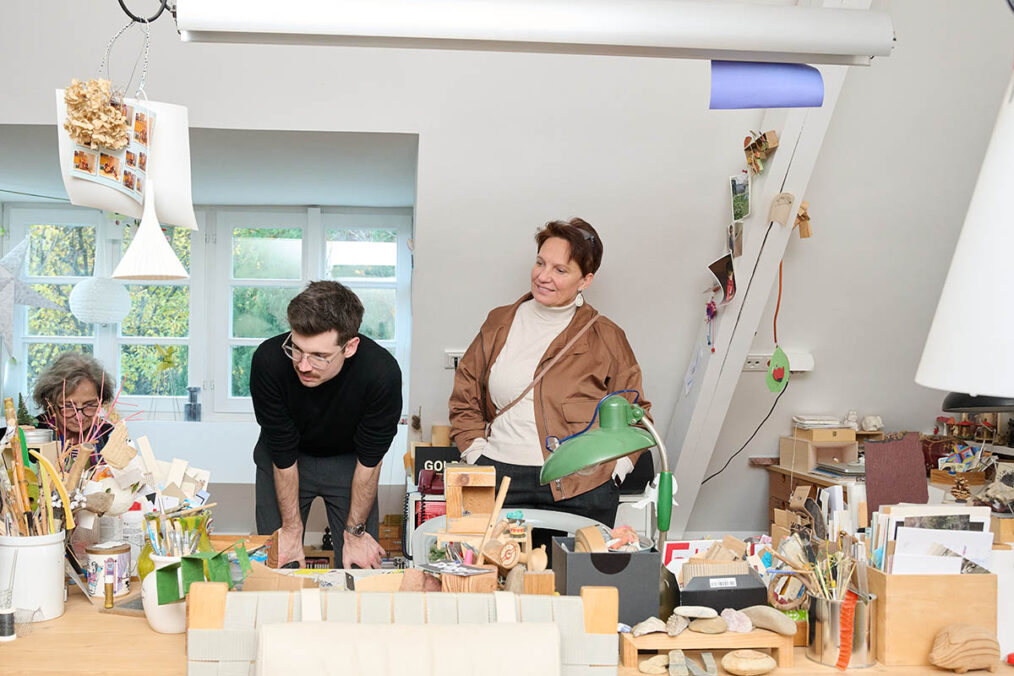
During lunch, participants exchanged opinions, and after it, it was time for our final stop. Elisabeth Homar’s studio. She works with everyday materials and found objects, assembling them into artworks. Her artistic practice explores everyday aesthetics and opens up new perspectives on familiar things. In the studio, one’s gaze is immediately drawn to a large desk where she spends her time creating.
In 1975, Krems was named a “Model City for Historical Preservation” and added to the UNESCO World Heritage List in 2000. But how does this historical legacy continue to shape the city’s cultural identity today? Toward the end of the tour, I spoke with Gregor Kremser about this. Krems is rooted in a rich cultural history, he said, and this heritage must continue to be developed, because a city where nothing cultural happens is just a shell of its past.
This is clear in the works of the three artists we visited: Anne Glassner reflects on the female tobacco workers in Stein; Christian Gmeiner explores the culture of remembrance in public spaces; and Elisabeth Homar focuses on everyday life.
Kulturvernetzung Niederösterreich – www.kulturvernetzung.at
More about the TDOA*tours contemporary here.