Un Mondo Proprio (A World of One’s Own), her debut photography monograph, has recently brought her growing recognition. Her work has been exhibited at the National Portrait Gallery, Magazzini Fotografici, Southern & Partners, Soho Revue, and other venues.
How is life in Naples? In your work, Naples is more than a geographical location; the city almost seems to take on a life of its own. When does Naples become the subject of critical reflection, and when does it remain a personal projection?
I struggle to know where to begin with Naples. Over time, the sea, the landscape, and the city itself have become presences in my life, each with its temperament. Everything seems to move, yet moments of almost absolute stillness emerge. Every affirmation contains its contradiction: private life spills into public space, poverty lives beside wealth, and decay persists alongside renewal. You learn to inhabit these contradictions, to remain yourself while surrendering something of yourself to the city.
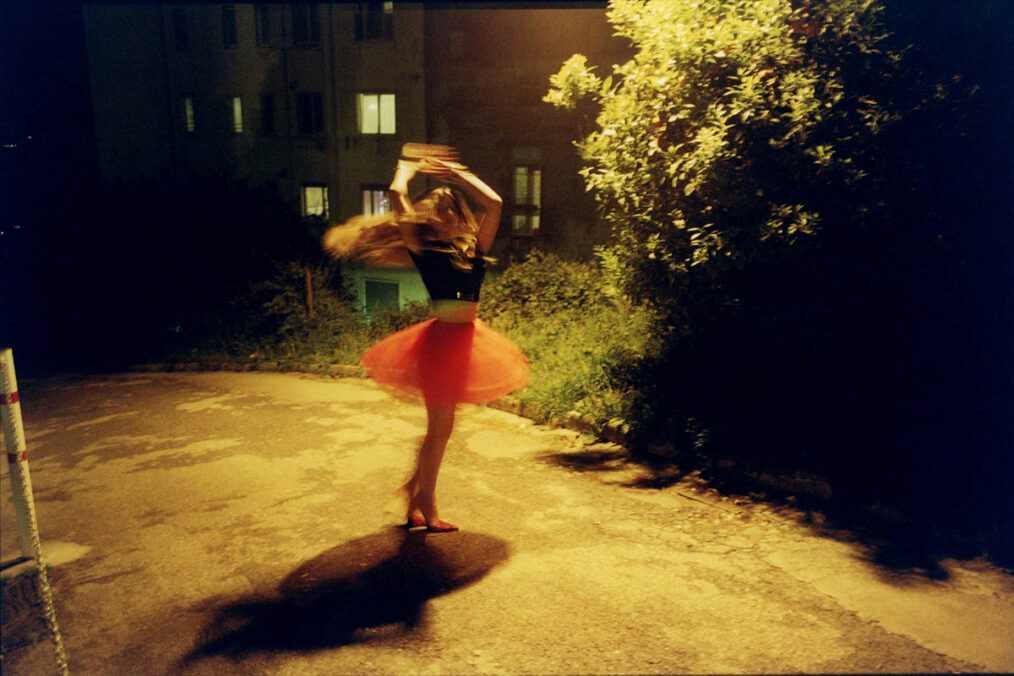
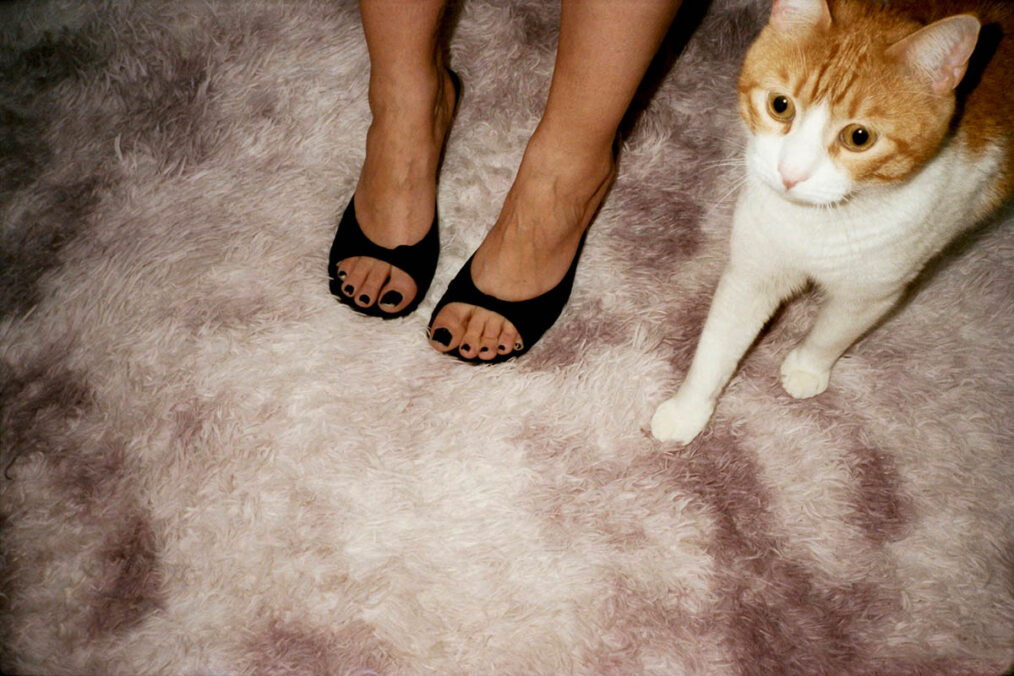
An attachment to Naples that can become almost morbid. I might defend it against an outsider’s criticism, even if I had made the same criticism myself the day before. My anger towards Naples is often proportional to my love for this city, as if my deep affection for a place makes its flaws even more depressing for me personally.
That contradiction enters the work, too. I look critically at the city, at its failures as much as its possibilities, but I also look with an instinctive loyalty that begins somewhere in the stomach. I care how it is seen, what is taken from it, what is misunderstood. Critical reflection and personal projection are rarely separate for me; each unsettles the other.
How do your projects come about? Do you start with a specific narrative or story in mind, or does it gradually unfold throughout the process?
I rarely know where a project begins, and I find it even harder to decide where it ends. I see no finality in the work, only another movement within a larger, continuing inquiry. Before I am an artist, I am a woman, and my responsibility begins with bearing witness to what I know. I grew up in Naples, within the particular boundaries of a neighbourhood, among women whose lives became entwined with mine through friendship, familiarity, and love. It is from that position, with all its intimacy and limitations, that I speak.
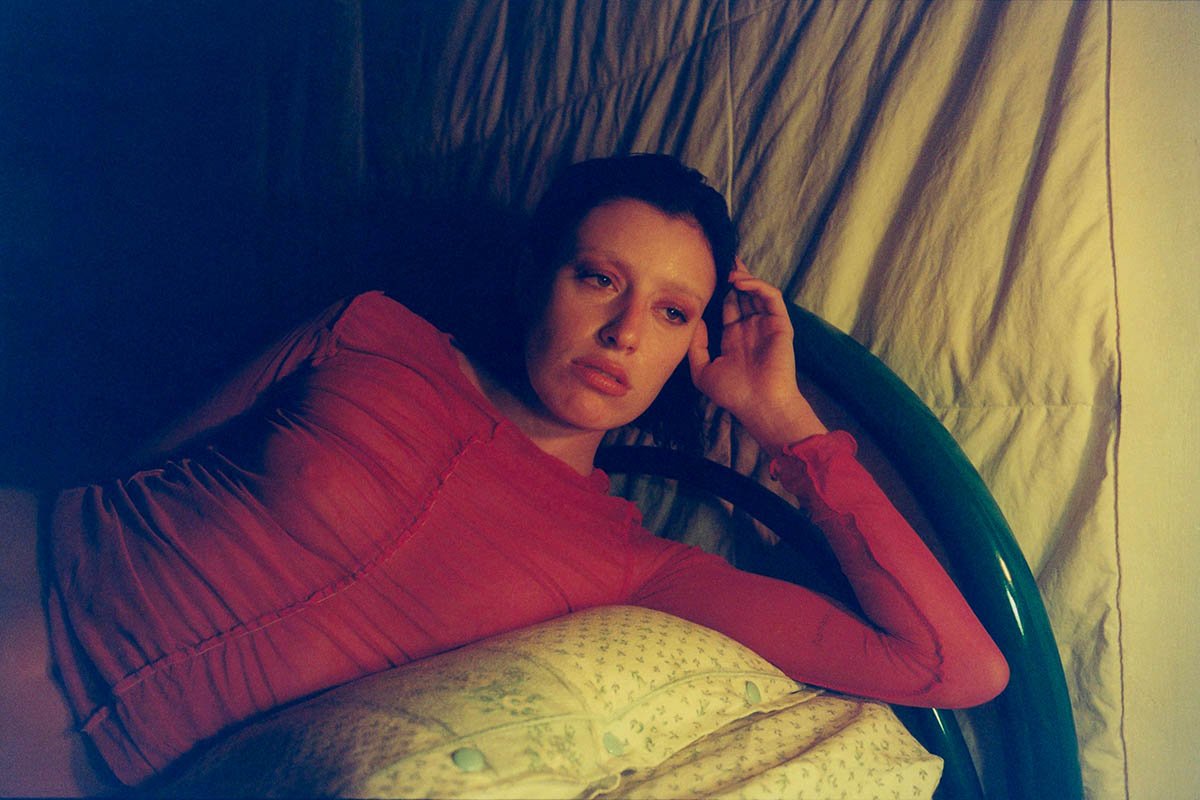
The narrative emerges through the work itself. I began to trust that process more when I stopped trying to satisfy someone else’s idea of beauty and allowed myself to follow a thought before knowing what it would look like. As I grow, the work changes; sometimes an image acquires a meaning I could not have recognized when I made it. Everything I do returns, in some way, to women: to how we live, how we are seen, and the conditions that determine what we are permitted to become.
Can you tell us more about the protagonists in your work?
The girls I photograph are my friends, or friends of friends, or the sisters of friends, who then became my friends too. Our familiarity allows for a particular closeness, but the photographs also speak beyond the relationships that made them possible. They belong to a wider narrative of women in southern Italy and to the experience of making a self beneath the weight of other people’s expectations.
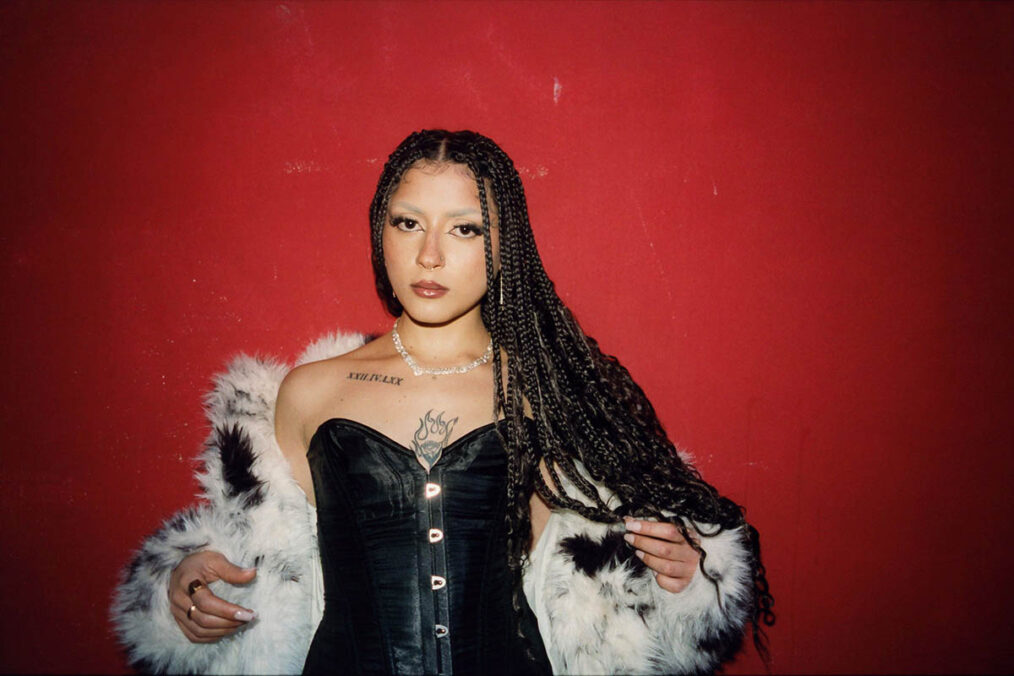
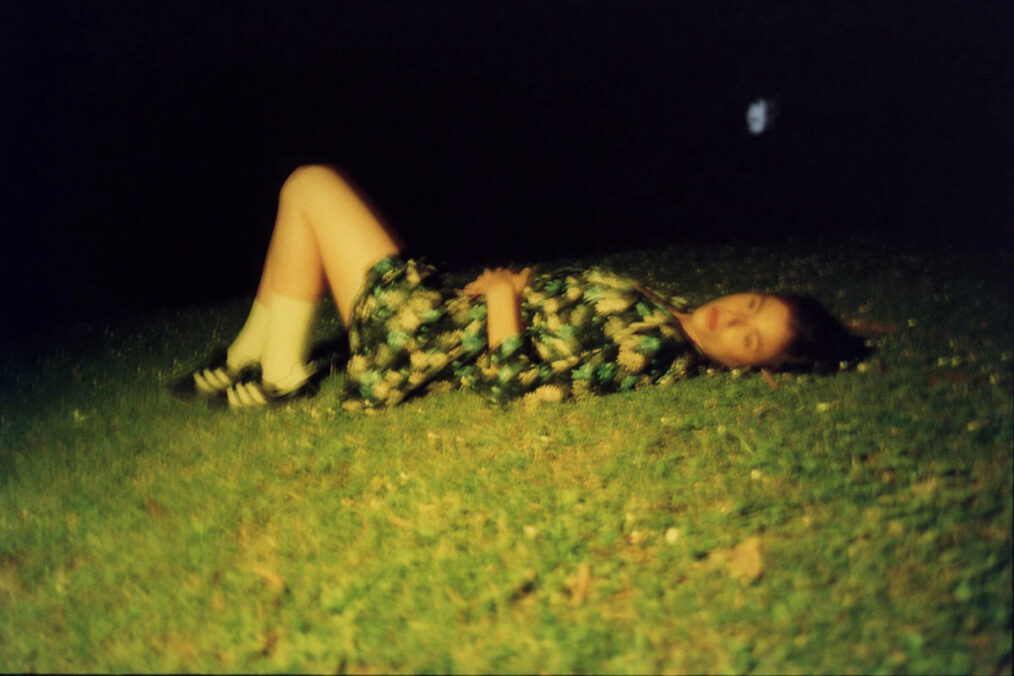
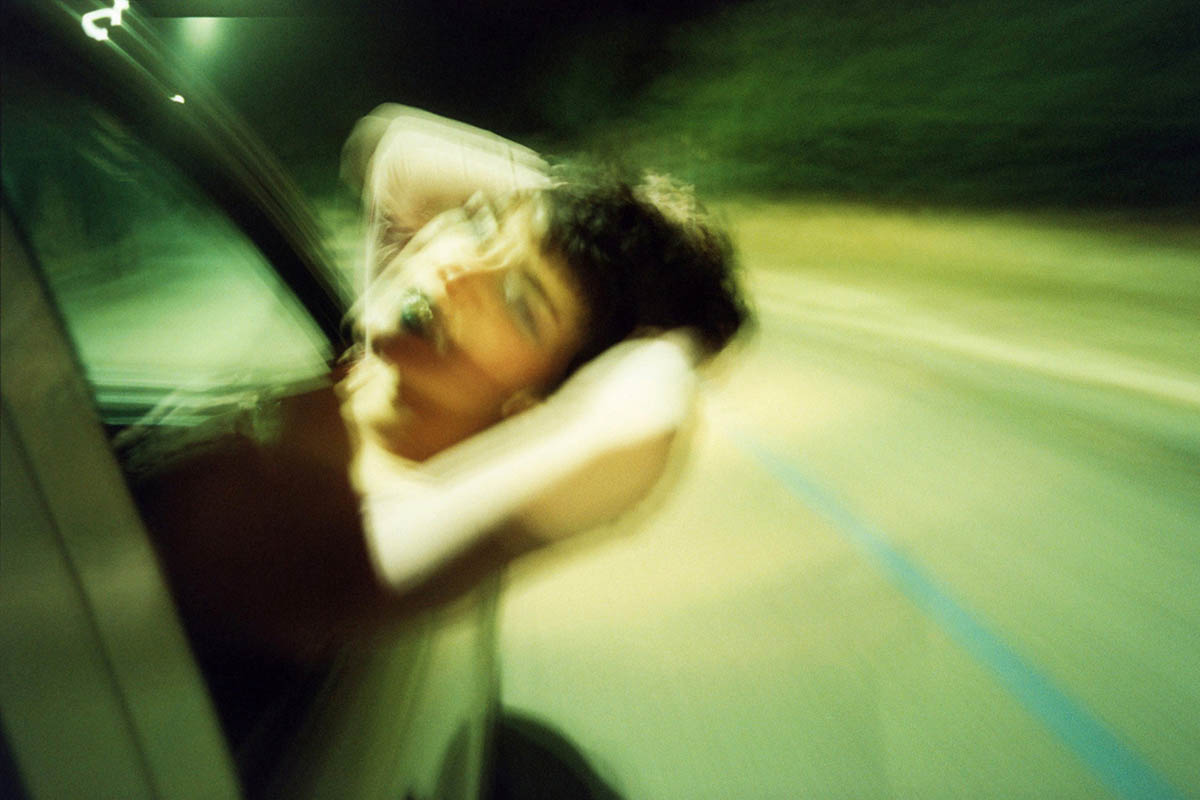
I see the act of preparation as a site of battle. Applying make-up, choosing clothes, looking at oneself before going outside: these are intimate decisions made anticipating a public gaze. Yet, a woman can take pleasure in being seen while having an inner life to which being seen is quite incidental. The girls come from different parts of Naples, but belong broadly to the same generation. Through color, dress, and the ways they decide to inhabit their bodies, they contest an inherited image of femininity and begin to give it a form of their own.
How did the photography monograph Un Mondo Proprio (A World of One’s Own) come about? Was there a particular moment or experience that inspired you to start the project?
I have always photographed my friends because I love them, and because our time together matters to me: afternoons in the park, parties, birthdays, and the ordinary hours that become a life. There was no deliberate beginning. I was given a camera, and I began photographing what was around me.
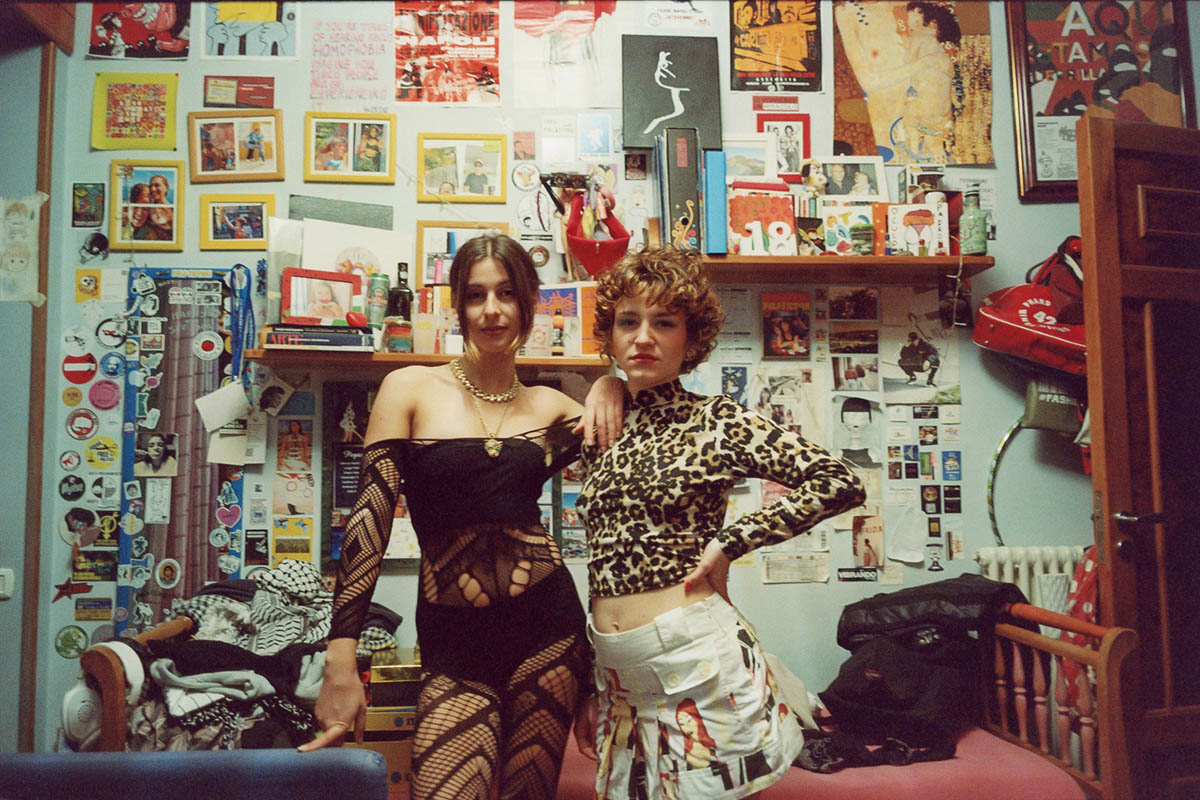
Nowhere have I felt the same desire to make work as in Naples. I sensed that there was something I needed to say, although I could not yet name it. I felt silenced; photographing was a way of beginning to speak. Only years later did I start to understand what I had been saying.
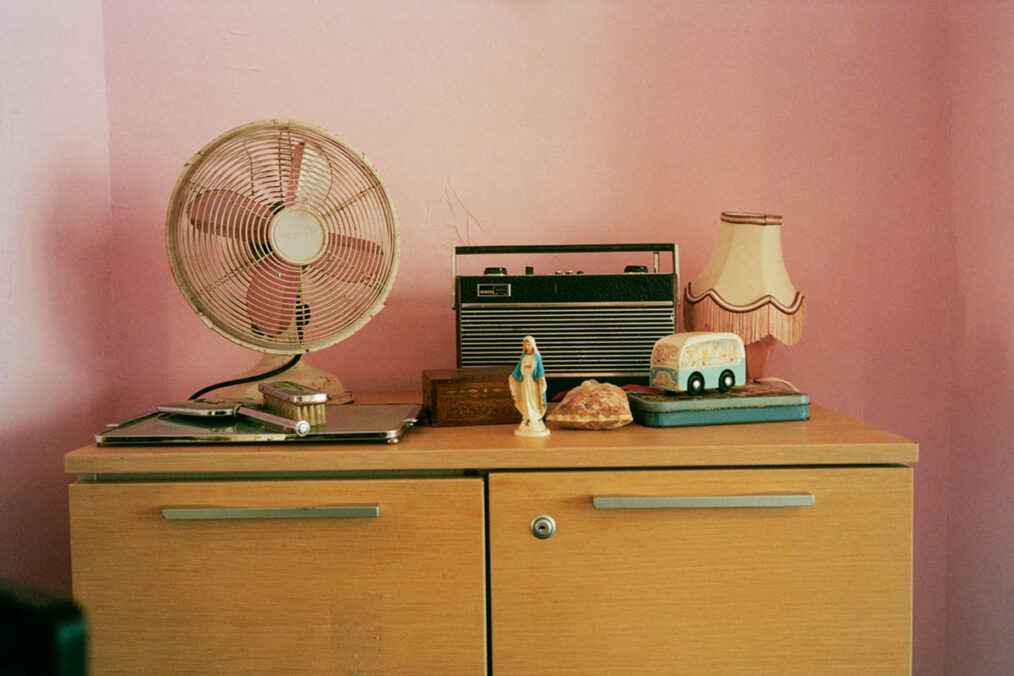
During my final year at university, I wrote my thesis on ethnographic research I had conducted among women in Naples’ nightlife, examining their clothing in relation to the pervasive image of the Virgin Mary. As I wrote and photographed, I found myself drawn increasingly towards domestic interiors and the moments before a woman steps outside. Gradually, I understood that the girls themselves had become the centre of my attention. I was learning to see them without allowing their surroundings to explain them away.
What questions are you most interested in exploring at the moment?
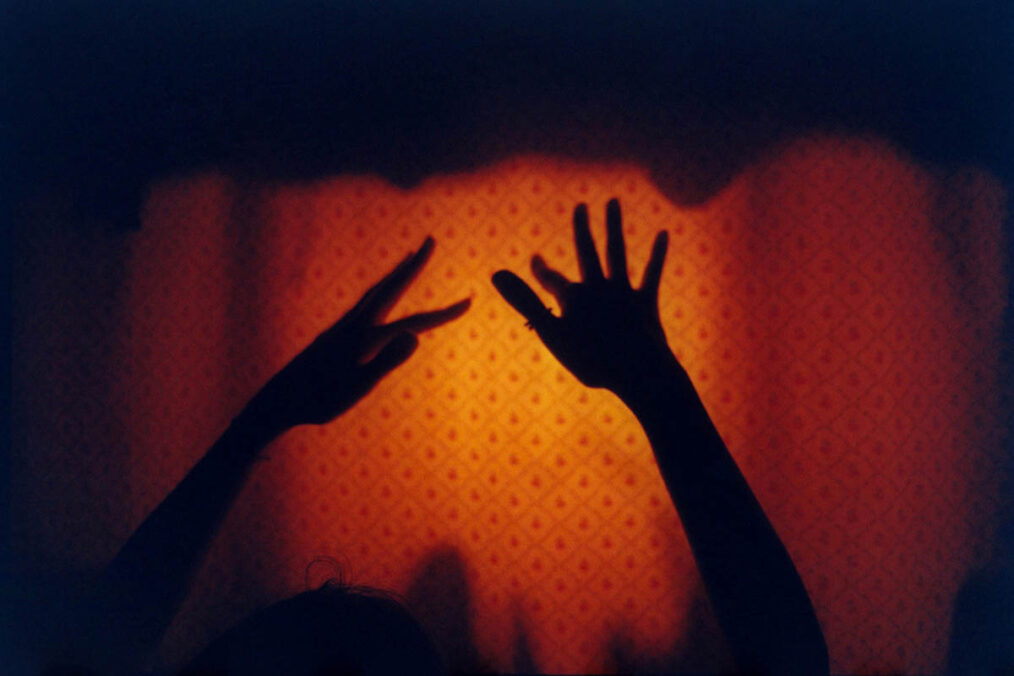
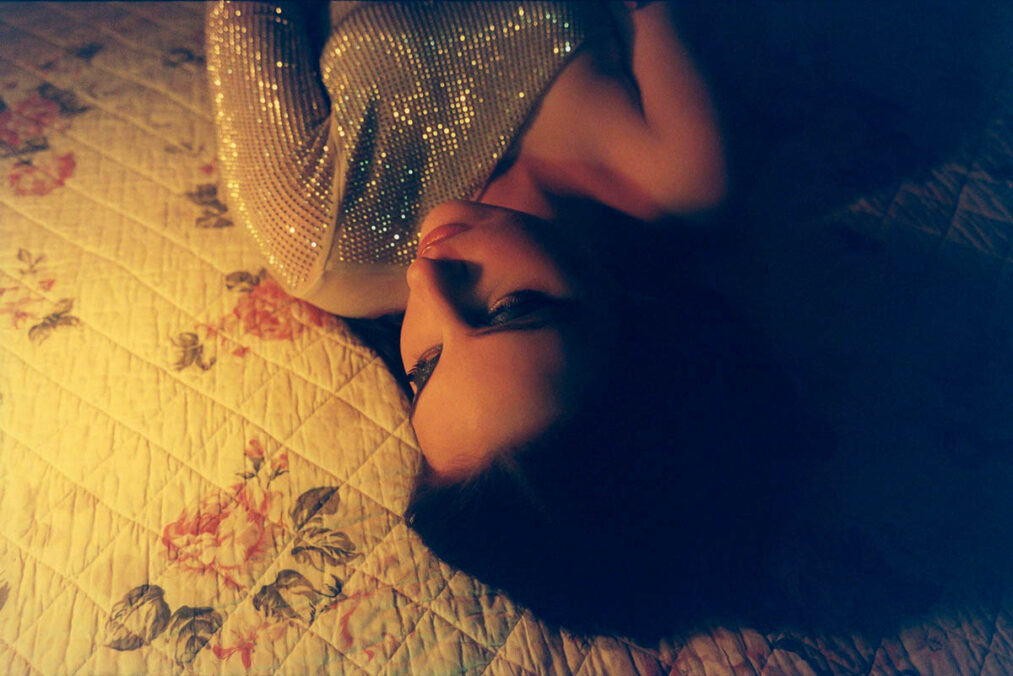
I consider the body to be an archive: what it retains of an experience, how the past enters a gesture, and why the same object or touch can carry entirely different meanings for different people. Women’s sexual experiences are my point of departure for exploring trauma, love, and intimacy.
I am interested in what sexual trauma leaves in the body and mind, and in the power of words and physical gestures to shape that experience. What happens to us does not always remain within the boundaries of an event. It can enter memory, desire, and our ways of relating to others, occupying a space far larger than the moment in which it occurred. Sometimes, I only recognize a feeling as my own when I encounter it in someone else’s words, and I am interested in whether a photograph can offer that same recognition in silence.
On a more personal note, what matters most to you in life right now?
It is difficult to answer without feeling the pressure of everything happening beyond my life. I cannot consider personal well-being to be entirely private. It is bound up with how we care for one another and with whose suffering we allow ourselves to overlook. My family and friends matter deeply to me. They give me a sense of steadiness from which I can turn towards the world. Alongside that is the simple, difficult wish to be a good person and to give that wish some substance in how I live. I am also learning to question the goodness I was taught.
I care about women in Naples, across southern Italy, and far beyond the places I know. I also care about their freedom as something lived and felt in the body, in desire, in the decisions that make up a day. The statement that we are free means little if our lives remain governed by fear, judgment, or the obligation to become what someone else requires. I want us to have room to discover what we want and the freedom to act upon it.
What are you currently working on? What else do you have planned for the coming months?
I am currently working at a women’s shelter, supporting teenage girls and leading a photography workshop with them. I am also making my first narrative short film. It examines the grey area within abusive relationships, where an act can be profoundly violent without bearing the outward signs by which violence is usually recognised.
I am interested in the internal struggle this creates: the pain that remains unspoken and the difficulty of understanding an experience that offers others so little visible evidence. Alongside this, I am continuing Un Mondo Proprio. My pride in the work is inseparable from my attachment to the girls and to the lives we are making visible. I imagine continuing for as long as I can, because that care has not diminished.
So much of Naples had been described to me through men’s eyes, while so much of what I knew of it I had learned in the company of women. There is still so much to say about being a woman in Naples, and so much to question in the stories that have already been told on our behalf.
Elena Bianca Zagari – www.elenabiancazagari.com, www.instagram.com/elenabiancazagari