Anahita, you are a founder and director of the Soft Power Festival 2026. What brought you there?
The title of our festival grew out of an independent curatorial engagement with the term itself. Since founding my gallery, I’ve been committed to underrepresented positions in art and cultural history, and for years I’ve worked at the intersection of art and music—the festival grew directly out of that practice.
From a very early age, I developed a deep passion for music. Studying piano at the Hanns Eisler School of Music Berlin (HfM Berlin), where chamber music played a central role, shaped my interest in listening, exchange, and different forms of expression. My curiosity for other cultures later led me to study cultural studies as well as Islamic art and architecture at SOAS, University of London. Early experiences working internationally further broadened my perspective and continue to inform my work today.
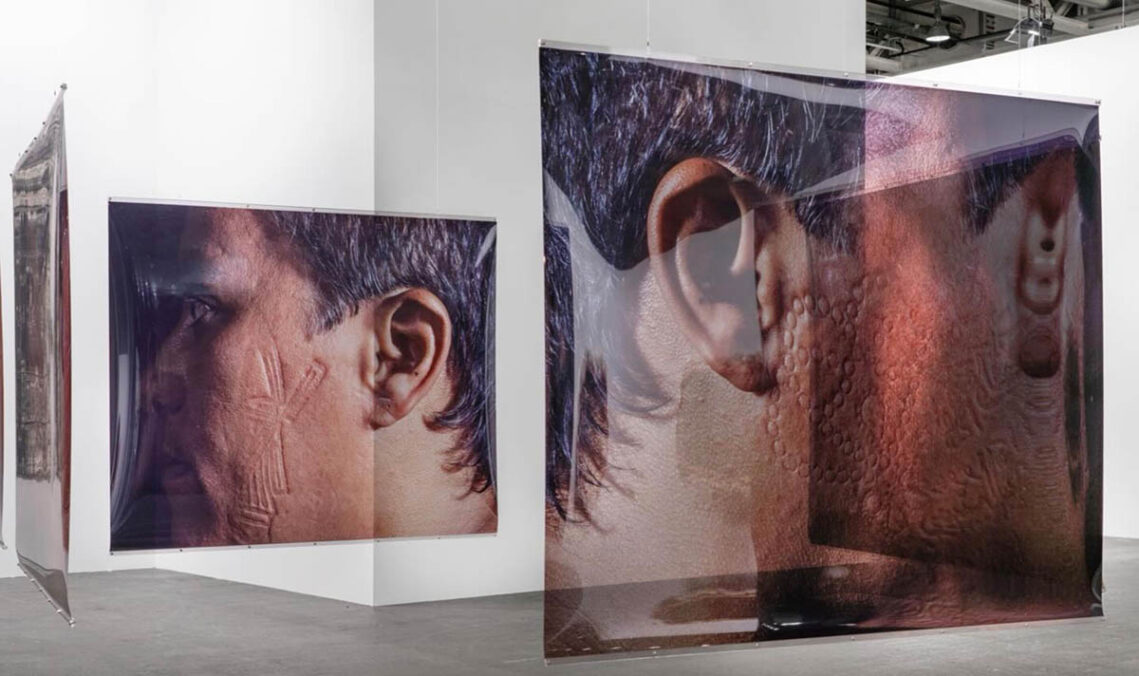
Eleven years ago, I opened my first gallery, Gallery: Anahita – Arts of Asia, specializing in ancient Asian art. With the opening of Anahita Contemporary in 2017, contemporary art became an important part of my work. In 2023, I brought both galleries together under one program, now known as Anahita Sadighi Galerie—reflecting my interest in bringing ancient and contemporary art into conversation. Alongside gallery representation, I also work on curatorial and intercultural projects, with a particular interest in connections between different cultures, periods, and disciplines. Music and literature continue to be important to me and have also found their way into various cultural formats and events.
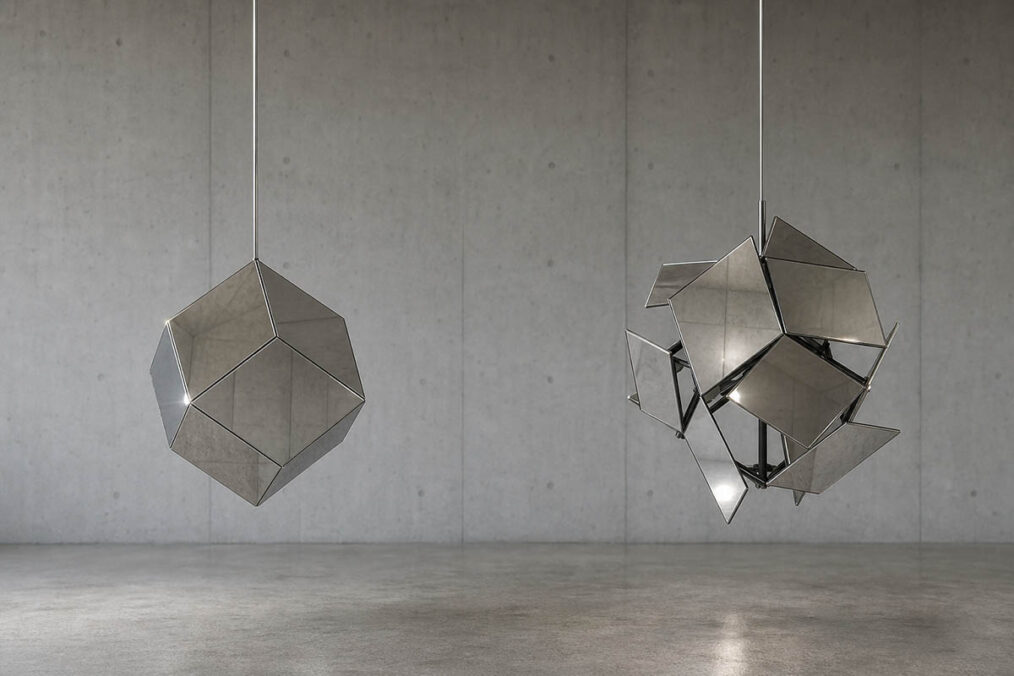
The Soft Power Festival brings together the diverse elements of your work and experience in one event.
I grew up between Tehran and Berlin; that taught me that identity and culture are never one-dimensional. The festival is essentially the result of my experiences and continuation of my curatorial approach.
My focus is to work on a combination of ancient and contemporary perspectives and to bring underrepresented, feminist, and transnational narratives to the forefront.
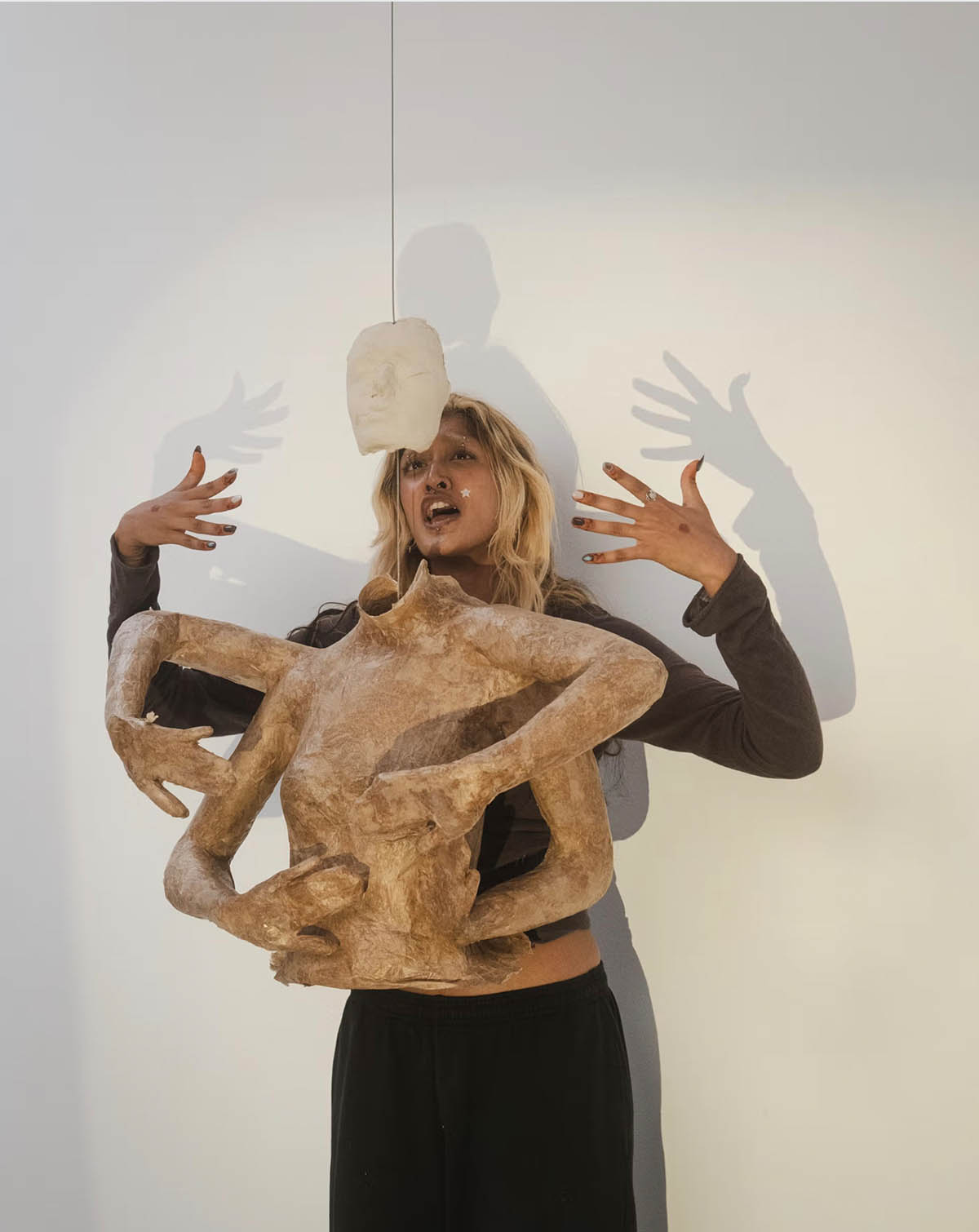
The three-day event will be held at Haus der Visionäre as a special project of Berlin Art Week. How did this collaboration develop?
The Soft Power Festival began last year as a special project at Berlin Art Week. The festival is a new transdisciplinary platform connecting contemporary art, music, performance, community radio, and collective practices, creating spaces for encounter, cultural exchange, and shared experience, bringing everything together into an open Gesamtkunstwerk. The festival explores how culture can create forms of influence beyond economic power and coercion, so visitors can expect a very experimental and vibrant environment. The festival looks at the quieter ways in which people can shape one another and the spaces and structures that enable them to come together.
The festival unfolds through a temporal progression in nine chapters: Attending, Gathering, Listening, Remembering, Imagining, Remembering, Imagining, Hosting, Ritualizing, Resonating, and Becoming.
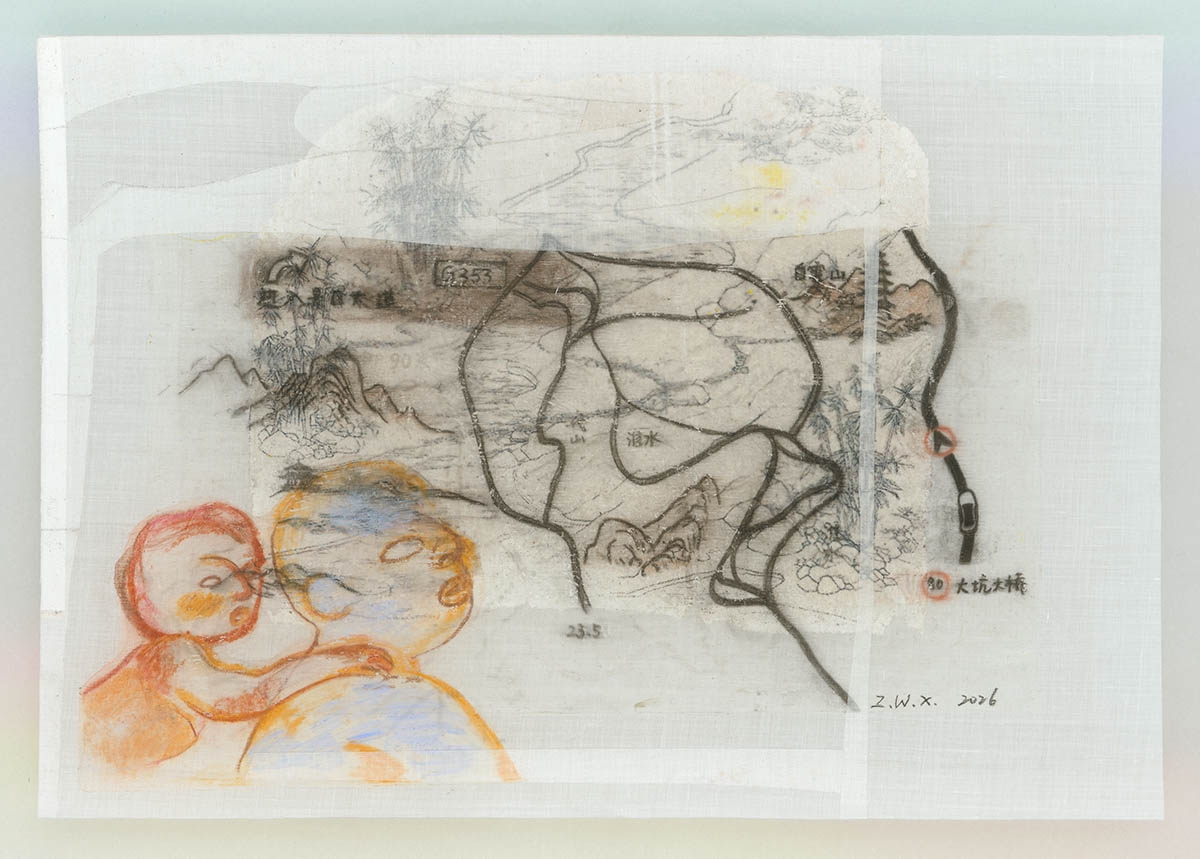
Together, they create a framework for the different forms of encounter, participation, and exchange that shape the festival. This progression follows The Conference of the Birds, written by the poet Attar of Nishapur in 1177 — a poem about Persian mythology and spiritual vastness. The festival borrows the idea from the poem that we should work together not toward a predetermined destination but through uncertainty, desire, loss, memory, relation, and transformation — through a process in which cultural and political influence emerges from encounter, shared experience, and trust.
This also connects back to Joseph Nye’s concept of ’soft power,‘ after which the festival is titled. According to Nye, soft power is the ability to influence and persuade others through attraction and shared values rather than through military coercion or economic payoffs. We are questioning this concept and reworking it through the programme: not as something a state exercises over others, but as a collective, creative practice, built through encounter and trust rather than hierarchy.
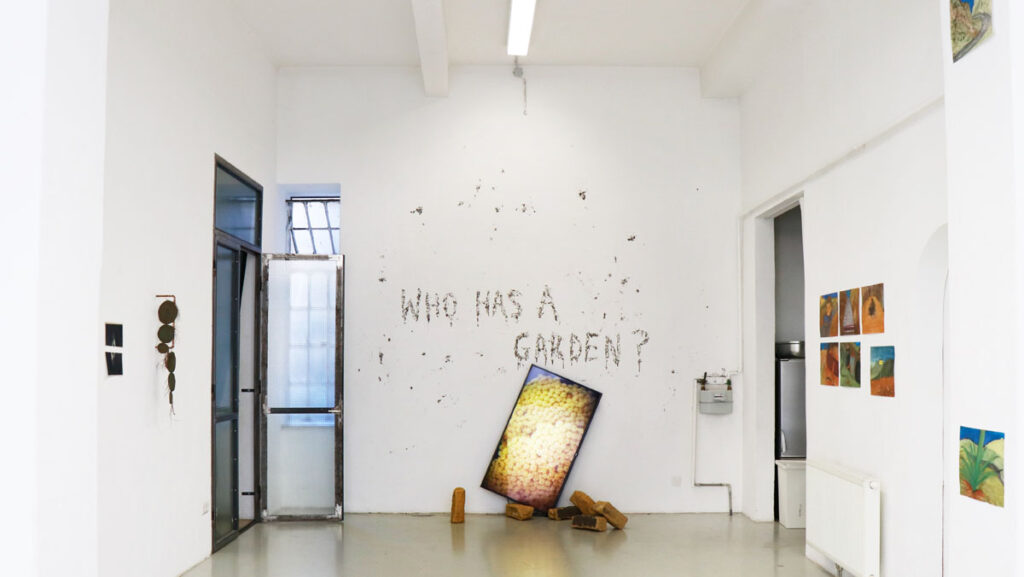
The exhibition is the conceptual center of the festival and serves as a common thread running through the works of the participating artists and the individual festival chapters. Running parallel to the program, there is a 48-hour dance floor in the Sonnenraum at the Haus der Visionäre.
In addition, there is an extensive program of talks addressing issues of collective imagination, the role of culture as a political practice, and the relationship between art and nightlife.
How did your collaboration with María Inés Plaza Lazo on curating the exhibition come about?
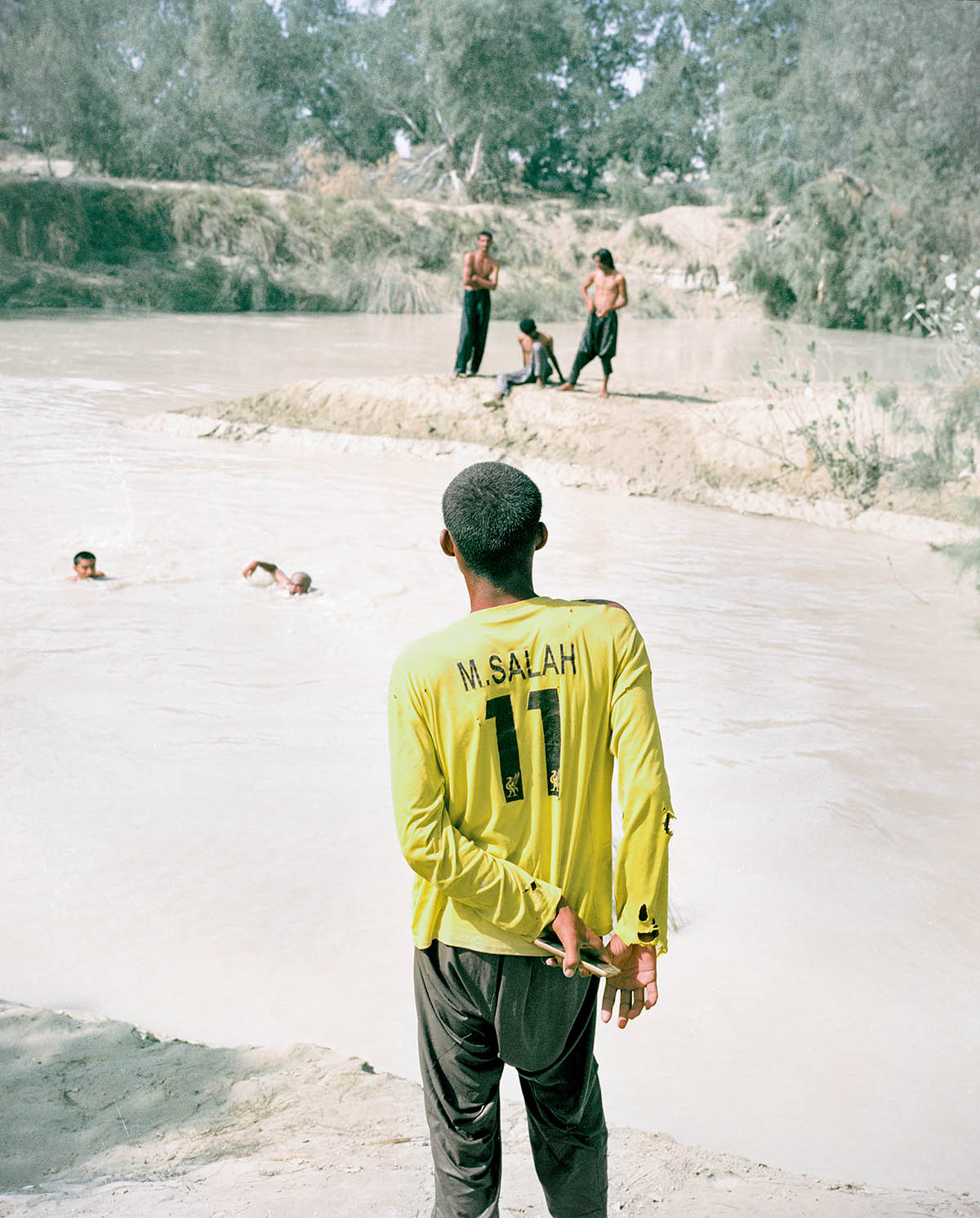
I love the idea of curating the exhibition in collaboration. The process of thinking creatively together, of finding new perspectives, was such a good time with her. María Inés Plaza Lazo is a wonderful addition to the Soft Power family — I’ve long admired her work and her newspaper, Arts of the Working Class. The exhibition brings together numerous international artists working in contemporary art, food-based practices, crafts, and performance.
The venue seems tailor-made for the festival—not only because of its name, but above all because it is organized by two people who have also left their mark on the Berlin scene.
The festival takes place at Haus der Visionäre (House of the Visionaries), a quite magnificent experimental hub. Its industrial halls are located near the river Spree, next to Arena Berlin. It’s a project by the founders of Club der Visionäre, Gregor Krämer & David Höhne, a legendary club and an absolute institution. For the first time, Haus der Visionäre is activated in this dimension with exhibitions, performances, concerts, a 48-hour dance floor, and a radio in collaboration with Refuge Radio.
It will be a creative adventure that spans day and night during Berlin Art Week.
Why was it important to you to bring different formats from the exhibition and performances to culinary experiences and live concerts together?
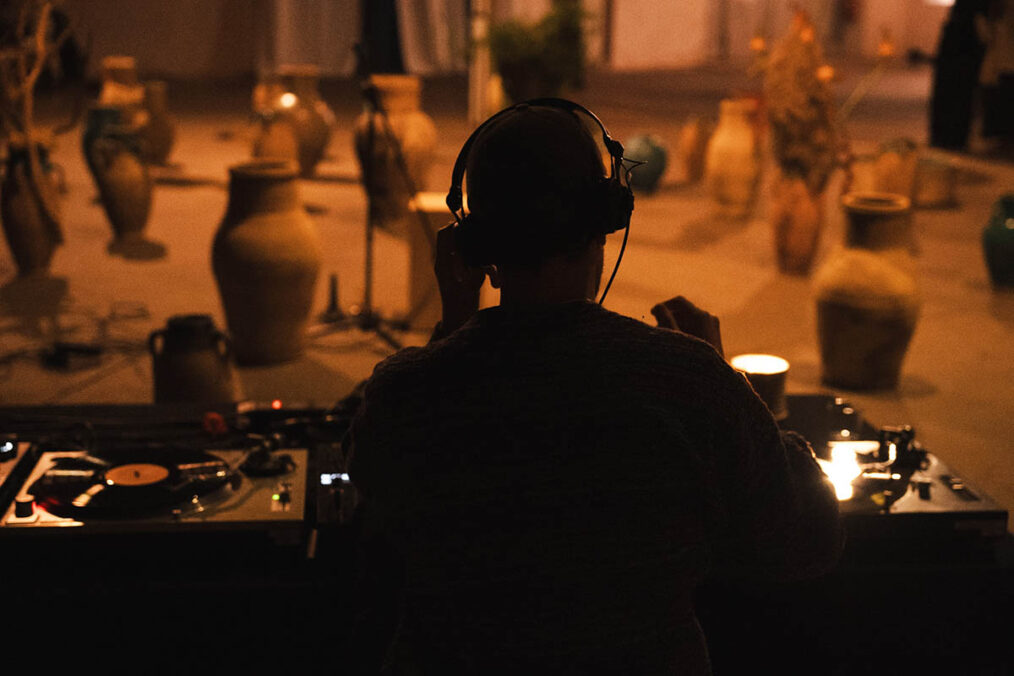
Berlin has two strong and powerful hearts beating. One is music, and the other is art. Since I grew up surrounded by art and music and in a very vibrant, dynamic environment, it has always come naturally to me to combine these fields. To imagine spaces that build bridges and enable conversation, dialogue, imagination, and creativity. Creating a space that opens these dimensions and also enables artists and creatives to work together in new ways. So I think opening these spaces and creating an inviting, visionary platform that’s inviting holds great promise for both the art and cultural landscape in Berlin and Germany as a whole.
There are only a few cities in the world where you can combine an exhibition with a 48-hour party. In Berlin, you can do it. Berlin has every reason to be proud of its free spirit. Is it this that makes Berlin so special?
In Berlin, it was possible to create new spaces of freedom, to experiment, to break free from certain norms, and to come together—not only through art spaces but also through parties. Dance floors are transformative spaces. That mix of disciplines, of different worlds, brings something genuinely new to emerge. What we are responding to is also a society longing for the healing power of art and culture in every sense. Physical, mental, and spiritual.
Soft Power can be a key to connection rather than division. That is the reason we are pursuing the mix and also centering the dance floor as a curatorial instrument.
The history of Berlin’s clubs invites us to rethink them—both in terms of the development of the contemporary art scene and the club scene and subculture, which remain influential and highly significant.
Do you love being a host? What excites you the most about the festival?
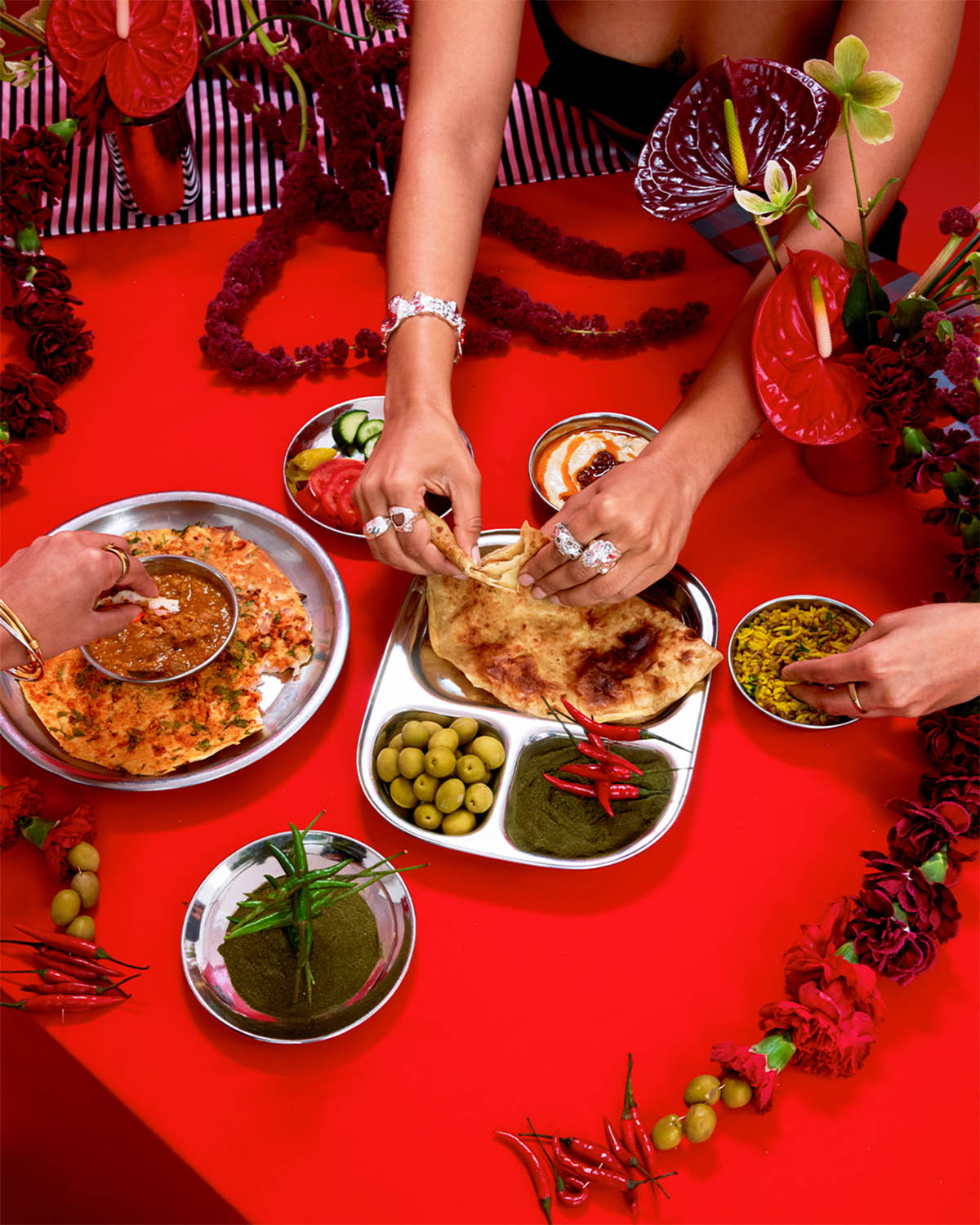
I am Iranian, so hospitality and hosting guests play a central role in our culture. I’ll spend as much time as possible at the festival, enjoying the atmosphere and talking to many people. I think it’s important to rethink how we can create spaces that are inviting and inspiring. Places where visitors feel seen and inspired to stay, spend time, and get involved.
With so many program points under one roof- exhibitions, performances, talks, and nights on the dance floor. What impulses do you hope the festival will spark?
Ideally, this experience should resonate with people long after they have left the festival. Or perhaps this festival offers a good opportunity to talk about power and power dynamics in our community. What visitors are sure to take away is a fresh perspective and a sense of wonder. Festivals reflect a curious spirit and an open heart. They bring together different elements in new and unexpected ways. It’s about exploring how we can engage with art, design, sound, and one another in new ways—while remaining curious and playful.
Soft Power Festival
September 11. — 13. 2026
Friday 11 AM – Sunday 11 PM (non-stop)
Venue: Haus der Visionäre, Eichenstraße 4A, 12435 Berlin
PARTICIPANTS:
Art: Akshita Garud (Two Odd), Alanna Lawley, Anahita Sadighi, Anousha Payne, Berni Searle, Caique Tizzi, Céline Semaan, Dan Lie, Daniel Butcher, Diane Severin Nguyen, Elena Carvajal, Elif Saydam, Enis Maci, Hamid S. Neiriz, Hashem Shakeri, Havin Al-Sîndy, Ian Waelder, Järg Geismar, Julius Pristauz & Nasanin Dahaghin, Kalpesh Lathigra, Katja Pilipenko, Kitty Doherty, Maria Portilla, Mariana Castillo Deball, Mariuccia Secol, Mehdi Behbudi, Simon Speiser, Slavs & Tatars, SoiL Thornton, Susana AbdulMajid, Tawna Collective, Ushara, Wenxin Zheng
Music: Alejandro Mosso, Alexia, Alix Casale, Amir Alexander, Anahita Sadighi, Ava Rasti, Bruno Schmidt, Camion Bazar, Christine Benz, Dean Bryce, DJ Dustin, DJ Fart in the Club, douniah, DUMAMA, Duos Duet, El Congo Allen, Elias L., Fred P, Galcher Lustwerk, Ghostpoet, Gizem Öz, Hame, Hesam Ayat, Jaako from Trevor Deep Jr., Julius Steinhoff, Karla Böhm, Katayoun, Kyurtash, Lakuti, Lb Honne, Lenny Mailleau, LILI, Luna Ludmila, Marie Lung, Maryisonacid, Matthias Reiling, Mike D, Module One, Mohammad Reza Mortazavi, Mon-Puo, Morgan, Mountain People, Muallem, Perera Elsewhere, RAHA, Salar Ansari, Soela, Stretch, Tibi Dabo, Tigran
Activations, Talks, Workshops: Adam Fearon, Ada’s Deli, Alexander Jenkin, Alice Hasters, Amba Kohlschmidt, Anahita Sadighi, Anna Marazuela Kim, Berlin Gastro Solidarity Network, Buki Akomolafe, Cate Lartey, Chan Sinanoglu, Cristina Plett, Cynthia Mensah-Neglokpe, Dalia Maini, Danielle de Picciotto, Daria Suvorova-Konstandin, David Höhne, Dimitri Hegemann, Dorothea Kerrutt, Dr. Obaro Ejimiwe (Ghostpoet), Edna Bonhomme, Eva Maria Greiderer, Fortuna Forest, Fred P, Hanno Hauenstein, Heiko Pfreundt, Heinz „Cookie“ Gindullis, Jouana Samia, Jumoke Adeyanju, Karoline Lucks, Kemi Fatoba, Lukas Feireiss, Lutz Henke, Lutz Leichsenring, Marcel Weber, Monika Branicka, Norman Ohler, Pia von Wersebe, Rosa Burg, rustcakes, Sara Arsalane, Sinthujan Varatharajah, Sonic Staircase (Guided Sound Journey by Vera), Studio Manuel Raeder, Tina Roeder
Spatial Concepts: Aaron Zeederberg, Aathirai Valentine, Dieter Detzner, ELOA, Florina Maya Vyas, Frenzy Concepts, Gonzalez Haase AAS, Jérémy Bellina, Kavindu Sivaraj, Ken Hagen, Lana Berginc Predovic, Laura Angelone, Loan Nguyen, Milena Kling, Natalie Foti, Pelin Gebhard, Poorarzhangy, Siri Majaroen, Studio Lilo
All information, program & tickets: www.anahitasadighi.com
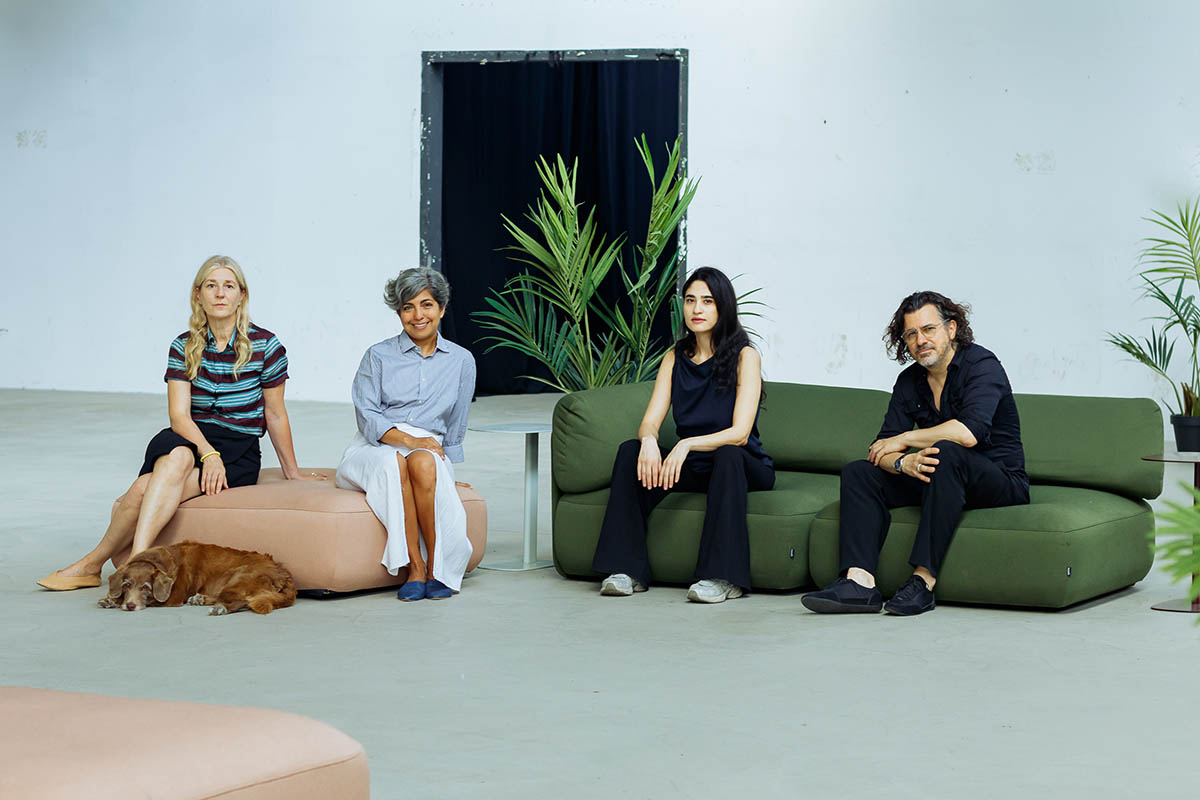
Anahita Sadighi is the founder and director of Soft Power, working across ancient and contemporary art and music to connect histories and forms of knowledge rarely placed in the same frame. She conceived the festival’s artistic direction and holds the overall vision for the program. She brings this long view of culture into the present—and into the question of what institutions can become.
María Inés Plaza Lazo brings together curating, publishing, and writing. For the festival, she is bringing more than 40 artists into a conversation that moves across geographies, generations and forms of cultural production, shaped by the shifting meaning and genealogy of “soft power.”
Pierre Jorge Gonzalez & Judith Haase work through architecture and scenography, transforming Haus der Visionäre itself for the festival. Their task is not simply to design spaces, but to reconsider how architecture can shape the way we encounter art, sound, and one another.