


The first Raku objects date back to the 16th century. Sen no Rikyū, the Japanese tea master, collaborated with the tile-maker named Chōjirō, who produced for him hand-molded tea bowls for use in the wabi-styled tea ceremony that was Rikyū’s ideal. The resulting tea bowls made by Chōjirō were initially referred to as „ima-yaki“ („contemporary ware“) and were also distinguished as Juraku-yaki from the red clay (Juraku) that they employed. They were traditionally crafted by hand and not thrown on a potter’s wheel. Raku then became the name of the family that produced the wares. Both the name and the ceramic style have been passed down through the family (sometimes by adoption). The name and style of the ware have become influential in both Japanese culture and literature.
The Raku technique is essentially when glazed ceramics are taken from the kiln while they are still glowing red hot and are then placed in a material that would be able to catch fire, such as sawdust or newspaper. This technique is used to starve the piece of oxygen, which creates a myriad of colors within the glaze. Raku firing without glaze on them means that the oxygen is taken from the clay itself rather than a glaze, which results in some areas having a matte black coloring. Raku firing creates unique pieces, as there is never certainty as to how the final piece will turn out. Raku essentially creates a unique design every time, so there is less control over the outcome. After the publication of a manual in the 18th century, Raku ware was also made in numerous workshops by amateur potters and tea practitioners in Kyoto and by professional and amateur potters around Japan.
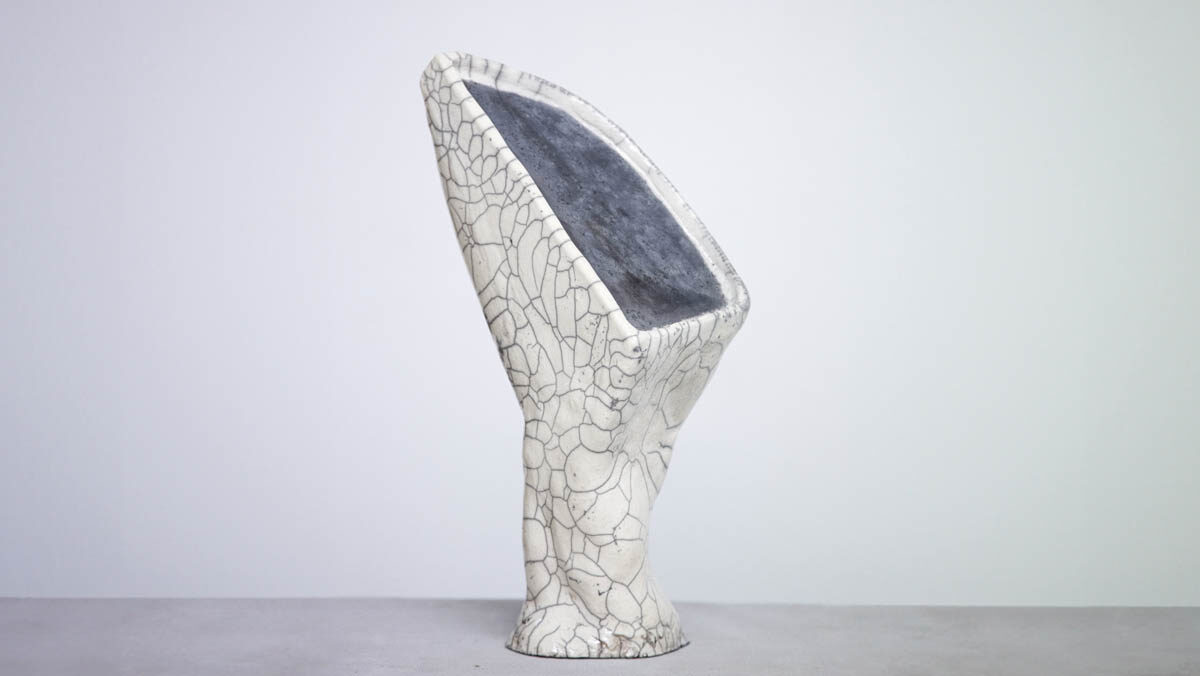
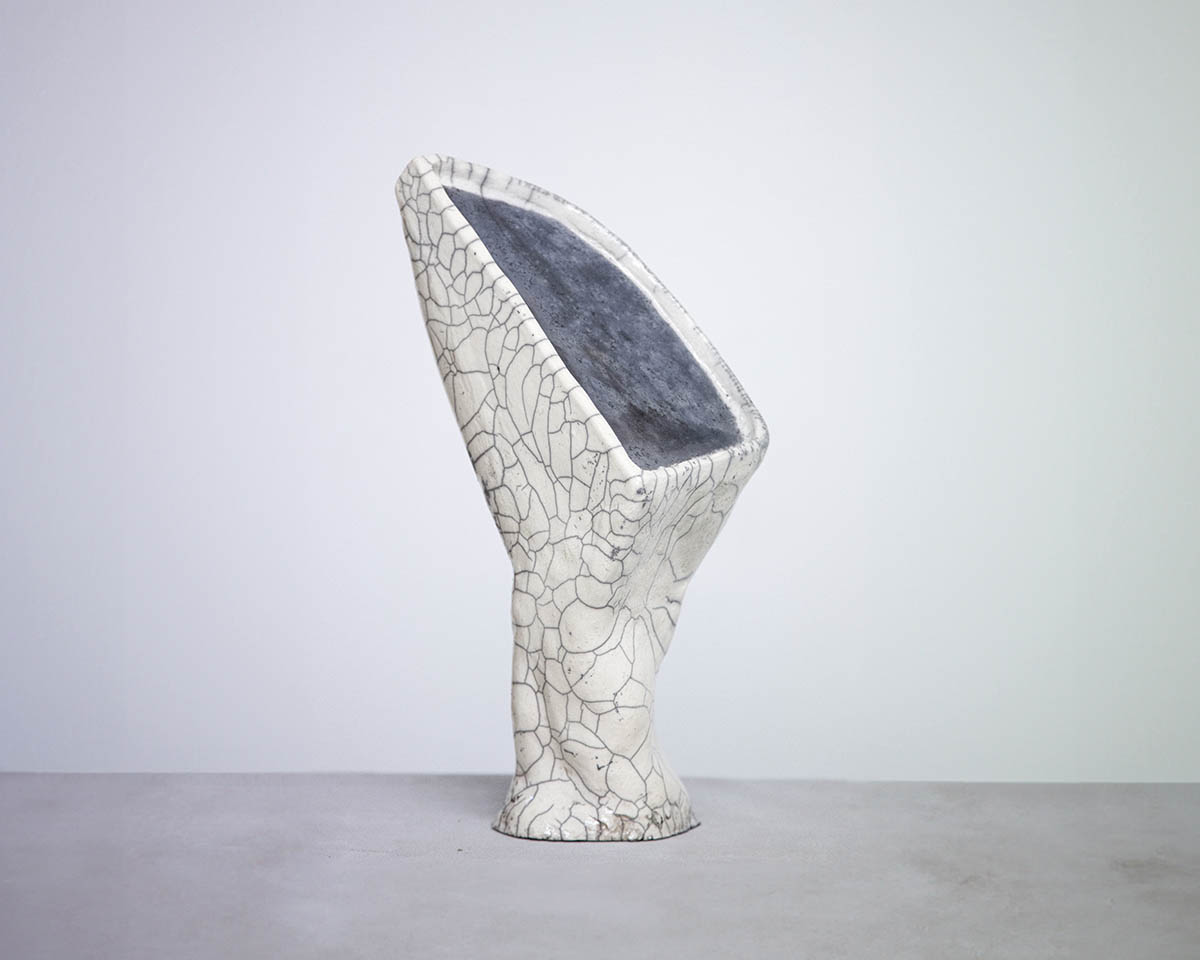
Alessandro experienced his first trials and learned the technique with his mother, so in this case, it was also a family environment where the work was born. Unlike traditional Japanese raku, which is mainly hand-built bowls of modest design, western Raku tends to be vibrant in color and comes in many shapes and sizes. Although some do hand-build, most Western potters use throwing wheels in creating their Raku pieces. Western culture has even created a new subbranch of raku called horsehair raku. These pieces are often white with squiggly black lines and smoke-like smudges. These effects are created by placing horse hair, feathers, or even sugar on the pottery as it is removed from the kiln and still extremely hot. Next to the horse hair variant, there are other ones using wax resist: the obvara form, which uses yeast solution, which then creates earthy tones in secondary firing; crackle glazes that contain metallic compounds, including such metals as copper, iron, and cobalt; and the Naked Raku, which we invite you to research further and try in some ceramic studios in your neighborhood.
Alessandro Albrecht (*1998, Vienna) deals with tropes of mobility, infrastructure, society, and the environment. After completing his studies in visual communication and media design at die Graphische, Vienna, he now studies Art and Photography at the Academy of Fine Arts Vienna since 2020.
Alessandro Albrecht – www.instagram.com/alessandroxsamuel/
Note: This text is part of our WallArt Journal #2, which we specially produced for the SPARK Art Fair 2024 in Vienna. You can find copies around Vienna, or if you want to have one, feel free to contact us.