

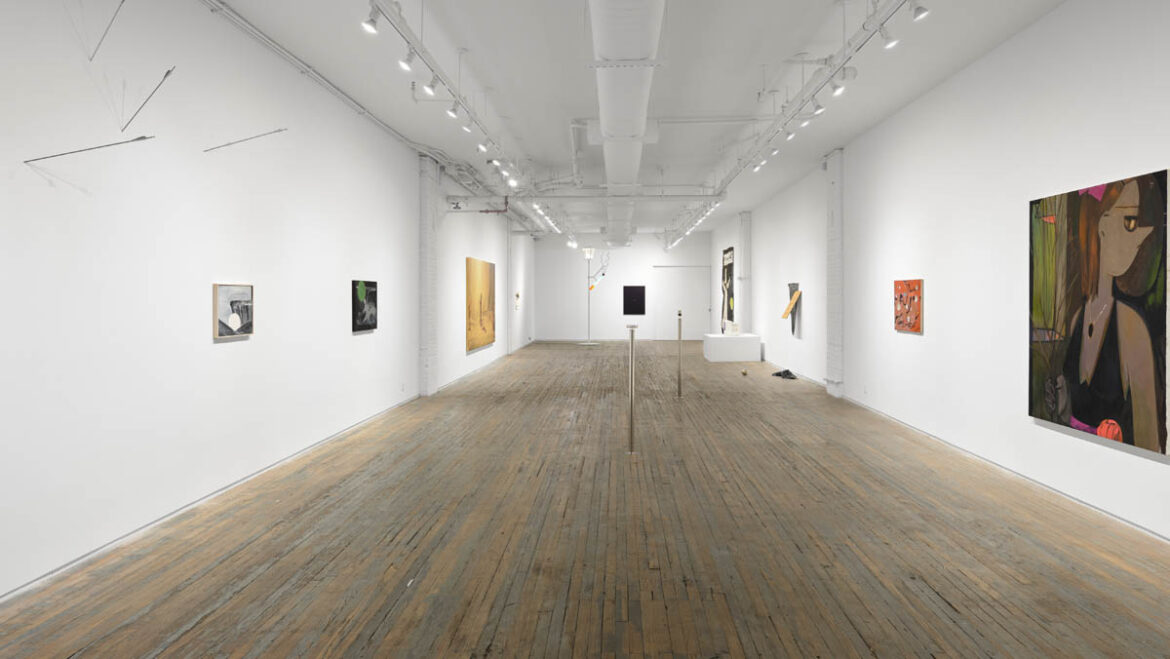
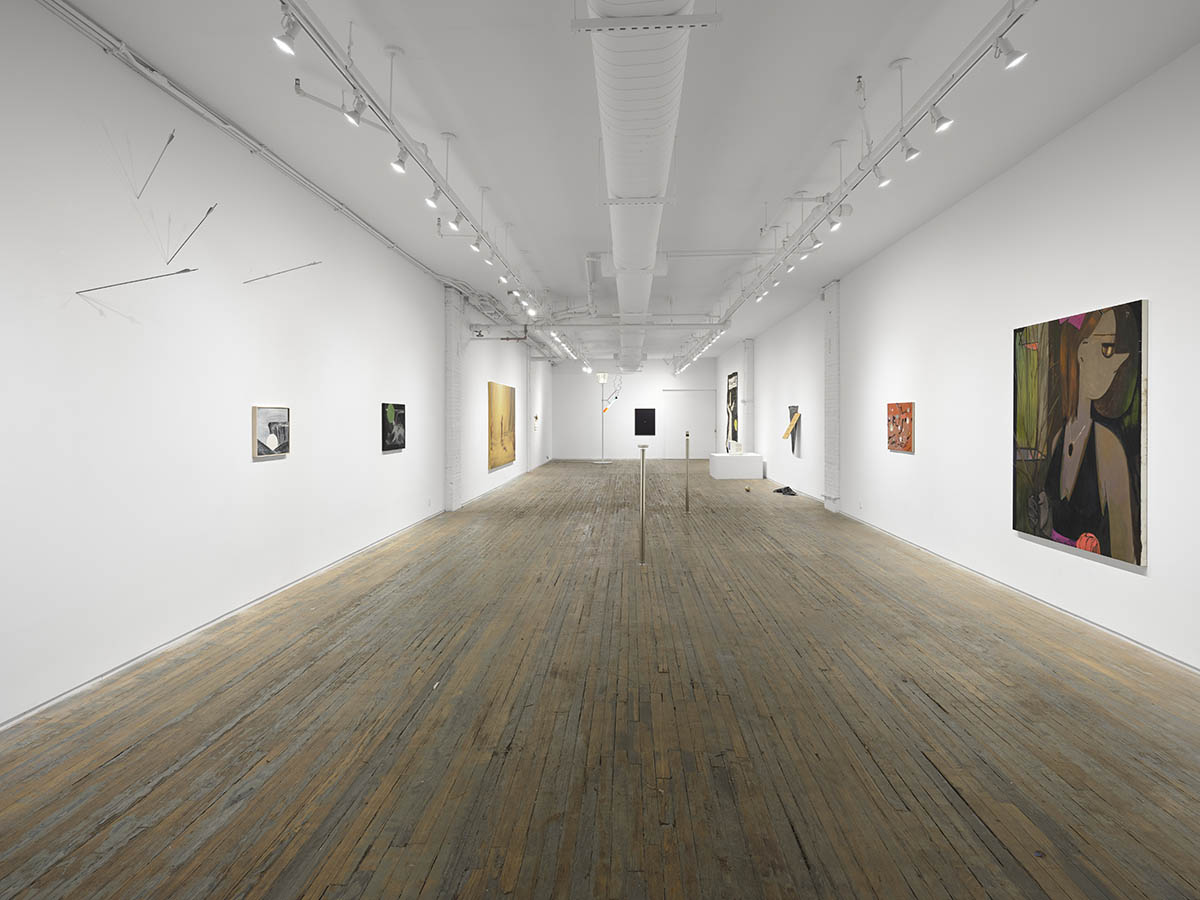
*direct citation from the official text on the exhibition written by Reilly Davidson, full version read here.
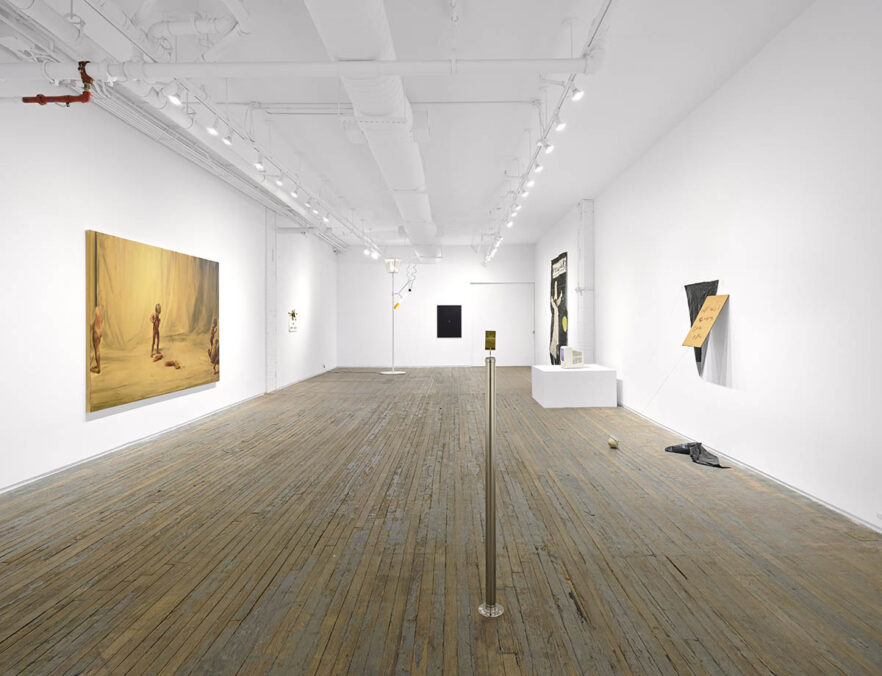
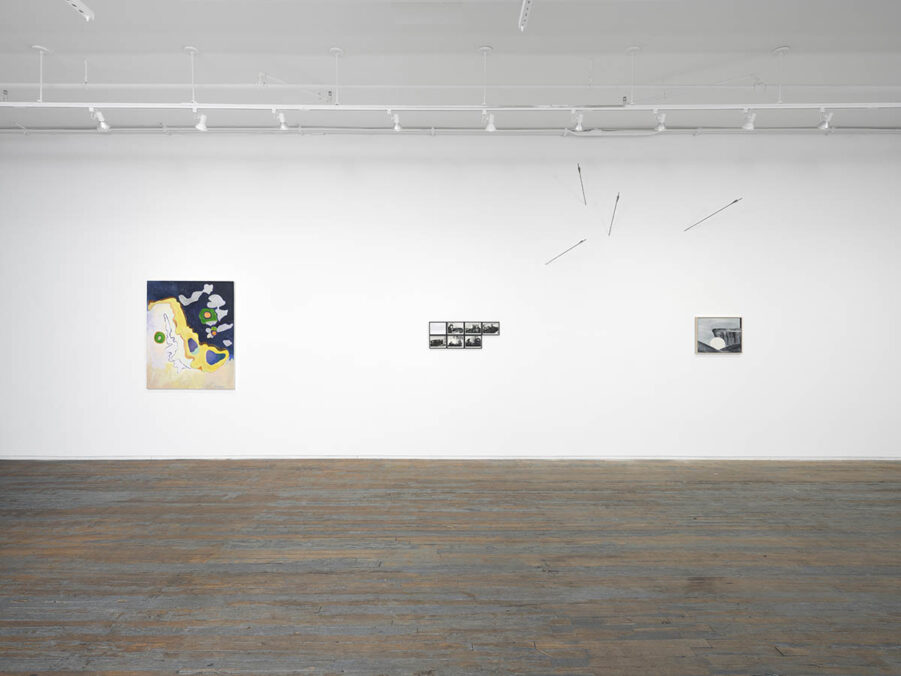
Swallow the Moon, a group exhibition that takes place in Amanita in New York; curated by Reilly Davidson; featuring works by Turiya Adkins, Ellen Berkenblit, Cosima von Bonin, Michaël Borremans, Sophie Calle, Sarah Charlesworth, Isabella Ducrot, Olivia Erlanger, Andrew J. Greene, Cynthia Hawkins, Lauren Anaïs Hussey, Thomas Nozkowski, Paul Pfeiffer, Ed Ruscha, Richard Tuttle.
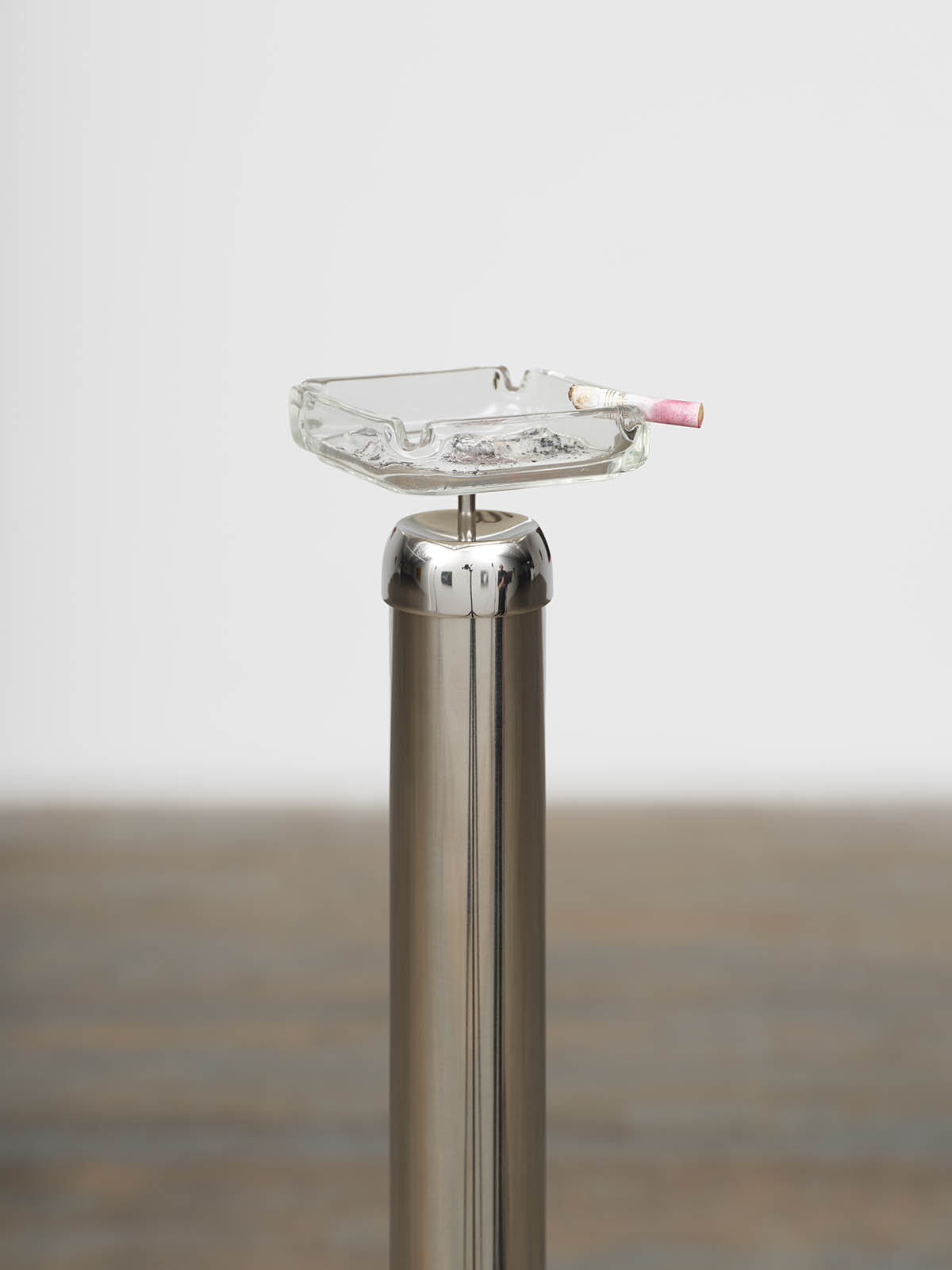
Can you walk us through the selection of the artists and their works for this show? Did you already have specific artists in mind that you wanted to include, or did you choose them in relation to the curatorial concept later?
The title came first, followed by research and then collaboration. I always begin with a big document of artists and works that evolves naturally based on what’s available and how the original idea develops through time. It’s rare for an exhibition to resemble the original plan. Working with other galleries and being open to input is also paramount. All hands on deck.
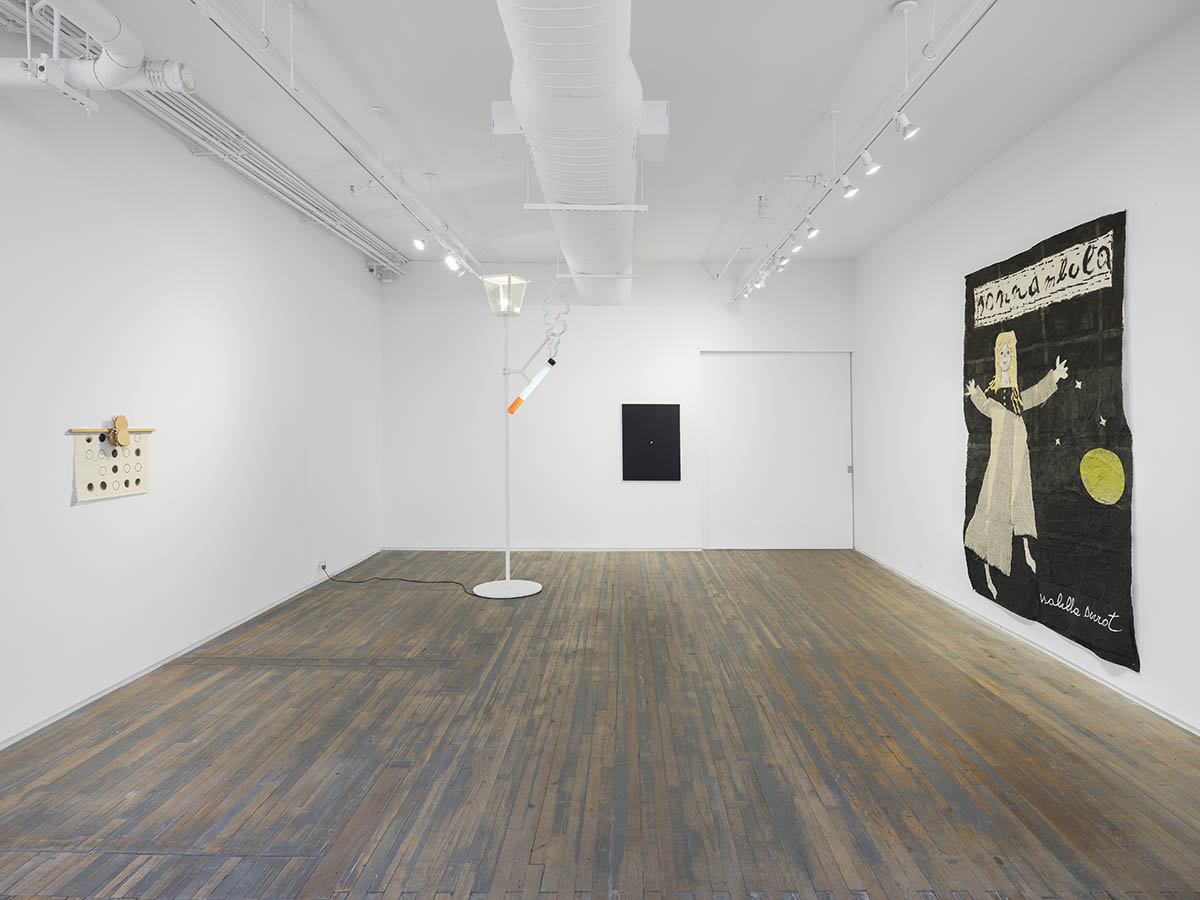
It feels as if it is early (perhaps summer? ) night in the gallery space, even though all the lights are on. The atmosphere the works create in the space feels very intentional. Is the exhibition conceived almost like a stage?
The exhibition has a pretty specific organization. I wanted it to feel like a walk from day into night and then back out again. Like getting swallowed up and spit out, I was thinking temporarily when we staged the show, but there’s still space to interact with the works on your own terms.
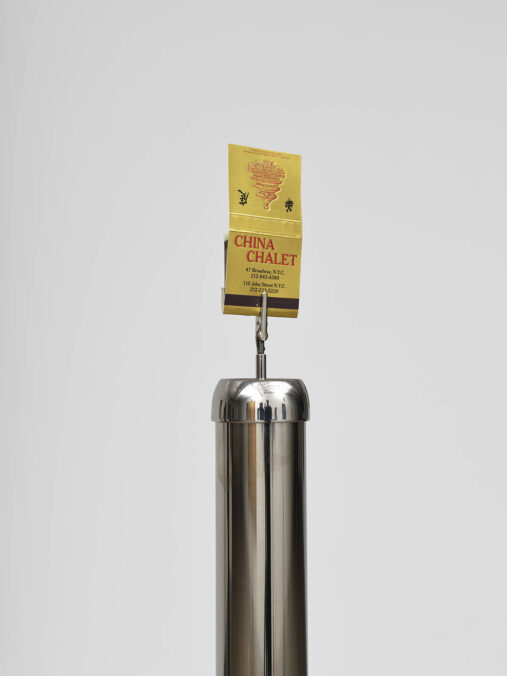
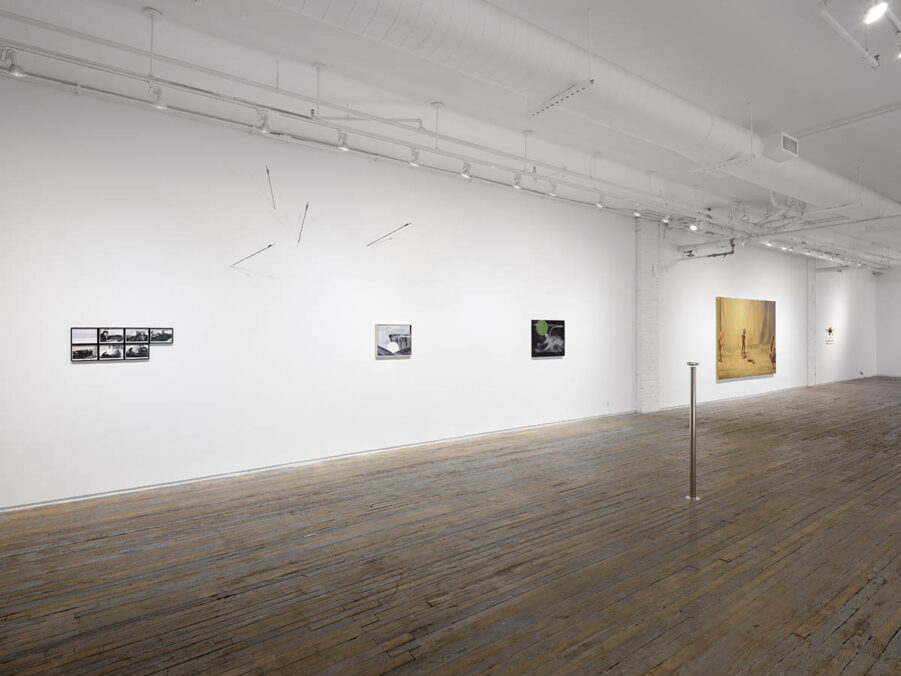
You speak about the works in the exhibition almost as if they were characters in a story unfolding in the text. You move from one work to another in a continuous flow, as if taking a walk, and then unexpected connections appear.
For sure, I wanted this text to be a bit more lyrical.
I always read your curatorial texts very carefully, and this time as well. I feel they play an important role in understanding the exhibitions you curate. How do you feel writing influences your curatorial practice, and vice versa?
Absolutely. I was talking about this the other day. It’s important to develop a clear voice, no matter the context. I try not to overexplain anything when it comes to writing, but to provide guideposts to the experience of viewing. Coming up with the text for a show that I’m organizing is a way of clarifying certain ideas and intentions, while also allowing for deeper engagement with the artists. You have to commit so much time and care to an essay, which helps build understanding.
What did you read while preparing the exhibition?
The show has been in the works for over a year, so there’s been a lot of related and very unrelated reading. Renata Adler, Kathy Acker, Izumi Suzuki, and Karl Ove Knausgaard came up in specific relation to this. There was also Luc Tuymans’s writing, Deleuze on painting, some Mary Gaitskill, Walter Benjamin’s One Way Street, amongst others. It’s difficult to identify what specifically filters into an exhibition, but frequencies are coming from everywhere. Film/video was pretty operative here as well–Chantal Akerman, Martin Scorsese, Kenneth Anger, Maya Deren, Trevor Shimizu, etc.
Group exhibition: Swallow the Moon curated by Reilly Davidson
Artists: Turiya Adkins, Ellen Berkenblit, Cosima von Bonin, Michaël Borremans, Sophie Calle, Sarah Charlesworth, Isabella Ducrot, Olivia Erlanger, Andrew J. Greene, Cynthia Hawkins, Lauren Anaïs Hussey, Thomas Nozkowski, Paul Pfeiffer, Ed Ruscha, Richard Tuttle
Exhibition duration: January 15, 2026 – February 22, 2026
Address and contact:
Spazio Amanita
313 Bowery, New York, NY
www.spazioamanita.com
Reilly Davidson is a New York–based writer, curator, and gallerist. Her writing has appeared in KALEIDOSCOPE, Conceptual Fine Arts, and The Brooklyn Rail, and she has organized exhibitions across U.S. and international venues, including Martos Gallery, C L E A R I N G, Shoot the Lobster, and Dawid Radziszewski Gallery. www.reillydavidson.com