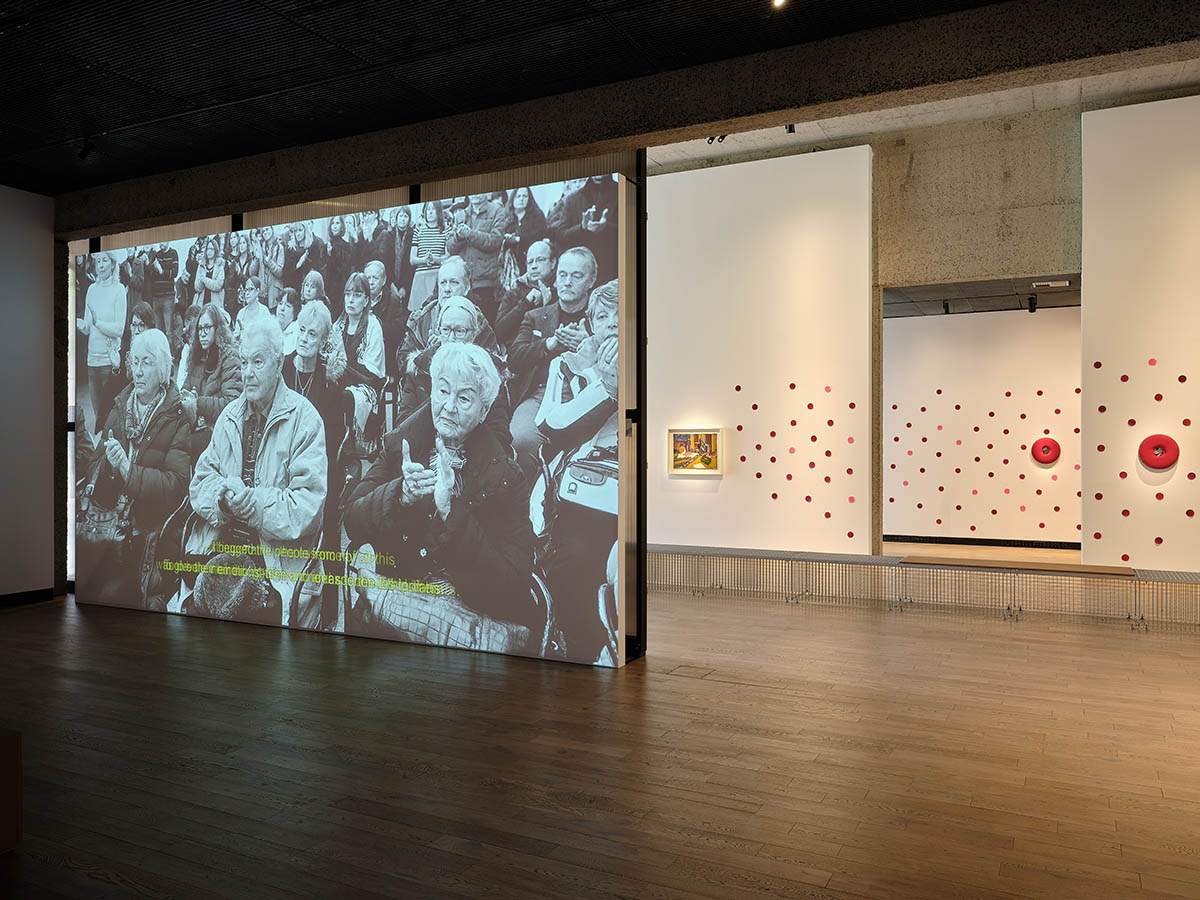
In the group exhibition Memory of Touch, Chapter I and Chapter II, you served as a Scientific Associate; works included in both chapters are mainly from the Kunsthalle Praha Collection. How many works does Kunsthalle Praha have in its collection?
Around 2,000 works. The collection is quite wide-ranging; it is sectioned into modern, postwar, and contemporary parts. The modern part is fairly small, but it includes some highlights from both Czech and international modernism, with artists such as Toyen and Max Ernst involved. That part of the collection travels quite a lot for exhibitions abroad. The major part of the collection is postwar and contemporary art, and that’s also the area where the collection continues to grow through new acquisitions or long-term loans from private collections and other lenders, including artists.
Memory of Touch came out of your conversation with artist Valentýna Janů in her studio.
It came from a conversation discussing the relationship between touch, memory, and audio experience: what resonated with us was the idea that touch can persist long after the moment itself has passed. An experience is made, but it remains present in memory and continues to affect you. I think this condition is present in many artworks in the exhibition, and it’s been central to the exhibition from the beginning. We think that artworks, as objects, but also as historical events, carry traces of human experience. It’s a frame that brings things together and allows these positions to be brought into dialogue across generations, geographies, and socio-political contexts. The titles bring together generations of artists from diverse geographical and socio-political contexts.
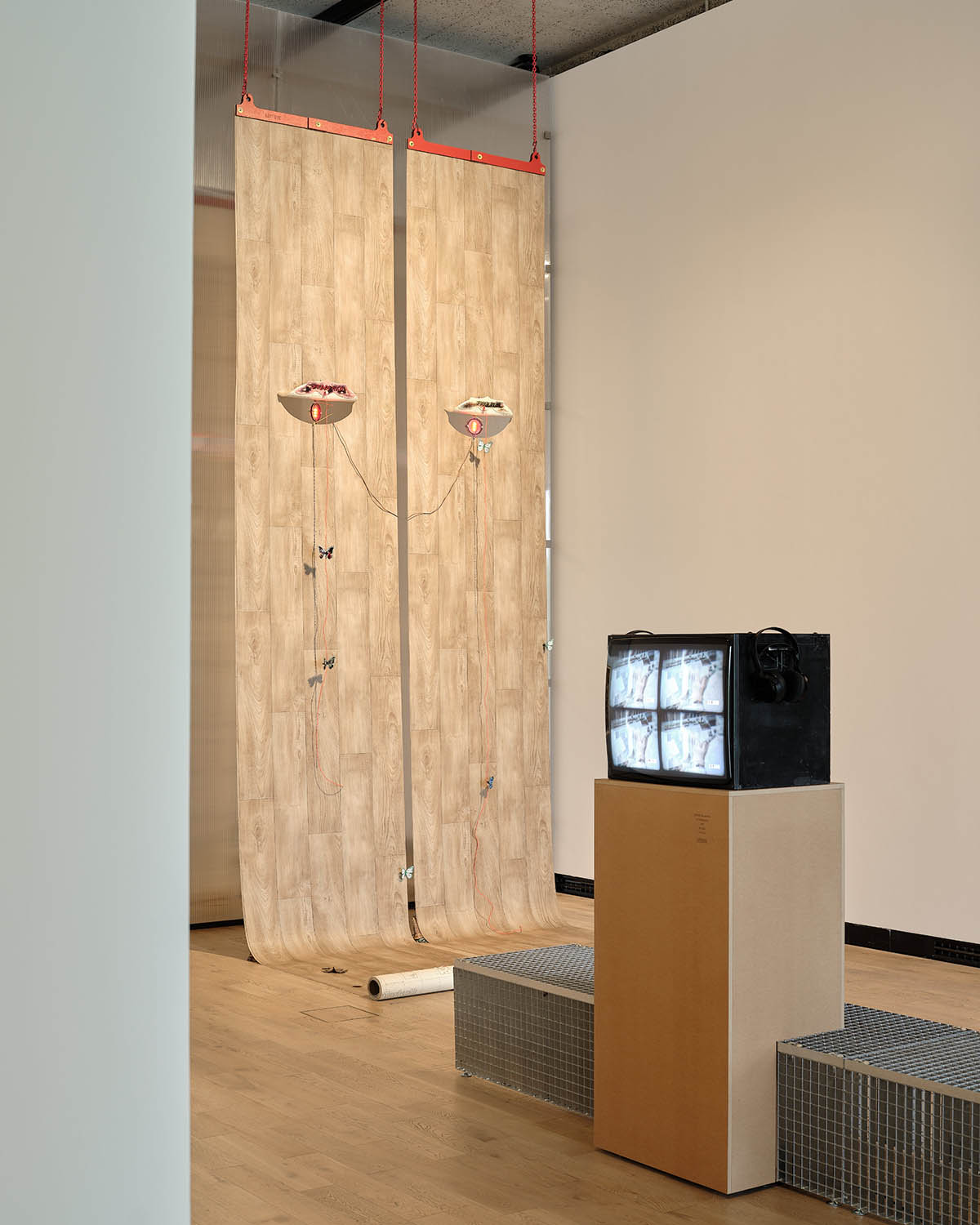
Touch might be seen as a form of memory, experience, and presence. In both chapters, visitors encounter not only works from the Kunsthalle Praha collection but also newly commissioned or invited positions by young artists from the Czech contemporary art scene. They’re divided into these chapters and clusters, but they remain in contact with each other at the same time.
The main reason we decided to split the exhibition into two chapters was that, while discussing „memory of touch“ and fragility, we realized the area was much wider than we’d expected. There were many subcategories that could be included, and it became clear that by dividing it, we could reflect on the topic from a historical context but also from a political one.
The exhibition approaches vulnerability and fragility not as weaknesses, but as qualities connected to openness, empathy, and the capacity to feel.
I knew Lukáš Hofmann’s work from before. It’s been fun to see how it’s developed and now to see him as part of the show. Is it right that, during the exhibition, there will be multiple performances?
Yes! At the end of September, the performance by the artist Lukáš Hofmann will take place. It relates to the exhibition topic and to the exhibition space. Hofmann is part of his performances and works in a group with a few additional performers: he works with the body and the borders of the body; viewers might become part of the performance. As I’ve experienced at some of his performances myself, the feeling it brings is touching and inspiring, especially in connection with the topic.
With the two chapters, there appears to be a different approach: in the first there’s a focus on resistance and protest, and in the second chapter it’s more about a state of being. Does this separation speak about that generational difference of the artist or a difference in poetic sensibility? How would you explain these two topics, or these two ways of seeing?
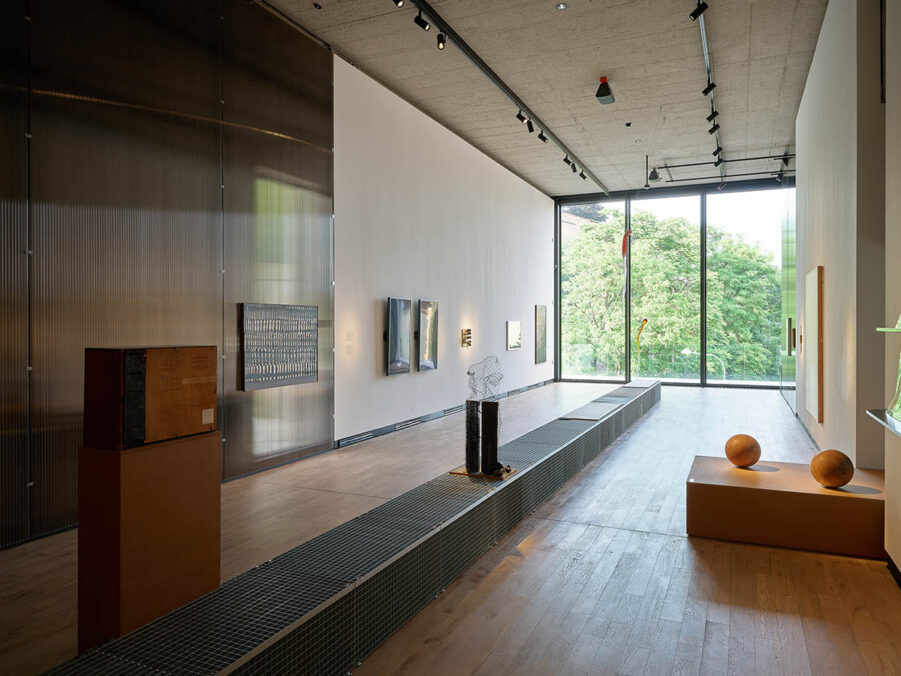
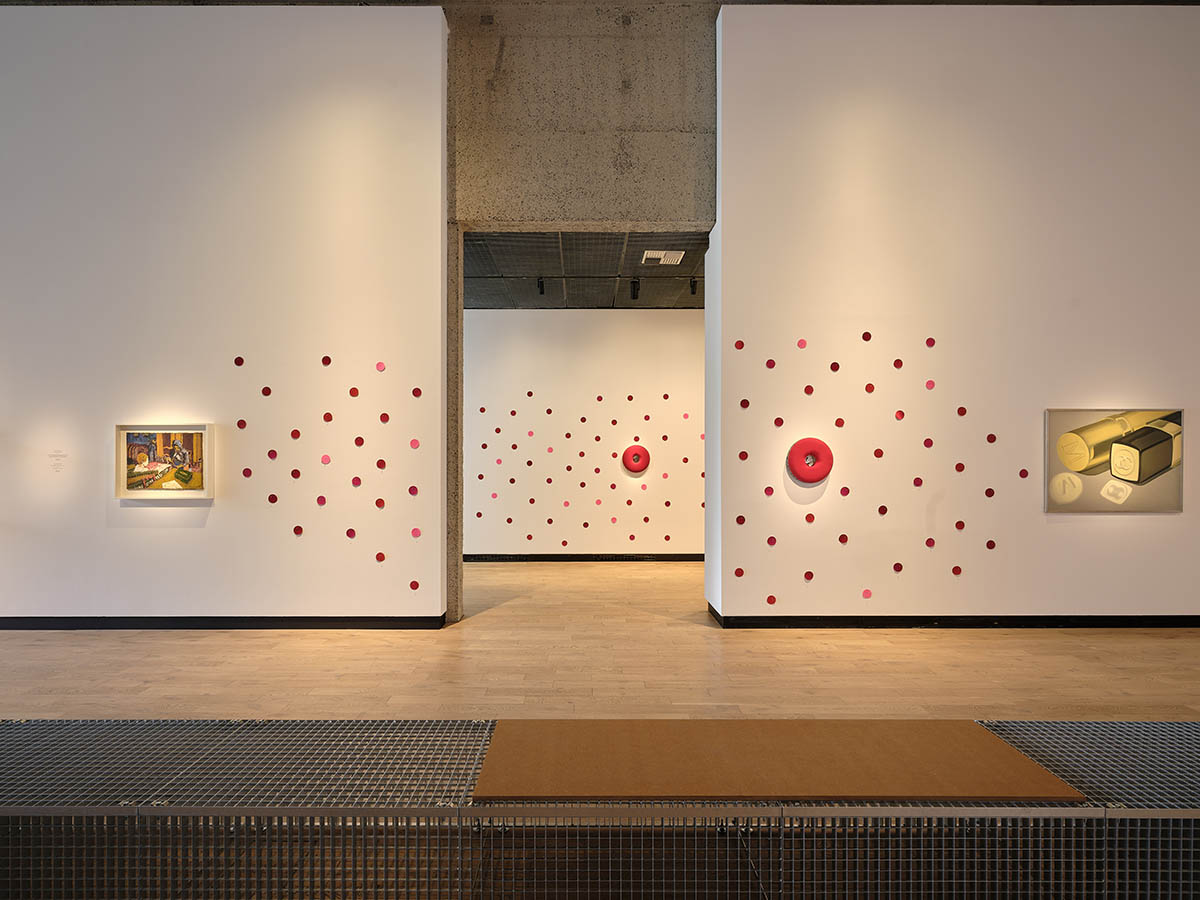
Chapter I looks particularly at artistic positions from the 1960s and 1970s in Czechoslovakia, including the period following the 1968 invasion and the subsequent Normalization era. The major focus in this chapter is on materiality and the formal side of the works exhibited. The works include those by Jiří Kovanda. Jiří Kolář and Zbyněk Sekal, and younger positions such as Jakub Choma and Marie Lukáčová. The other chapter is dedicated more to the feeling of the present moment. The second chapter will focus more on the poetic side of the events and current social topics, with works by artists such as Julie Béna and Klára Hosnedlová, but also older artistic positions such as Běla Kolářová and Emil Filla.
How did the selection of invited artists actually take place? Did you have specific artists in mind before the exhibition, or did you decide after the topic emerged? How did that happen?
The topic emerged first. Then we started to research the collection and discuss artists‘ positions. Inviting artists who are not yet part of the collection highlights the fluid nature of the collection, showing it not as a fixed entity but as something in constant change, evolving through dialogue, contemplation, and encounters with artists. Inviting artists was also a gesture of support for mid-career artists. We felt that the topics of the exhibition aren’t only relevant to historical, postwar-generation art; they remain highly perceptible in the current situation, too.
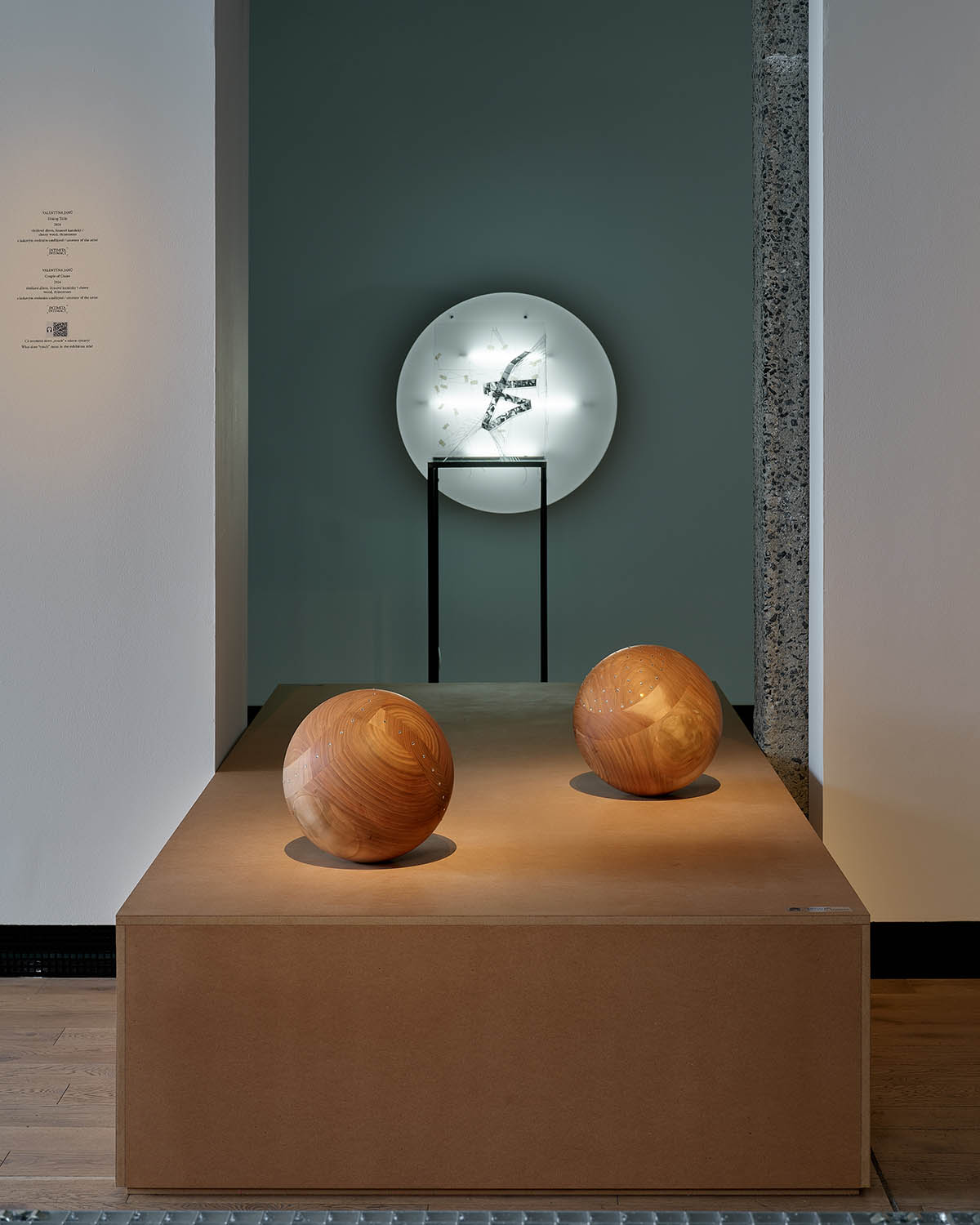
During the process, we visited many artists‘ studios. We discussed proposed artists in connection with both the exhibition concept and the collection itself. Some of these artists were connected to the collection, or we had been following their work for a longer period. It was interesting building that list and involving them in the exhibition and seeing the dialogue between their work and the historical generations.
Does the Kunsthalle Praha Collection buy works from artists while they’re still studying or right after graduation, maybe tied to their solo show?
When acquiring contemporary positions, we often follow artists’ practices over a longer period before bringing a work into the collection. Once the collection functions more like an institution, with ties to art-historical positions, we approach collecting from a long-term, art-historical perspective. That’s also true of the invited artists in this exhibition series; we have followed their work for a while before being invited. The collection is in a constant process of growth and transformation.
When you see these young artists in dialogue with the other generations, it is fascinating to see that connection, starting from Valentýna Janů and other artists using alternative materials.
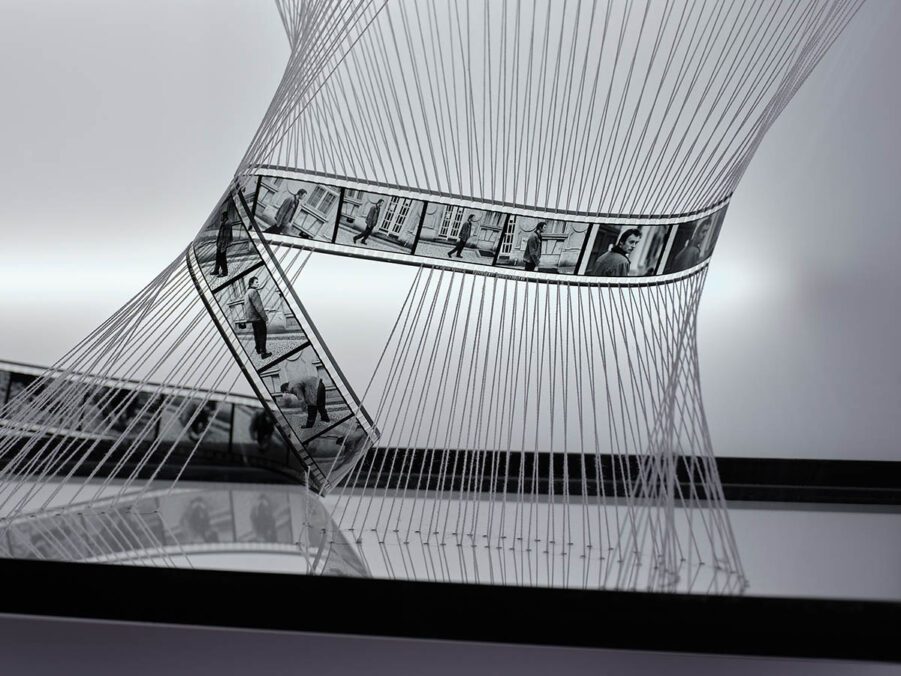
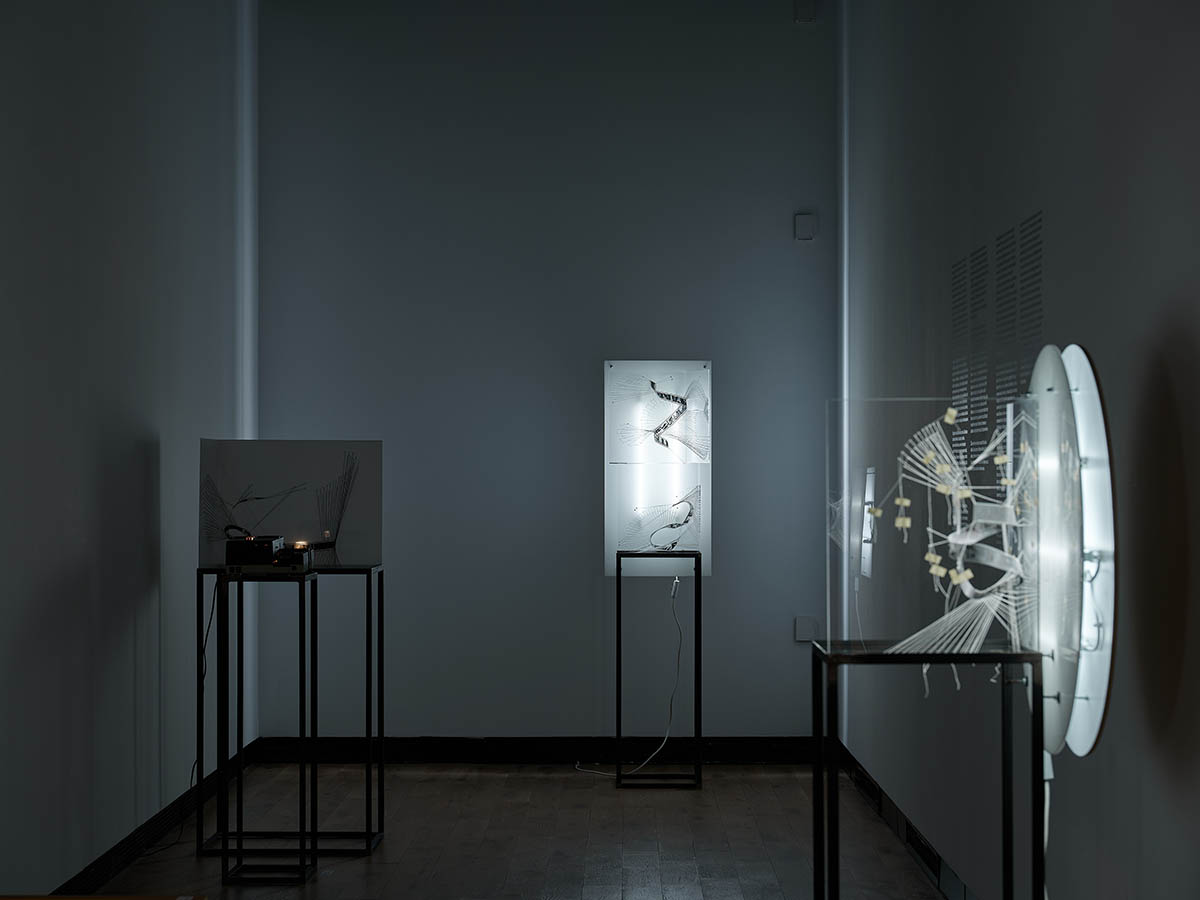
Valentýna Janů is one of the most distinctive voices of her generation on the Czech contemporary art scene and an artist whose practice resonates strongly with the exhibition’s themes. In chapter I, we can see her installation combining textiles, wood, and mirrors. It is fascinating to see her work in dialogue with other artists from historical generations. It is highly interesting to reflect here on the use of alternative materials, a topic that resonates across different periods and contexts. This is partly related to the need to replace art materials that are not readily available. At the same time, however, experiments with materials can highlight the importance of a conceptual approach to artistic practice. It is precisely this diversity and variety of approaches that reveal the broader potential of materials in relation to memory, haptics, and touch. In the ’60s and the period of normalization, artists usually worked with alternative materials because they were forced to; it wasn’t possible to access proper artistic materials. Artists like Běla Kolářová or Marie Rychlíková used alternatives from kitchen elements or makeup, or otherwise focused on realizations for architecture.
This is a nice moment to bring in Knížák and the Fluxus movement. Can you tell us a bit about this part of the collection? Material-wise, Fluxus is interesting.
Well, our collection of Fluxus work isn’t included in this exhibition, but it’s still relevant to mention it in terms of the process of working. Memory of Touch Chapter I presents works by Milan Knížák’s series Broken Music; part of the work was also at the Venice Biennale in 1999. They’re actually remnants of actions he carried out during the Normalization period. In 1965, Knížák began creating Broken Music by damaging gramophone records, scraping them, sticking tape on them, applying paint, burning them, breaking them, gluing fragments of different records together, playing them, and recording the results. New recordings created in this manner were issued as vinyl records as early as the 1970s, in several editions of Broken Music.
What is it about this actual need to protest, the need to actively make a statement? Was that an important part of the art discourse at the time, and is it still present today?
Using materials in ways that were never used before could be a statement too. I would like to mention Stanislav Kolíbal, a well-known artist from the postwar era, who has exhibited at the Venice Biennale and elsewhere. We’ll include his installation called Silence after the Fall, work from the mid-’70s. It’s composed of wood, iron, and thread. It embodies formal restraint; he created this sculpture, or better, „drawing in space“ work, made in the period of liberalization in the late 1960s and the restrictions imposed during normalization. He created these ephemeral installations within the private space of his studio. That’s a strong position. It’s highly minimalistic work but also deeply existential, and that existentialism is typical of postwar art in Czechoslovakia.
There’s a meaning that emerges around observing fragility. Artists have always been able to extract the deeper essence of reality. And I think that this need to actively make a statement is still alive today. Especially in the current geopolitical and sociological situation.
Toyen and Adriena Šimotová appear in Chapter II—two women whose work has long been read through trauma and the body. Were you conscious of avoiding a reductive „fragility = feminine“ reading?
Gender was not an organizing curatorial criterion. The intention wasn’t to think about fragility only through the lens of feminism. The exhibition was used as a platform to show how powerful and independent these artistic positions are, rather than framing them as underrated or suppressed. We are currently developing internal thematic subcategories that create meaningful connections between individual works. This approach enables us to interpret the artworks within broader contexts and to explore the relationships between them, encouraging a more complex understanding of the exhibition as a whole. Connections and thematic clusters within Chapter II as in the development process.
Milena Dopitová’s I Do Not Expect to Change (1993) and Zhanna Kadyrova’s Second Hand (2017) are the two works singled out in Chapter II as part of the promotion for the upcoming exhibition. What is it about those two pieces that made them the public face of this chapter?
These two works represent different positions, different generations. Milena Dopitová represents the local art scene, especially the 1990s generation, which played a transformative role in Czech art. Her work addresses themes of identity, transformation, and personal agency in a language that is both intimate and socially resonant. On the other hand, Zhanna Kadyrova’s series reflects on the traces left by human activity and on instability and transience. Zhanna Kadyrova’s work relates to the household, housework, and the association between women and domestic labor. The exhibition looks beyond the region; our main focus within the exhibition is the Czech context, but the broader strategy of our collection is to focus not only on the Czech Republic and Central Europe but also on bringing in international contextual connections.
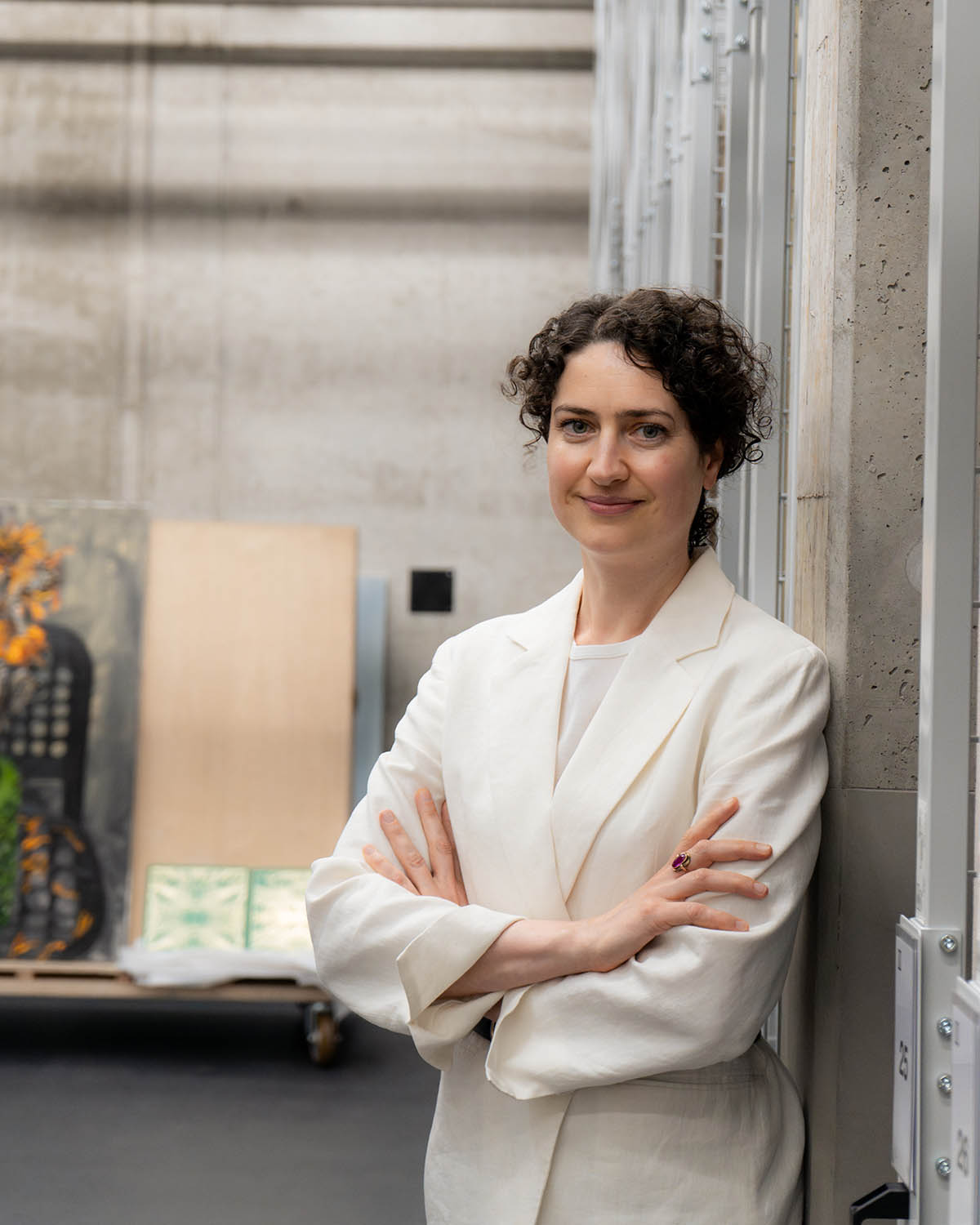
You also lead a „PAW“ Prague Art Week tour alongside artists Roman Štětina and Marie Lukáčová. What does hearing artists narrate their inclusion in a historical collection add that a curator’s framing alone can’t?
Guided tours are happening throughout both chapters. We put great effort into educational programs, guided tours, and different approaches to the topic each time. As you mentioned, there’s a guided tour that’s part of Prague Art Week; this is one of the few that will be happening during PAW. There are also guided tours more focused on the collection itself, on the conservation and restoration side of the collection. Some special cases are interesting to discuss and present to the public, because we’re conscious that this part of our conservation and registration isn’t usually visible within exhibitions. The tour in the frame of the PAW will be done together with artists Marie Lukáčová and Roman Štětina. Artists always bring a different perspective than curators. Curators tend to highlight historical context and conceptual frameworks, and connections between works, whereas artists bring a unique understanding of motivation and often more profound insight into their creative approaches. They can also reflect on connections to the historical part of the exhibition if they see influences or personal associations there. For me personally, having the artists involved frequently enables me to come up with enriching ideas. Artists are part of the dialogue too: seeing the collection not as something fixed and given but as something that opens up possibilities for dialogue, for networking, for conversation.
Exhibitions: Memory of Touch Chapter I and II
Curated by Tevž Logar
Scientific Associate: Barbora Ropková
Chapter I. Exhibition duration: June 19 – October 8, 2026
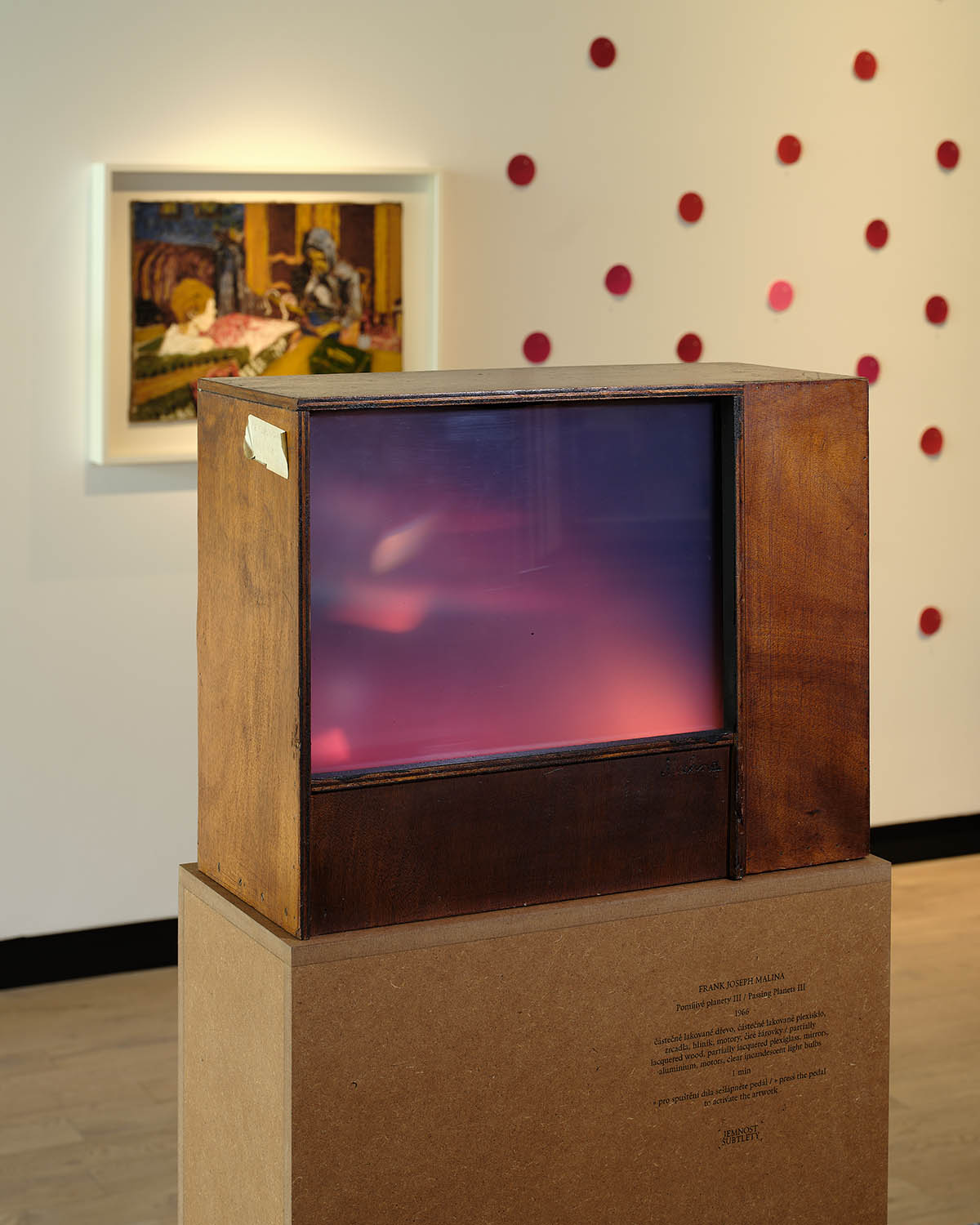
Exhibiting artists from the Kunsthalle Praha Collection: Zbyněk Baladrán, Jiří Černický, Agnes Denes, Emil Filla, Tomislav Gotovac, Milan Knížák, Jiří Kolář, Běla Kolářová, Jitka Kolínská, Eva Koťátková, Jiří Kovanda, Bohumil Kubišta, Heinz Mack, Frank Joseph Malina, Ján Mančuška, Haroon Mirza, Jaromír Novotný, Theodor Pištěk, Marie Rychlíková, Edita Schubert, Kurt Schwitters, Zbyněk Sekal, Ira Svobodová, Jindřich Štyrský, Goran Trbuljak
Invited exhibiting artists: Jakub Choma, Lukáš Hofmann, Igor Hosnedl, Valentýna Janů, Marie Lukáčová, Roman Štětina
Chapter II. Exhibition Opening: November 13. 2026
Chapter II. Exhibition Duration: November 13. 2026- April 12. 2027
Exhibiting artists from the Kunsthalle Praha Collection: Julie Béna, Josef Bolf, Tacita Dean, Milena Dopitová, Ferenc Ficzek, Emil Filla, Robert Gabris, Milan Grygar, Klára Hosnedlová, Anna Hulačová, František Janoušek, Zhanna Kadyrova, Běla Kolářová, Stanislav Kolíbal, Julius Koller, Endre Nemes, Louise Nevelson, Roman Ondak, Otto Piene, Teodor Rotrekl, František Skála, Societe Realiste, Adriena Šimotová, Václav Špála, Toyen
Invited exhibiting artists: Kryštof Brůha, Jakub Jansa, Valentýna Janů, Natálie Perkof, Barbora Zentková & Julia Gryboś
Opening Hours: Monday, Wednesday, Thursday, Saturday, Sunday: 11:00 AM–7:00 PM | Friday: 11:00 AM–9:00 PM | Tuesday: Closed
Address and contact:
Kunsthalle Praha
Klárov 5, 118 00 Prague 1
www.kunsthallepraha.org
www.instagram.com/kunsthallepraha
View all upcoming events here.