This year’s edition marks the fifth anniversary of the Ljubljana Art Weekend. What have you learned in the previous years, and what did you observe happening in the scene in Ljubljana? Did it grow?
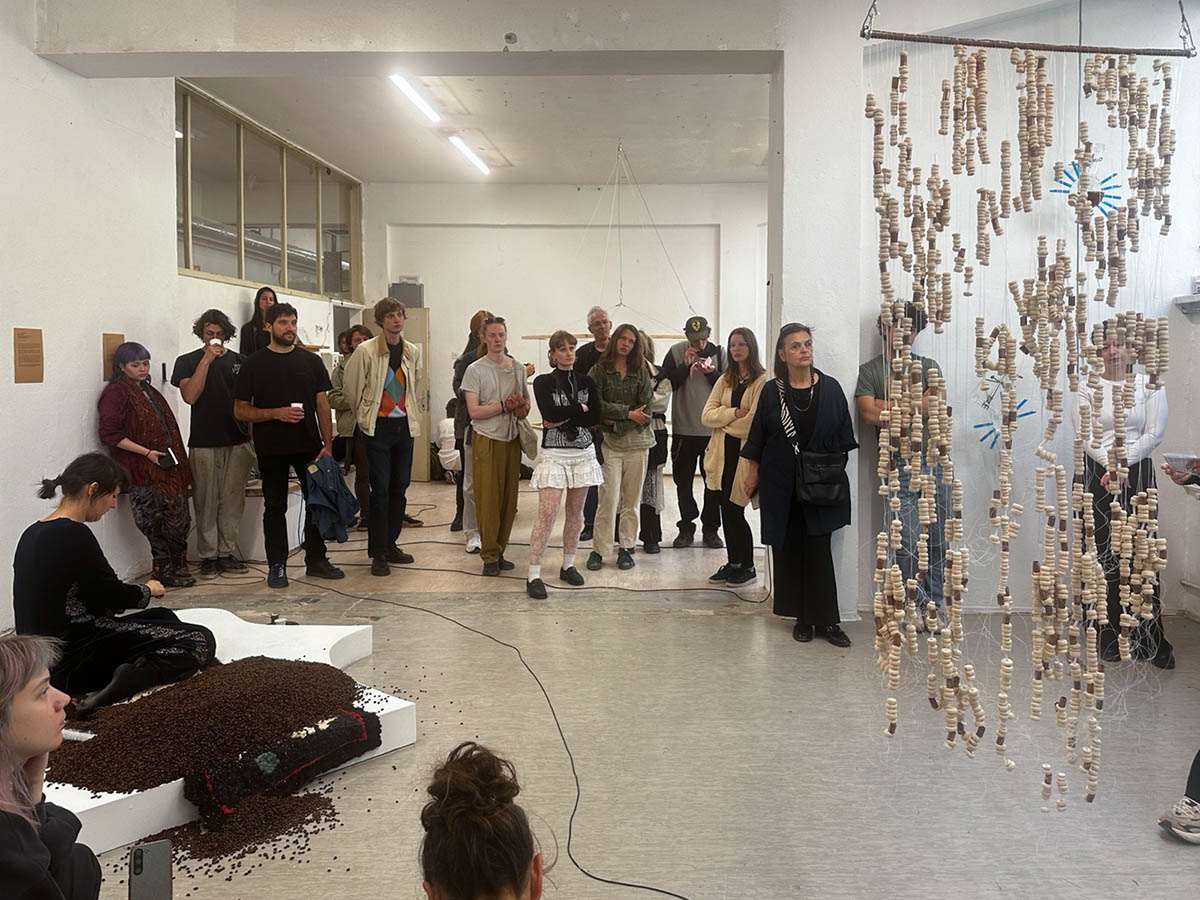
We have been closely observing the development of Ljubljana Art Weekend for three years now, since ETC. Magazine took over the artistic direction in 2024. During this time, we have seen it evolve into a platform that actively strives to include an increasingly diverse range of initiatives. One of the most positive developments has been the noticeable rise of collectives and self-organised approaches, particularly among younger generations. Alongside this, we have seen a growing number of experimental exhibition and event formats that engage directly with the city and public space, such as site-specific interventions, context-bound Artwalks, temporary installations, and performances.
Over the past three years, Ljubljana’s art scene, from both participants‘ and visitors‘ perspectives, has become more open to this type of event. We have observed a greater willingness among organisations and individuals to collaborate with us, to align their programmes with the festival’s, and to treat Art Weekend as an opportunity for collective visibility. This shift has been one of the most encouraging signs that Ljubljana Art Weekend will continue to grow and flourish in the years to come.
At the same time, we, as a curatorial collective, have learned as much. Our approach to curating the programme has evolved through conversations with our partners; their observations, suggestions, critiques, and experiments have in many ways shaped what we do. Perhaps most importantly, we have learned that curating a festival of this kind is not a linear process, but a constant and welcome negotiation between organisers, participants, audiences, and the city as a living organism.
How else would you understand the phrase Full Circle?
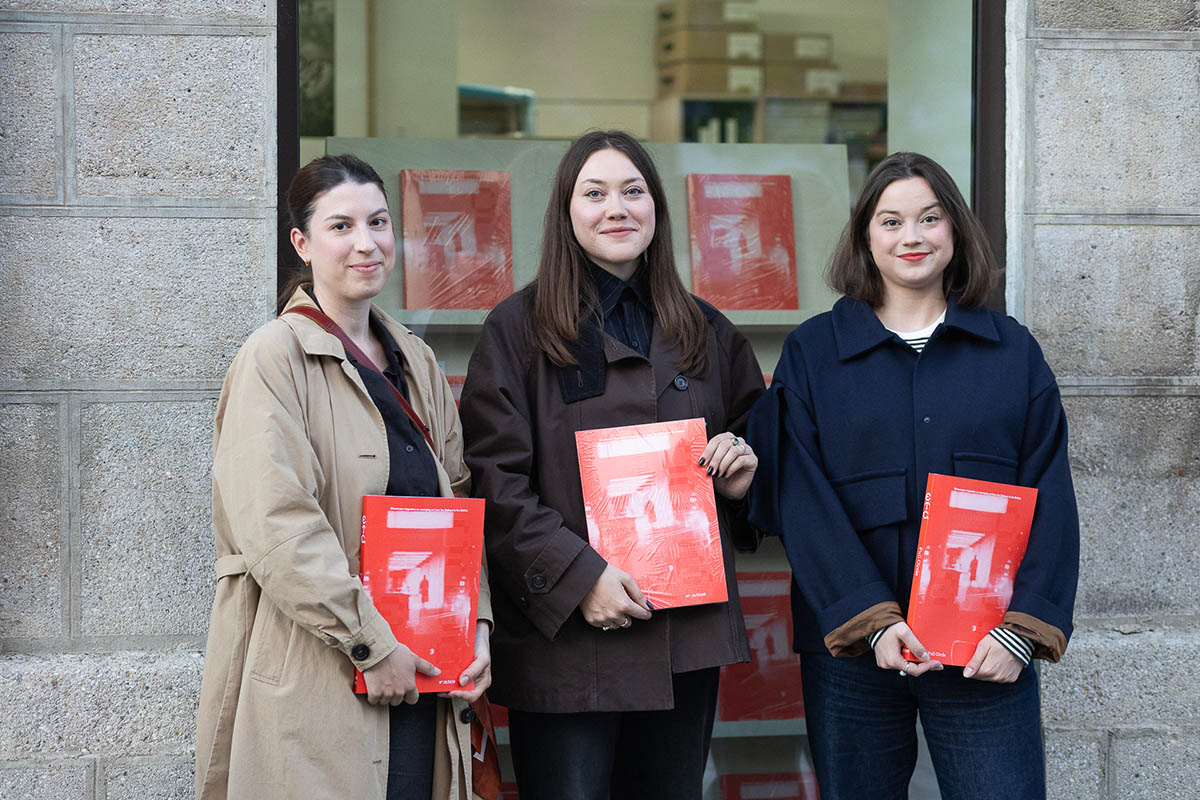
It seems this phrase is often understood as a seemingly inevitable return and constant repetition of the same patterns of political violence, oppression, power dynamics, or intergenerational trauma throughout history. There is an important positive connotation to it, nevertheless. In the current issue of our magazine and this year’s edition of Ljubljana Art Weekend, under the same title, we tried to acknowledge the repetition of these cycles and offer the starting point to recognise these patterns to break them. This year’s curated programme and individual local positions thus offer strategies for interruption, gestures of various strengths, and counter-practices that refuse to re-enter the loop. Rather than adopting a fatalist stance of accepting the return of harmful patterns and violence of the past, we try to better understand the nature of repetition and provide possible grounds for a better understanding of what is to come.
Tell us how the general topic of this year will be transferred into the program and exhibitions. Guided tours, especially this year, sound very interesting. Can you tell us more about it?
This year’s topic is present in every segment of the programme. While Ljubljana’s exhibition venues promise a rich selection of openings, guided tours, workshops, performances, discussions, presentations, and screenings related to this year’s topic, we also prepared a curated programme featuring established formats such as Artwalks, Meet Cute, Off the Map, and Crit Club.
Artwalks, guided tours led by a range of experts, became one of our staple events. The walks take visitors into different parts of town, some venturing off the map and exploring unconventional routes, temporary interventions, and sites that exist outside the city’s established art geography. The walks approach the city as a living archive in motion, not a repository but a process of selection and storytelling shaped entirely by each guide’s unique viewpoint.
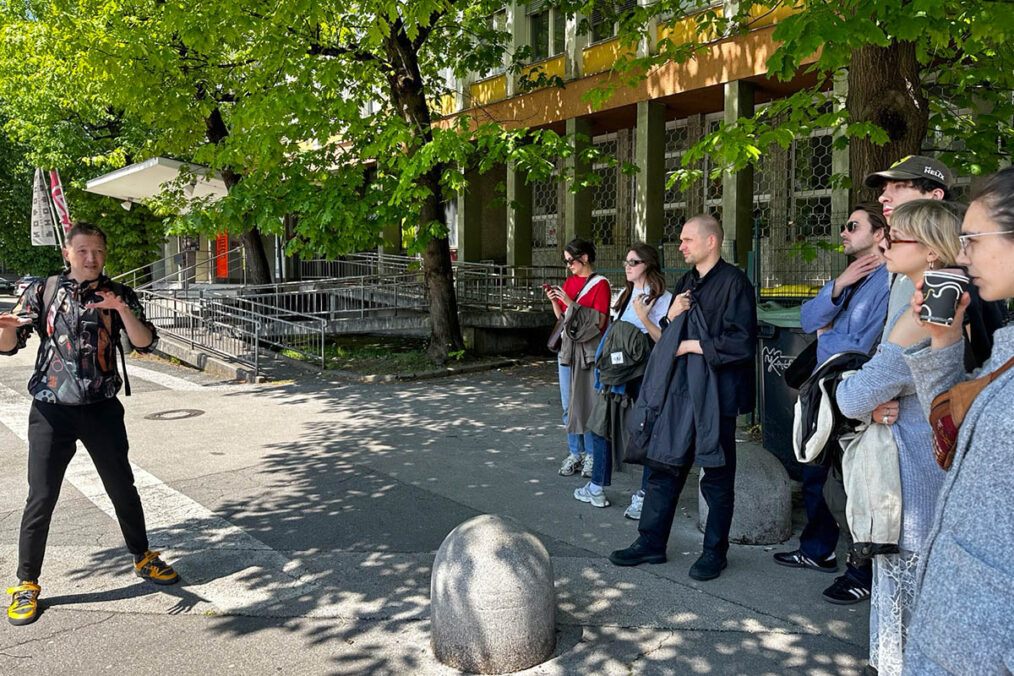
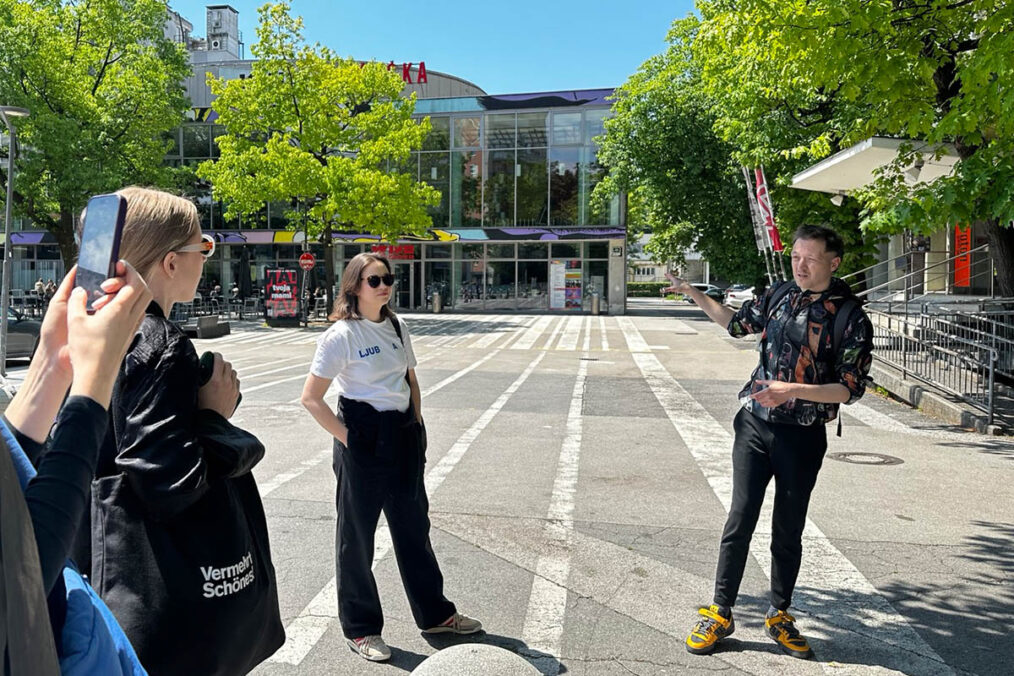
This year, the visitors will be able to join a walking city tour titled Ljubljana, Jugoslavija with Arne Zupančič, an editor and tour guide, and explore the relationship between revolution and art, the canon, and Yugoslavia’s self-determination. Nonument Group, a research-driven artistic collective known for immersive spatial experiences, will invite visitors to join them on the sound drive TGH-48 / Nothing Can Happen Here, set within the iconic Sever Garage. They will be able to take a ride through layered narratives, exploring the hidden stories and unique spatial qualities of this remarkable but often overlooked structure to understand the spaces whose meaning has been transformed as a result of historical processes.
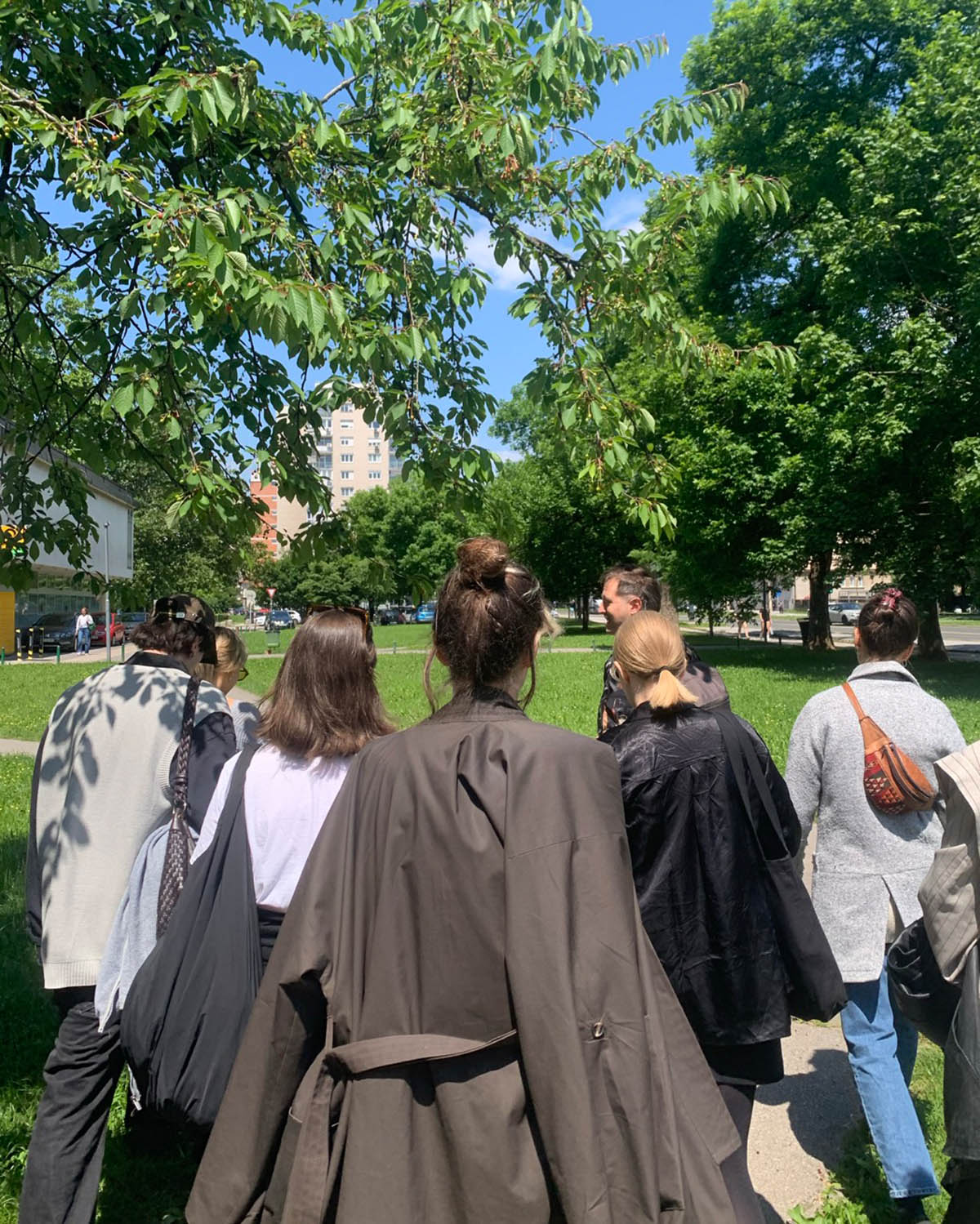
Special formats of Artwalks are OFF THE MAP events that take guests to more remote parts of Ljubljana and, through a curated walking tour, introduce the artistic initiatives and organisations in the area, offering an insight into how a particular community operates. These walks are not just detours through the city’s periphery; they are embedded in the logic of this year’s edition. They’re one of those gestures, refusing the usual tour circuit by heading to the margins, where diverse models of practice and community already exist.
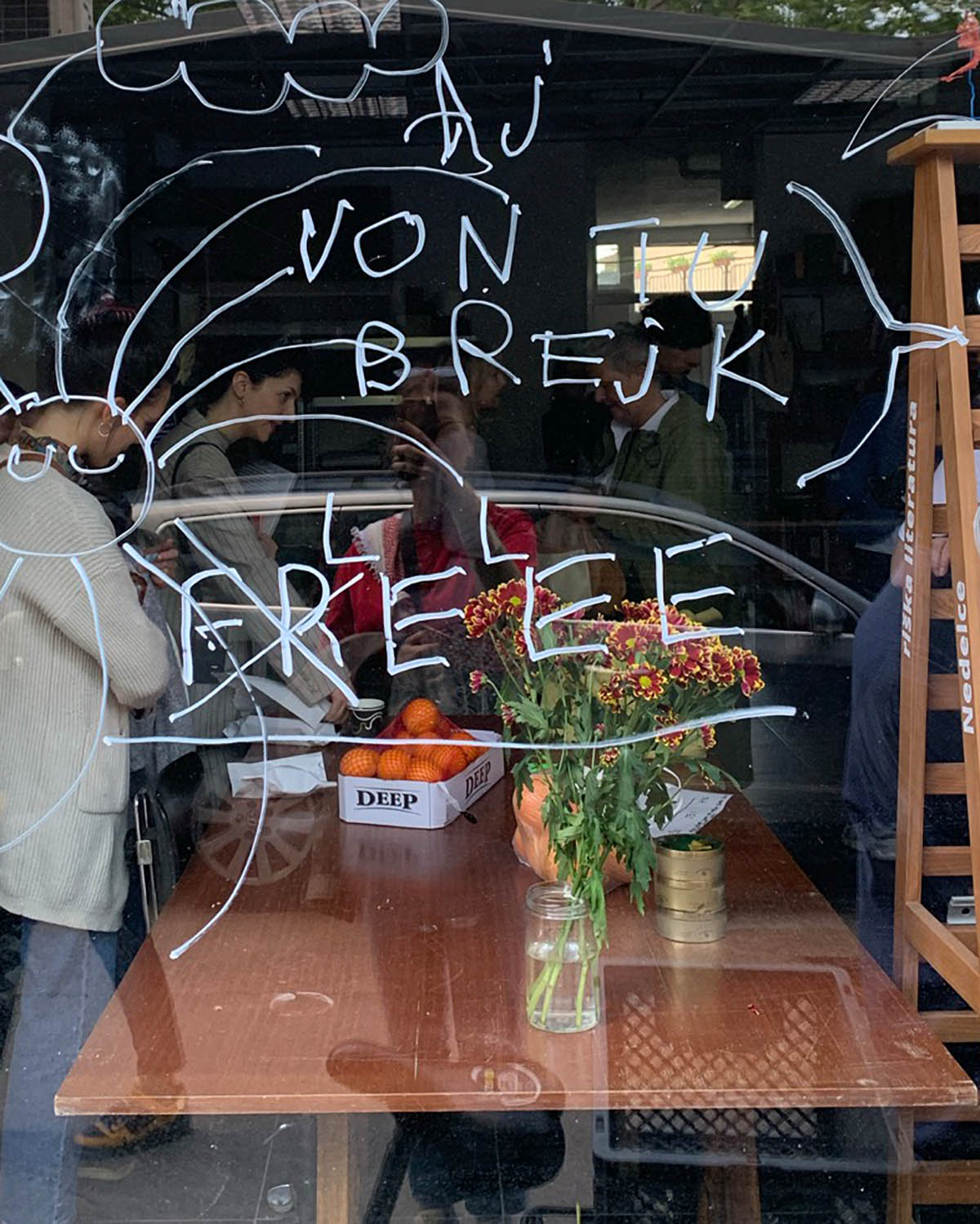
One of the off-the-map visits will be to the artistic initiatives in the Šiška Neighbourhood. Guided by Simon Gmajner, art producer, curator, and a savvy insider of the Ljubljana contemporary art scene, the tour allows visitors a chance to meet intriguing characters operating in different models of artistic practices. The second tour will take visitors to the Nove Fužine Neighbourhood, known for its modernist residential architecture, wide demographic variety, and strong community bonds. Through a guided tour at the Museum of Architecture and Design and a publication presentation by Robida Collective and curatorial platform WCSCD, we will highlight transdisciplinary sustainable practices that encourage different intergenerational collaboration between individuals and institutions.
Different formats attract different audiences, but what are the must-see events this year?
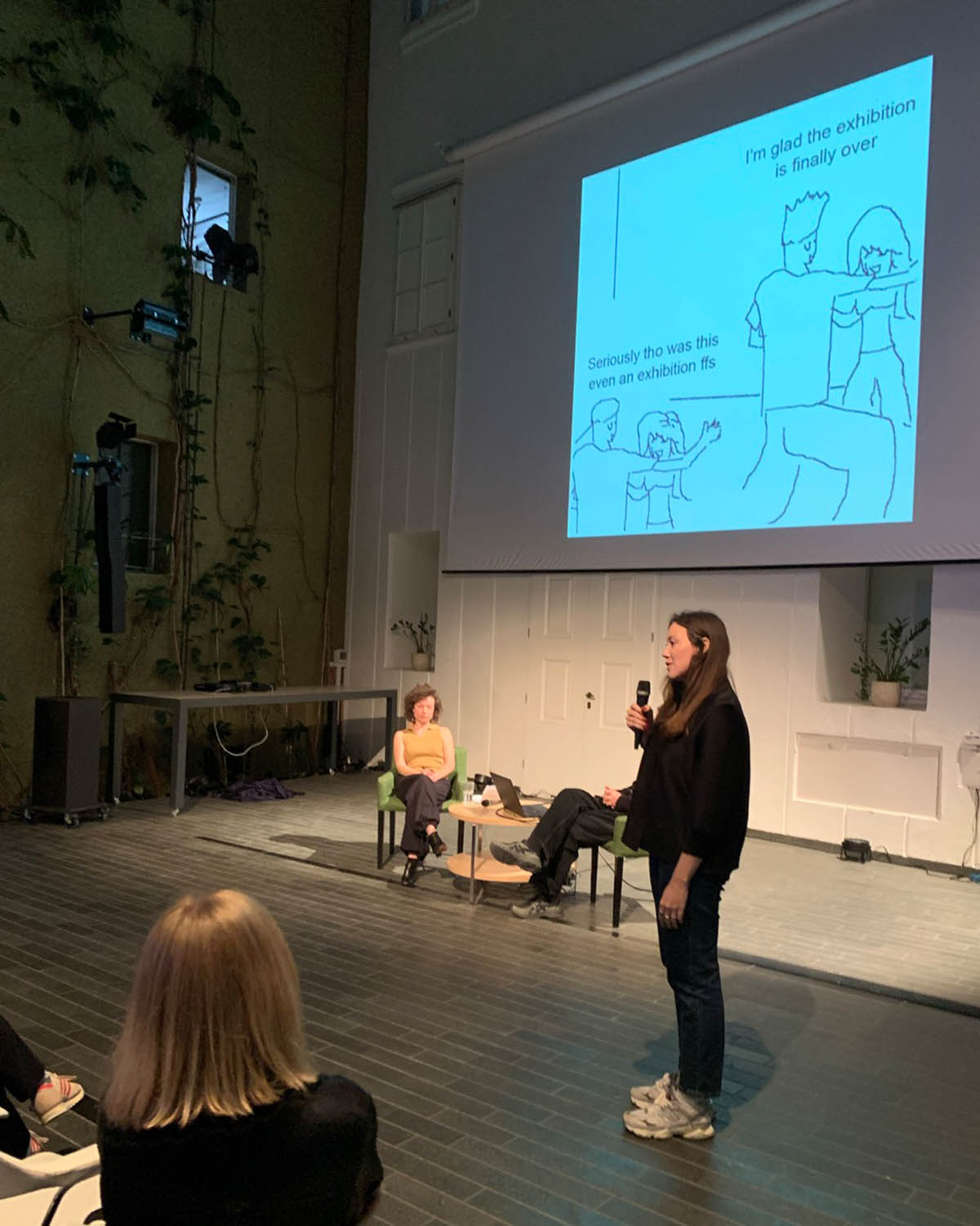
We believe the true „must-see“ depends on what you’re looking for, but there are a few highlights we wouldn’t miss ourselves. One of this year’s highlights is Crit Club, a signature format developed by artist Cem A., where two teams debate what at first glance seems to be an unrealistic question about art. In a field where disagreement often feels risky, Crit Club creates space for critical play. Rather than rehearsing praise or silence, participants are invited to engage in disagreement—as performance, as roleplay, as a thought experiment. Each debate starts with a seemingly unrealistic question. One side argues for it, the other against it, until they switch roles midway through. For this year’s edition, Crit Club will take place in Sokolski dom Tabor, the city’s historical sports hall, accompanied by a fencing event that frames the debate. Moderated by Kate Brown, the local and international art professionals Stephanie Bailey, Manca G. Renko, Alenka Pirman, and Andrej Škufca will face off on two opposing sides and discuss the question, “Should Art Look Forward, Never Back?”
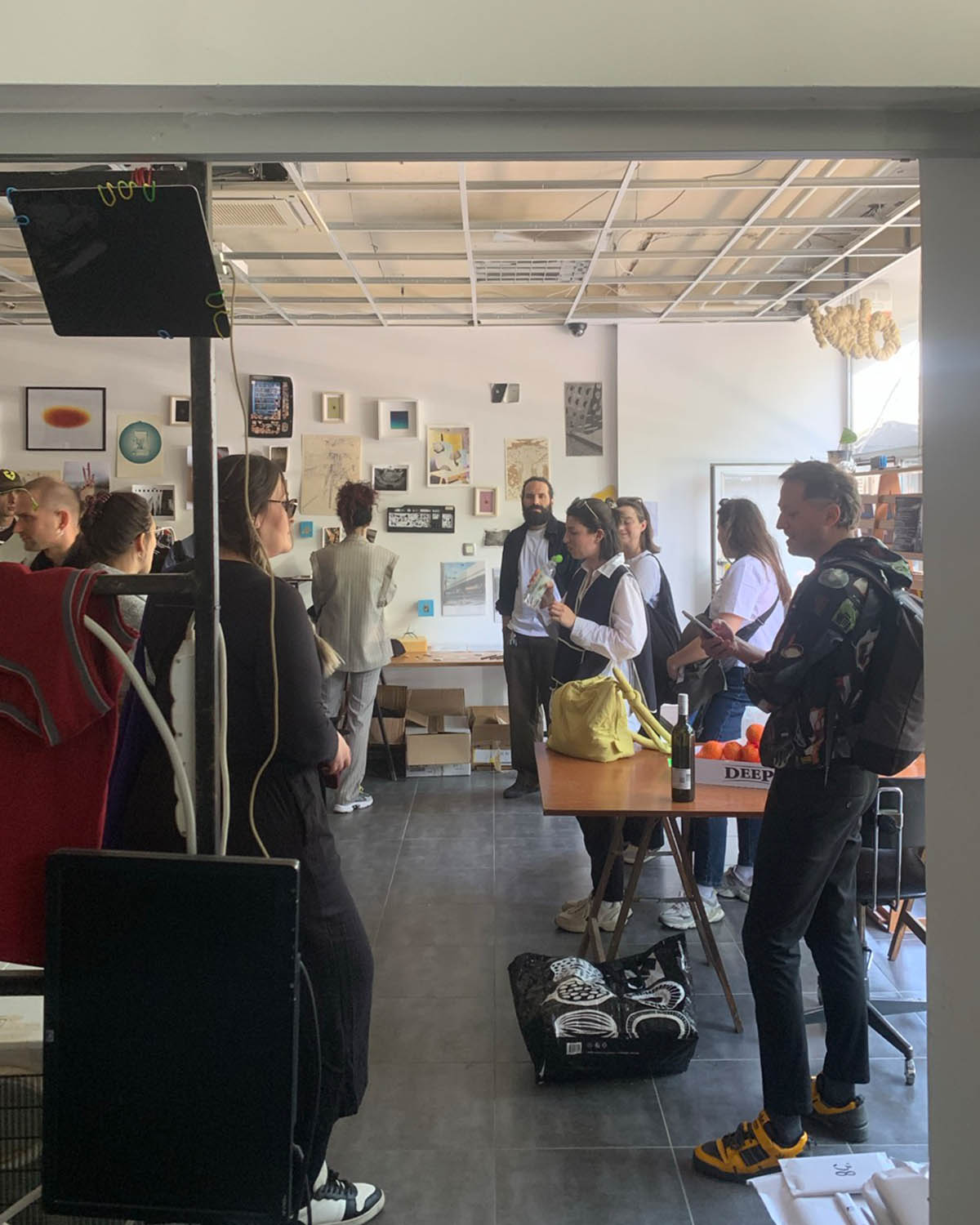
We will also curate a central exhibition of Ljubljana Art Weekend within RAVNIKAR Projects. Joined by our guest curator Vasil Vladimirov and artists Nevena Aleksovski, Damir Avdagić, Indra Gleizde, Center for Peripheries, Maja Bojanić, Rayna Teneva, and Luka Cvetković, we will explore how personal histories are being shaped within broader socio-political circumstances, such as migration, war, and the perception of national and regional borders. The exhibition will be accompanied by a brunch event and discussion with the Center for Peripheries about neighbourly relations: from fleeting solidarities and micro-conflicts to transnational movements.
Your program this year is bringing many international names to the picture. What are the benefits to the scene through these collaborations?
We are happy to host more and more international collaborators and guests for Ljubljana Art Weekend each year. The real value is in continuity. We want to become next year’s returning faces and the year after that. That’s what makes collaborations resonate beyond a single edition. Alongside Artwalks and discursive programmes, one of the important formats for such international exchanges is our regular feature Meet Cute, a networking event connecting artists and curators. Portfolio reviews present valuable opportunities for artists as well as offering insight into the local art scene for international curators. This year, the artists will be able to meet with Alenka Trebušak, curator from Ljubljana’s Cukrarna Gallery; Maja Antončič, curator from the Center for Contemporary Arts Celje; Róna Kopeczky, artistic director of acb Gallery; and independent curators Antonina Stebur, Biljana Ćirić, and José Roca. We see these kinds of formats present a perfect opportunity for international cultural workers to get an overview of the local artistic scene, while on the other hand, they give local artists and curators a chance to exchange ideas, get feedback, and meet art professionals from all over the world.
What are your thoughts on art criticism today, and what could be done to perhaps support it?
Writing about contemporary art has increasingly become a matter of commercial posting, while international PR runs on financial capacity rather than critical substance, often overlooking smaller-scale events and efforts. While the space for art criticism has been shrinking with the fading of the (mainstream) print media and finding its place online and, to some extent, losing its strength in the cacophony of content, we find it’s in all of our interests to encourage the critical exchange on different levels. That’s why this year we made a point within the priorities of Ljubljana Art Weekend as well. We have extended the invitation to journalists we will be hosting in Ljubljana, moving beyond promotional announcements toward a genuine reflection. We are strongly aware that when journalists and art writers can attend in person, they meet the artists, sit with the curators, and speak with the locals. They catch the informal conversations between panels, all the details that never make it into a press kit. That first-hand engagement has concrete effects: for our local scene, it means being seen and written about with nuance, and it builds a layer of grounded criticism that helps Ljubljana register as a place of meaningful practices and relevant positions.
Ljubljana Art Weekend 2026
„Full Circle“
May 21–24, 2026
For more information and to see the full programme, please visit www.ljubljanaartweekend.com.