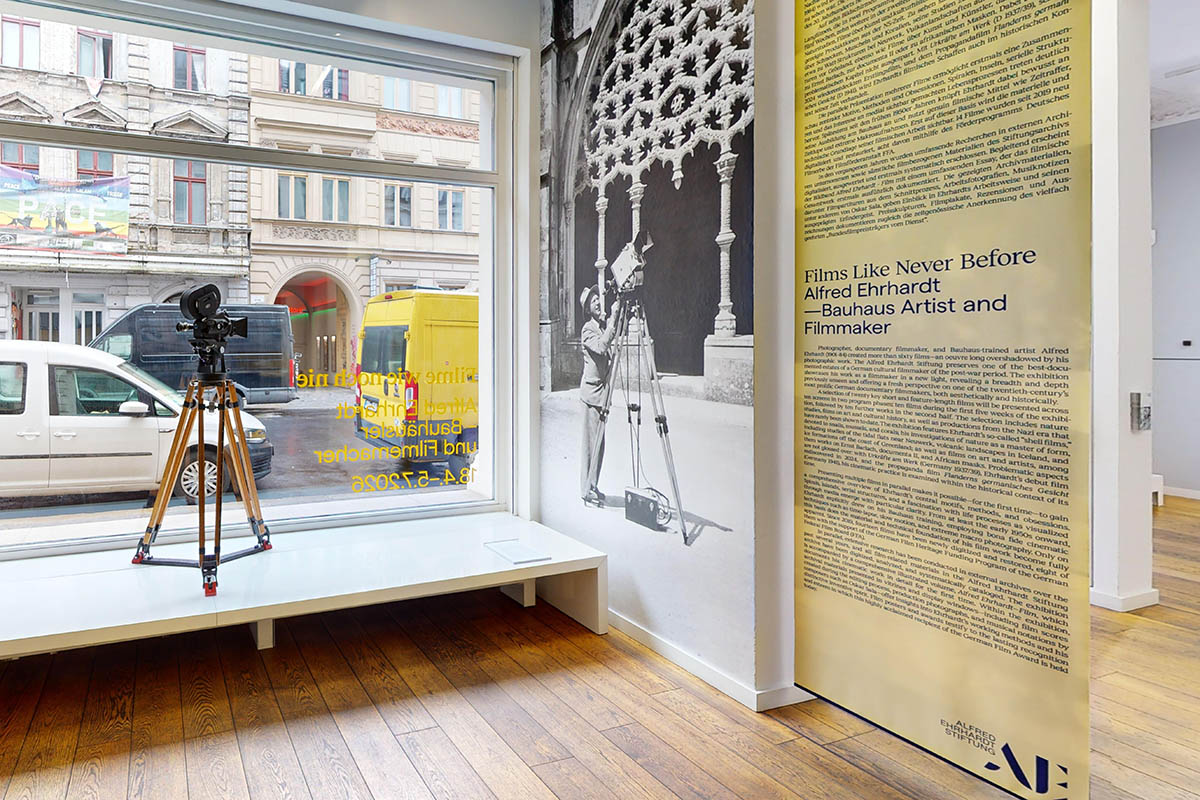
Now, the Alfred Ehrhardt Stiftung bring his films to the fore, offering a fresh aesthetic and historical perspective on one of the most prolific German cultural filmmakers of the twentieth century.
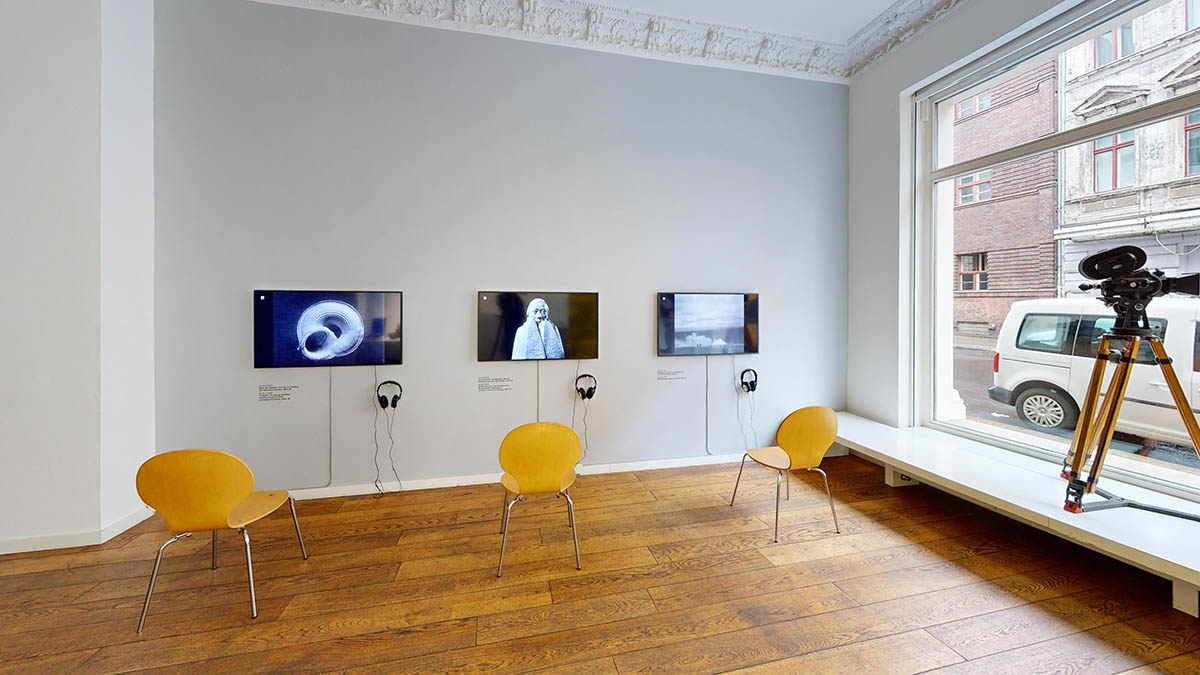
A selection of twenty key short and feature-length films will be presented across ten screens in two program phases: ten films during the first five weeks of the exhibition, followed by ten further works in the second half. The selection includes nature studies, films on art and cultural history, as well as productions from the Nazi era that have rarely been shown to date. The exhibition features Ehrhardt’s so-called “shell films” devoted to snails, mussels, and corals; his investigations of nature as a master of form, including studies of the tidal flats near Neuwerk, volcanic landscapes in Iceland, and ice formations off the coast of Greenland; as well as films on art and artists, among them works on Ernst Barlach, documenta II, and African masks.
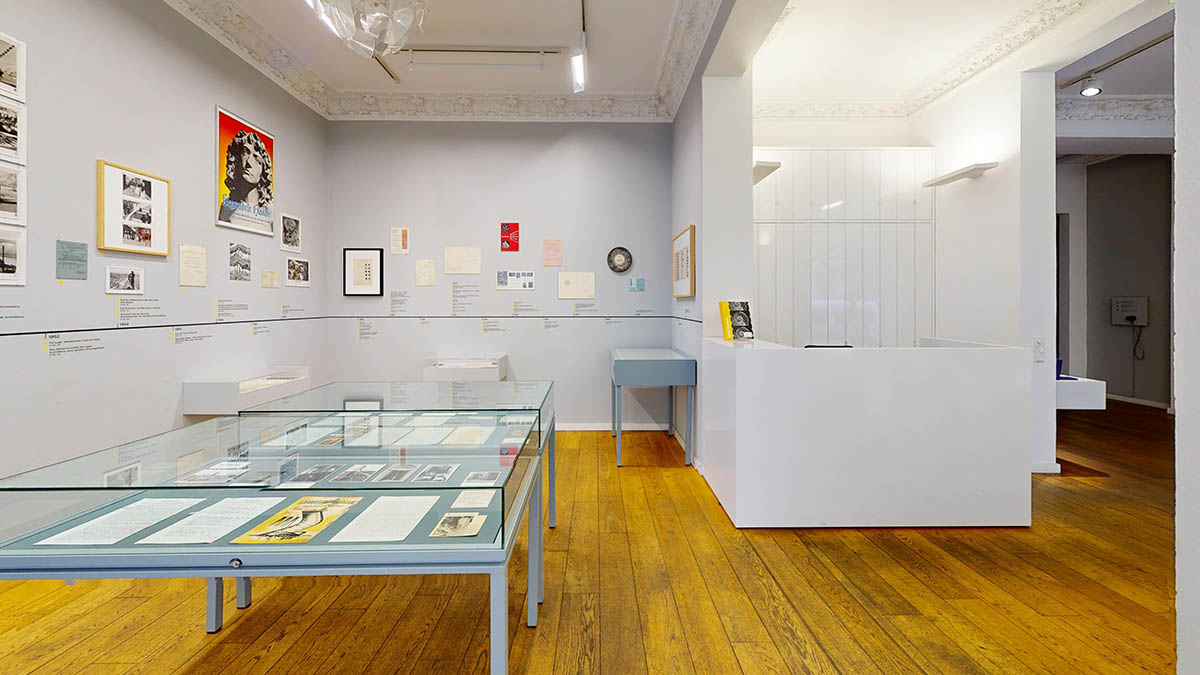
Problematic aspects are not glossed over. With Urkräfte am Werk (Germany 1937/39), Ehrhardt’s debut film rediscovered in 2024, and the propaganda film Flanderns germanisches Gesicht (Germany 1941), his cinematic practice is examined within the historical context of its time.
Presenting multiple films in parallel makes it possible—for the first time—to gain a comprehensive overview of Ehrhardt’s central motifs, methods, and obsessions. Spirals, islands, serial structures, and a fascination with life processes as visualized through media emerge with particular clarity. From at least the early 1950s onward, Ehrhardt explicitly drew on his Bauhaus training, employing bona fide cinematic techniques such as time-lapse, slow motion, and extreme macro photography. It is only on this basis that the material and technical foundation of his film work become fully apparent. Since 2019, fourteen films have been newly digitized and restored, eight of them with the support of the German Film Heritage Funding Program of the German Federal Film Board (FFA).
![Alfred Ehrhardt Film still from the film Korallen – Skulpturen der Meere, 1964 © Alfred Ehrhardt Stiftung [Source credit: German Federal Archives (Bundesarchiv), Korallen – Skulpturen der Meere, Film 8887]](https://www.les-nouveaux-riches.com/wp-content/uploads/alfred-ehrhardt-foundation-05-889x676.jpg)
In parallel, extensive research has been conducted in external archives over the past several years, and for the first time all film-related materials in the Alfred Ehrhardt Stiftung archive have been digitized, analyzed, and systematically cataloged.
The exhibition is accompanied by a comprehensive illustrated volume, Alfred Ehrhardt—Film, which documents his cinematic work in detail for the first time. Within the exhibition, archival materials presented in vitrines and display windows—including film scores created during the editing process, production photographs, and musical notations by composers such as Oskar Sala—offer insights into Ehrhardt’s working methods and his distinctive inventive spirit. Film posters and awards testify to the lasting recognition and esteem in which this highly acclaimed German Film Award recipient is held today.
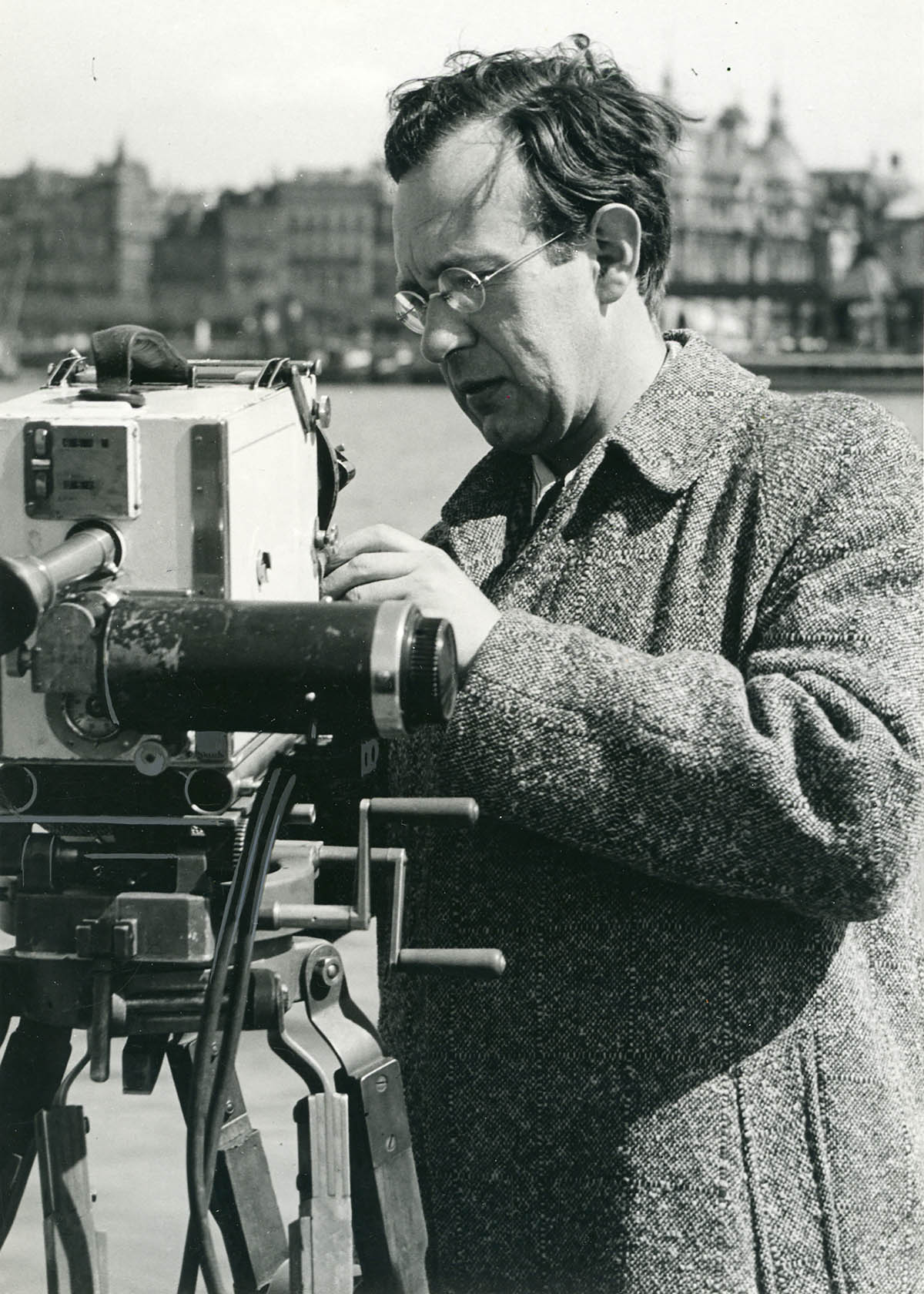
The Alfred Ehrhardt Stiftung preserves one of the best-documented estates of a German cultural filmmaker of the post-war period. The exhibition presents Alfred Ehrhardt as a filmmaker in a new light, with a breadth and depth that has never been seen before. Films like never before!
Catalogue: Accompanying the exhibition is the publication Alfred Ehrhardt—Film (German/English, edited by Christiane Stahl and Stefanie Odenthal for the Alfred Ehrhardt Stiftung, with texts by Thomas Tode, 288 pages, Dölling und Galitz Verlag, Hamburg 2026).
Accompanying events:
Thursday, June 11, 2026, 7 pm: »Portugal 1951: A country between modernization and tradition« film and slide presentation by Dr. Christian von Oppen, architect and urban researcher
Thursday, June 18, 2026, 7 pm: Guided tour of the exhibition with film scholar Thomas Tode and Dr. Christiane Stahl, director of the Alfred Ehrhardt Foundation
Sunday, July 5, 2026, 4 pm: Guided tour of the exhibition with film scholar Thomas Tode and Dr. Christiane Stahl, director of the Alfred Ehrhardt Foundation, followed by a closing reception
Exhibition: Films Like Never Before. Alfred Ehrhardt – Bauhaus Artist and Filmmaker. Curated by Stefanie Odenthal, Christiane Stahl & Thomas Tode
Exhibition duration: April 18 to July 5, 2026
Opening hours: Tuesday–Sunday, 11 am–6 pm
Address and contact:
Alfred Ehrhardt Stiftung
Auguststr. 75, 10117 Berlin, Germany
www.aestiftung.de
The ALFRED EHRHARDT STIFTUNG is committed to promoting the study of the work of Alfred Ehrhardt, a photographer, documentary filmmaker and outstanding representative of the New Objectivity movement. The foundation was established in November 2002 by the artist’s son, the Munich investment manager Dr. Jens Ehrhardt, in order to preserve his father’s artistic legacy and estate—which includes drawings, graphic works, photographs, negatives, films and papers—and make it available to a wide public. In addition, the foundation focuses on historical photographers from Alfred Ehrhardt’s milieu, and in particular on contemporary photography and media art. Exhibitions have a special dialogical approach, which provides an encounter between Alfred Ehrhardt’s photographic and film-based art and contemporary positions addressing themes intrinsic to his work—»nature« and the »construct of the natural.« This dialogue is then continued in the form of events and discussions and is recapitulated in accompanying publications.