Getting to know a new city and part of its art scene through a residency must be one of the most meaningful experiences for anyone working in curating and cultural production. During residencies, time is inhabited differently. The outcome is not what matters, but rather the process of experimenting and producing new relationships; of trying out other ways of creating and thinking; of feeling one’s way along different paths and playing with the possibility of getting things wrong. What kinds of connections emerge during a time that is both so ephemeral and so intense? Are residencies merely spaces for creation, or are they also places of learning, care, dialogue, and even conflict?
During the month of June 2026, at eindorf—an experimental space dedicated to performance, performative processes, and the performing arts in Vienna—we had the opportunity to work together as a group of Latin American artists living between Vienna and Spain: Guadalupe Aldrete, Daniel H. Pineda, Teresa Margolles, Cuaco Navarro, Blu Pedra, Mario Wandu, and myself, Mayté Valencia, in the role of curator. Conceived as a laboratory, the project began online in February through a series of regular meetings in which we introduced several artistic provocations. In these early sessions, the artists were invited to step outside their usual creative processes, to experiment with other materials and languages, to play with methodologies of error and chance, and to engage in automatic writing exercises. They were closer to the affective than to the rational. These strategies—which worked in some cases and not in others, as happens in any process of experimentation—encouraged the emergence of other codes, through which memories, dreams, the fissures of ancestral and familial memory, performative ritual, energy, and displacement began to surface.
The challenge, of course, was trying to sustain the flow of ideas through virtuality. After all, what makes residencies valuable is coming into contact with others: inhabiting time through leisure, sharing a space, cooking together, and talking endlessly about art but also about life. Walking through a new city—some of us coming from Spain had never been to Vienna—attending openings and museums, making studio visits, drinking beers along the Danube, or getting lost among the city’s long streets, its parks, and majestic palaces. For a few weeks, the laboratory moved beyond its virtual beginnings and into physical space. From there, we were able to complete the production of the works, review questions of production and installation, define the framework for the public talk, and attend to all the details necessary for the opening of the exhibition. This took place on June 1. 24.
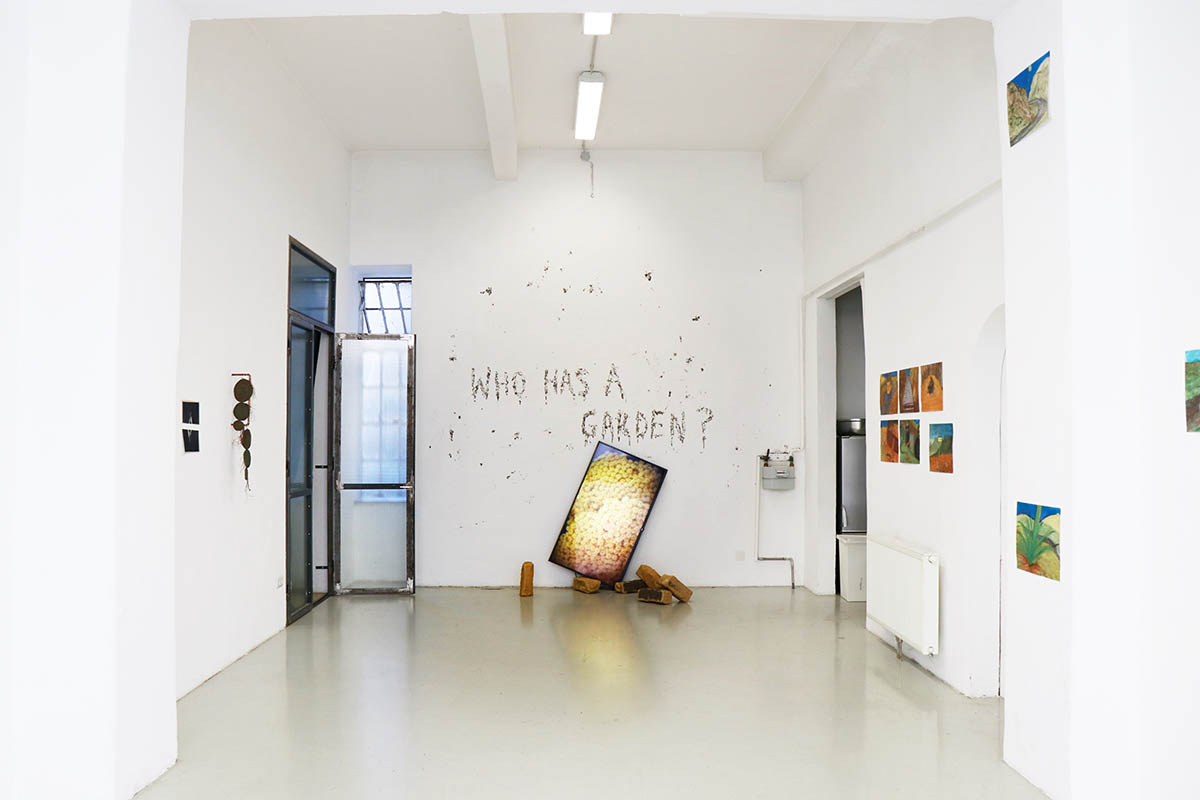
LAVA was an exhibition, but it was also a residency and a laboratory. A project initiated by Ancestral Synonyms, Save The Artist, and eindorf, it was curated by Mario Wandu and me. Through multimedia installations, painting, video, and sculpture, the exhibition invited us to experiment with ways of inhabiting memory as an accumulation of layers, erasures, and projections, in which identity appears mediated by other bodies, other landscapes, and other spatiotemporalities.
A seed germinates. Textiles preserve the sweat of a body. The image cracks open, and, like a specter, an ancestral deity appears: a home that never existed, an absent body. When lava touches water, obsidian emerges. Matter transforms, boils, erodes: it becomes an analog film, a series of paintings interwoven with dreams, memories, and photographic archives, and an artificial garden reflecting on weeds and the so-called “bad plants.” In the darkness, the body of the viewer is also a fissure through which light enters and leaves, an uncertain past that begins to heal once pain has been traversed.
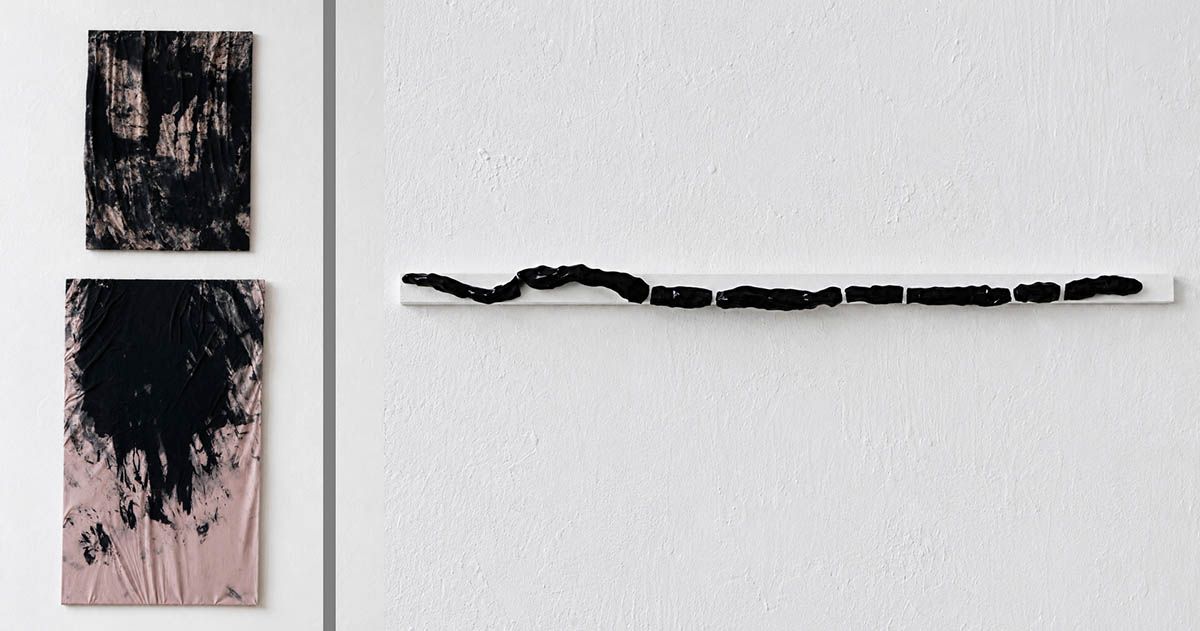
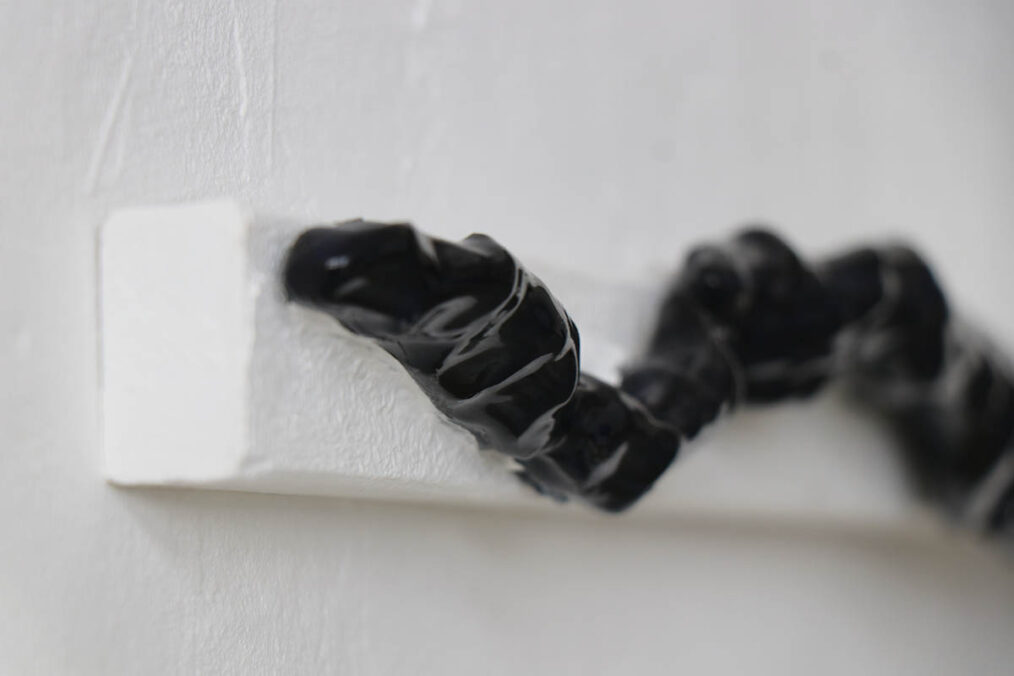
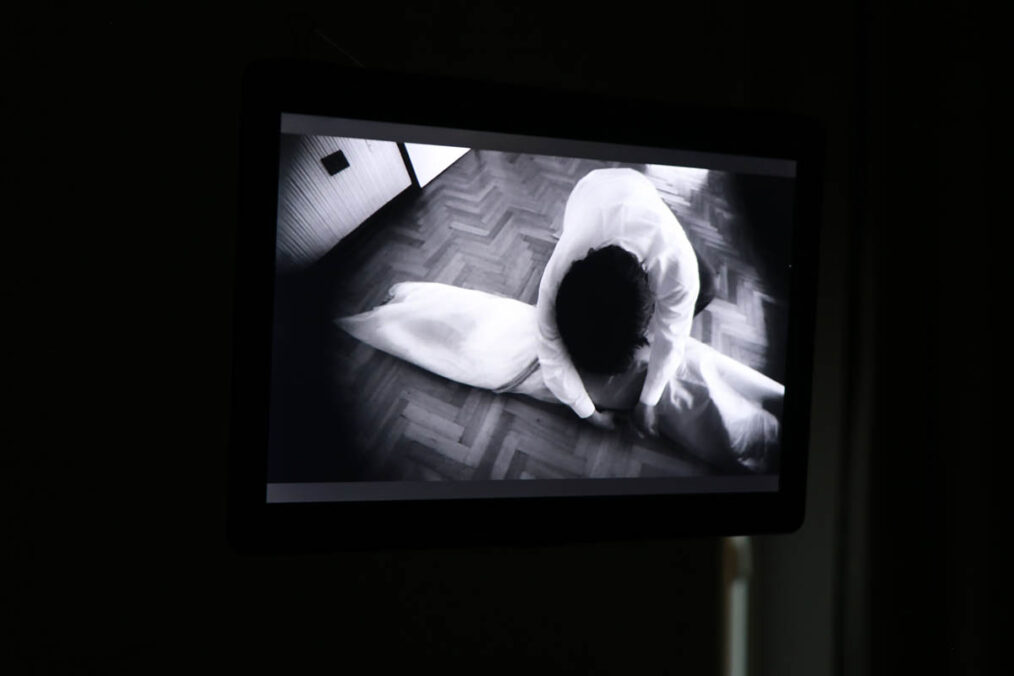
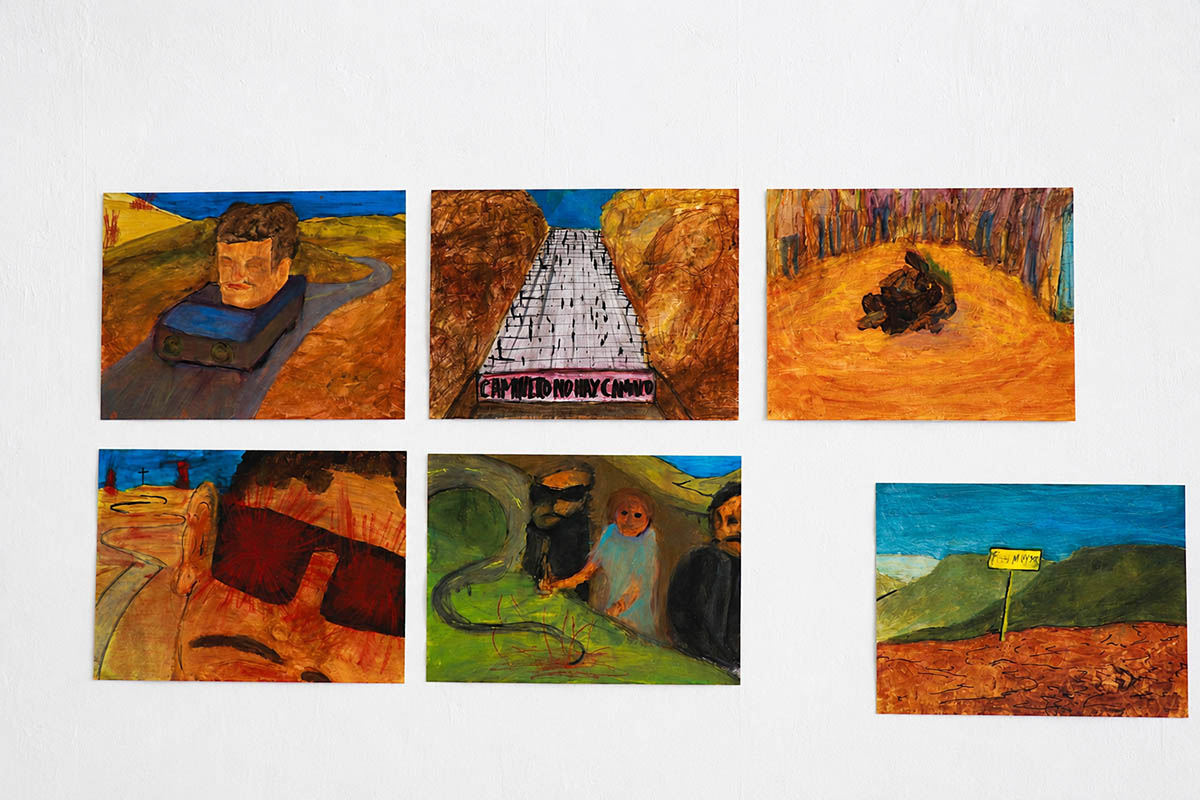
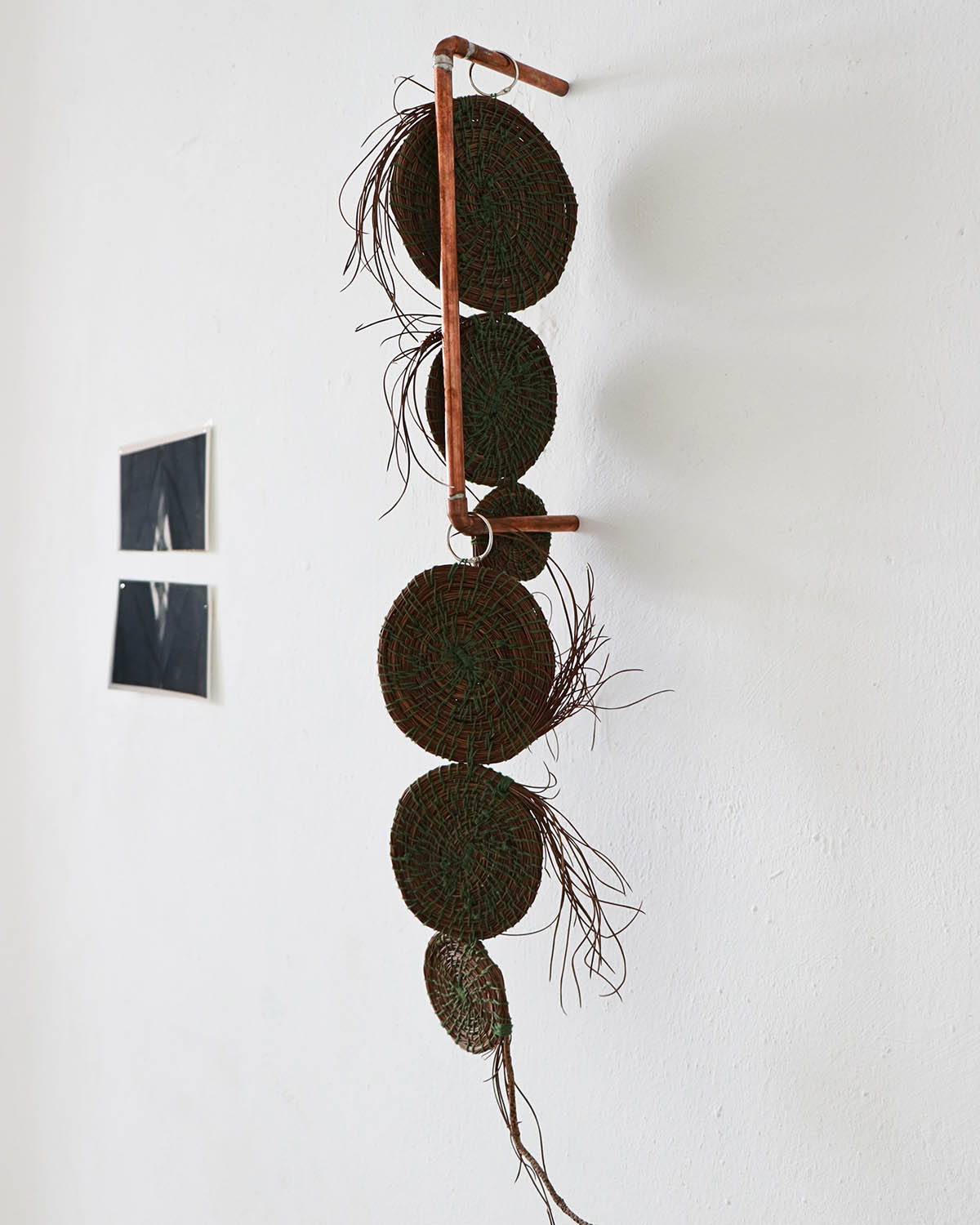
Teresa Margolles presented La Réplica, an experimental film made with a Super 8 camera in which the Mexican artist records a replica of Coatlicue, the ancient Mexica goddess of life and death, which has given rise to contemporary urban spiritual practices. Cuaco Navarro presented A Garden of One’s Own (2026), an installation reflecting on the garden as a space for the domestication of nature and as a symbol of privilege within the contemporary urban environment. It featured videos recorded in different parks across Vienna and Madrid. Blu Pedra showed part of the installation La especie en duda (2025), which reveals the complexity through which identity-based memories are traversed, their destructuring, and the debinarization of being, from a place of vulnerability, but also of healing. Guadalupe Aldrete presented Inner Archaeology II (2024) and Serpent (2026), continuing her exploration of ancestral memories, historical continuity, and human bonds. Mario Wandu exhibited Untitled (2026), articulating an ambiguous relationship between two apparently opposing forms of cultural construction: clothing and weaving. Finally, Daniel H. Pineda presented Bigotes (2026), a series of paintings that invited us to think about infrastructure beyond the material, as a web of relationships, memories, and lives emerging from a family archive.
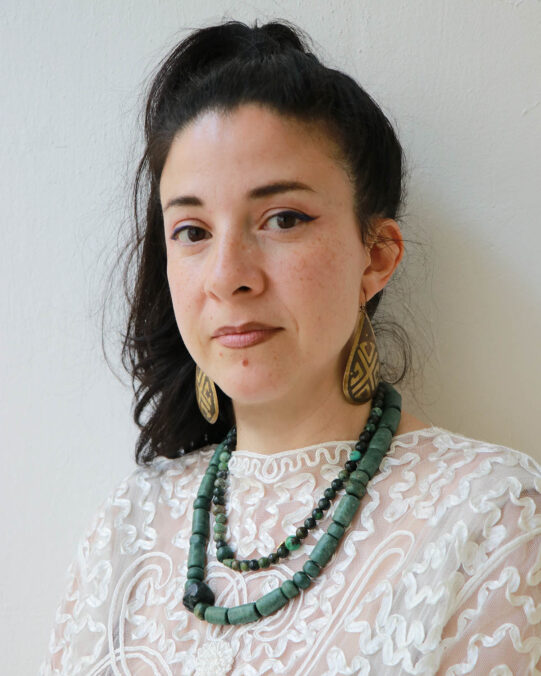
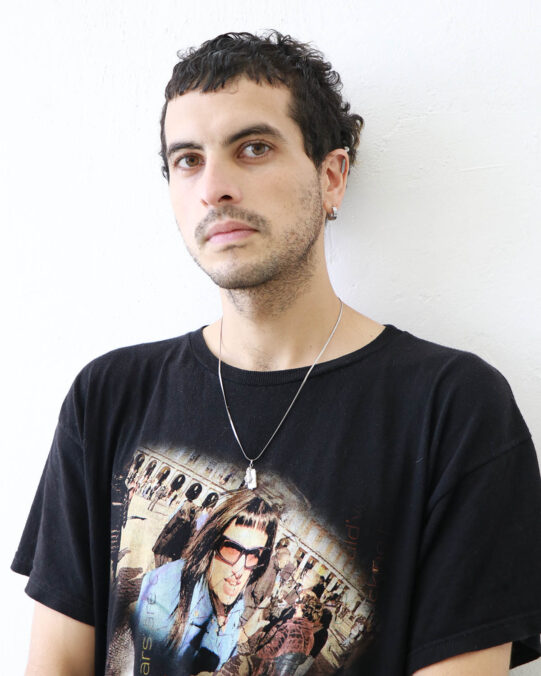
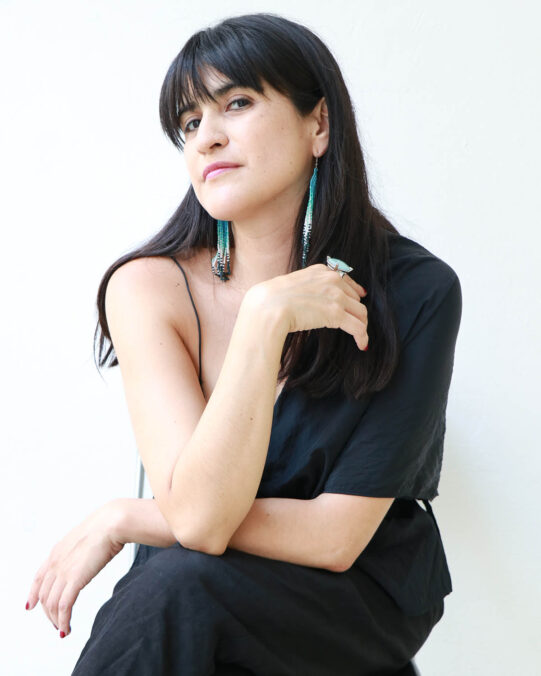
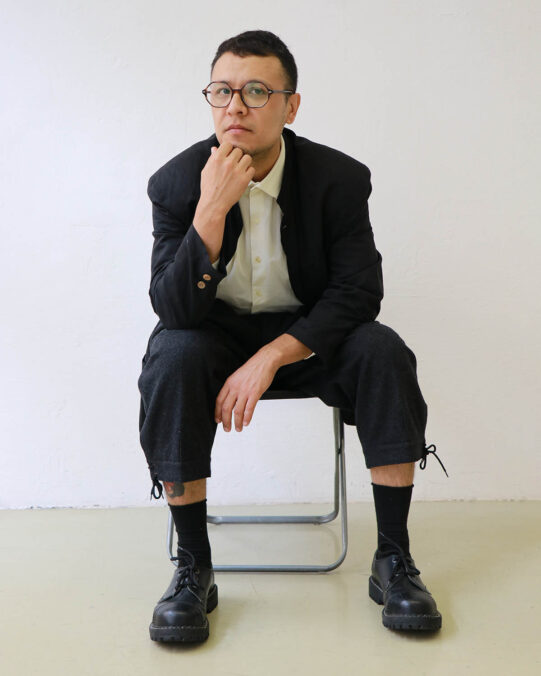
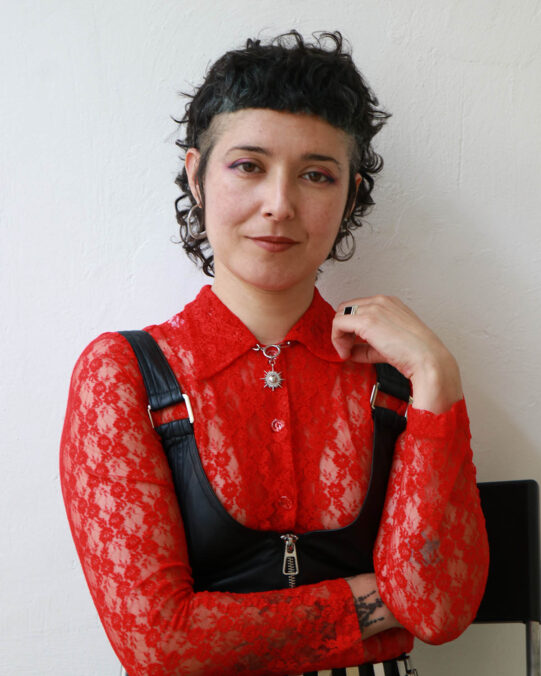
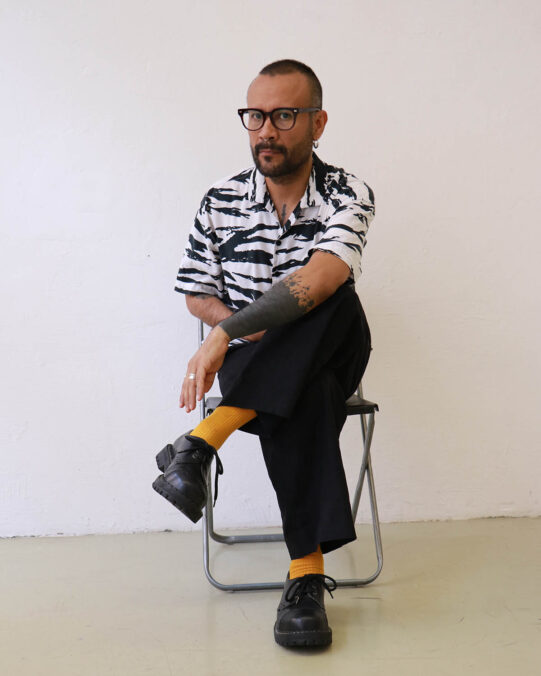
Presented through July 11, LAVA was not only an opportunity to continue exploring artistically, but also a vital one. What kinds of relationships are produced through residencies? Those that stretch out over time, that continue moving beneath the surface, that enfold the memories embodied in a city, an independent space, a street walked countless times, with people you came to know for so long. In such a short amount of time.
Group exhibition: LAVA curated by Mayté Valencia and Mario Wandu
Exhibition Duration: June 24. — July 11. 2026
Participating artists: Guadalupe Aldrete, Daniel H. Pineda, Teresa Margolles, Cuaco Navarro, Blu Pedra, and Mario Wandu
Address and contact:
eindorf
Reindorfgasse 8, 1150 Vienna
www.eindorf.at
Mayté Valencia (Mexico City) is a cultural producer with a strong track record in programming, writing, and communications across contemporary art, performance, and interdisciplinary practices. She has collaborated with leading institutions in Mexico and Spain, including TBA21–Thyssen-Bornemisza Art Contemporary, Casa del Lago UNAM, Museo Nacional de Arte, Museo Universitario del Chopo, and the Centro Cultural de España en México. Her critical work has been published in international magazines such as Artishock and Arteinformado. She is currently pursuing a Master’s in Art History and Visual Culture at Museo Reina Sofía and Universidad Autónoma de Madrid, supported by a Fundación Jumex Arte Contemporáneo grant.